Information
Landmark: New Orleans City ParkCity: New Orleans
Country: USA Louisiana
Continent: North America
New Orleans City Park, New Orleans, USA Louisiana, North America
City Park in New Orleans is one of the largest and most historically significant urban parks in the United States, spanning over 1,300 acres in the Mid-City and Lakeview neighborhoods. Established in 1854 as “New Orleans City Park,” it was designed to provide a vast public green space for recreation, cultural events, and community gatherings, combining natural landscapes with thoughtfully planned attractions. The park’s size, diversity of features, and century-and-a-half history make it a central recreational and cultural resource for the city.
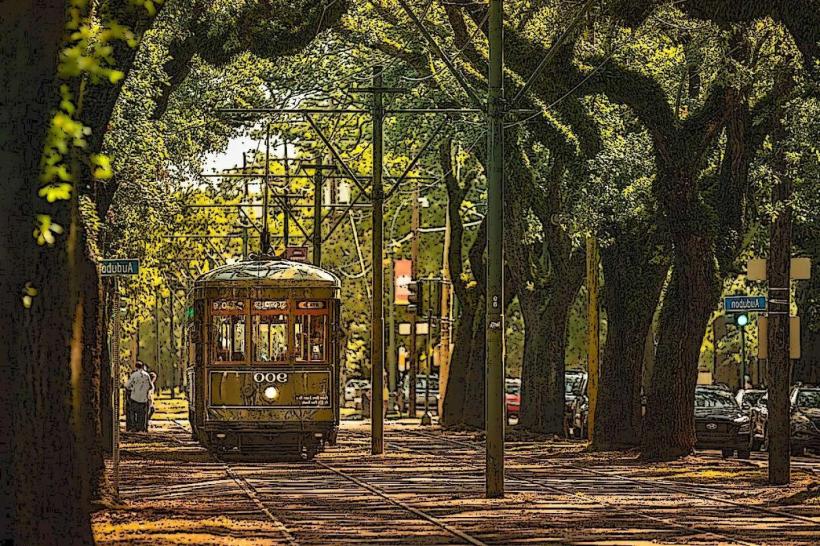
Layout and Natural Features: City Park is characterized by its expansive oak-lined avenues, walking paths, lagoons, and gardens. One of its most iconic features is the ancient oaks and live oak alleys, some of which are over 400 years old, creating a canopy that gives the park a serene and timeless quality. Lakes, ponds, and bayous are scattered throughout, supporting wildlife and providing scenic settings for boating, birdwatching, and relaxation. The park’s layout blends formal landscapes, such as the Botanical Garden and sculpture installations, with naturalistic woodland areas, offering a balance of cultivated beauty and wild charm.
Major Attractions and Cultural Institutions:
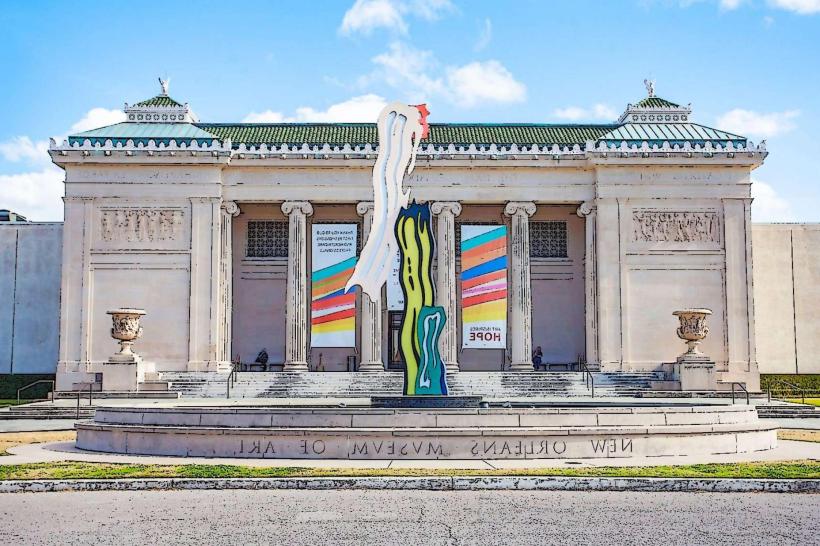
New Orleans Museum of Art (NOMA): Located within City Park, NOMA houses a significant collection of fine art, including American, European, African, and contemporary works, as well as the Besthoff Sculpture Garden featuring over 90 outdoor sculptures in a lakeside setting.
Botanical Garden: The park’s botanical garden includes themed plant collections, tropical and native species, and seasonal floral displays. Educational programs and horticultural events are offered to engage visitors of all ages.
Storyland: A whimsical children’s area featuring larger-than-life sculptures and storybook characters, designed to encourage imagination and interactive play.
Amusement Facilities: City Park features a historic carousel, playgrounds, golf courses, tennis courts, and walking and jogging paths, making it a hub for physical activity and family recreation.
Events and Community Life: City Park is a venue for cultural festivals, outdoor concerts, art fairs, and seasonal events such as Celebration in the Oaks, a renowned holiday light display. Its open spaces are used for community sports, running events, picnics, and casual gatherings, reinforcing its role as both a cultural and social hub.
Conservation and Sustainability: The park maintains a strong emphasis on environmental stewardship, managing wetlands, lagoons, and wooded areas to support urban biodiversity. Programs focus on tree preservation, habitat restoration, and educational outreach to promote ecological awareness among visitors.
Visitor Experience: City Park provides a blend of relaxation, recreation, and cultural enrichment. Visitors can stroll along shaded paths, enjoy a picnic under towering oaks, explore art and botanical exhibits, or participate in recreational activities. Its combination of natural beauty, artistic and cultural offerings, and recreational amenities makes it accessible to a wide range of visitors, from tourists to local families.
City Park exemplifies the integration of urban green space with cultural, educational, and recreational functions. Its historical significance, natural landscapes, and array of attractions make it a cornerstone of New Orleans’ public life, offering a sanctuary for relaxation, learning, and community engagement within a bustling city environment.