Information
City: New OrleansCountry: USA Louisiana
Continent: North America
New Orleans, USA Louisiana, North America
New Orleans is a city of vibrant culture, deep history, and unique geography, situated in southeastern Louisiana near the mouth of the Mississippi River. It is known for its rich blend of French, Spanish, African, and Creole influences, which are reflected in its architecture, cuisine, music, and festivals. The city’s layout is defined by its proximity to the Mississippi River and Lake Pontchartrain, with neighborhoods often organized around historic districts, waterways, and levee systems designed to protect against flooding.
History:
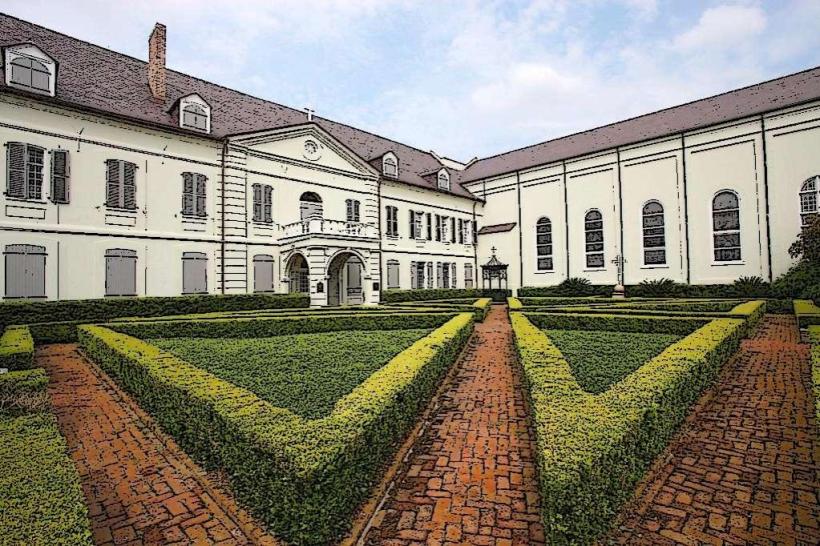
Founded in 1718 by the French Mississippi Company, New Orleans grew as a major port city due to its strategic location along the Mississippi River. The city transitioned from French to Spanish control in 1763, then back to France briefly before being sold to the United States in the Louisiana Purchase of 1803. Its history includes a legacy of slavery, French and Spanish colonial rule, and a mix of cultures that shaped its Creole and Cajun identities. The city also has a notable place in the history of jazz music, being recognized as its birthplace in the early 20th century.
City Layout:
New Orleans is organized around several key areas:
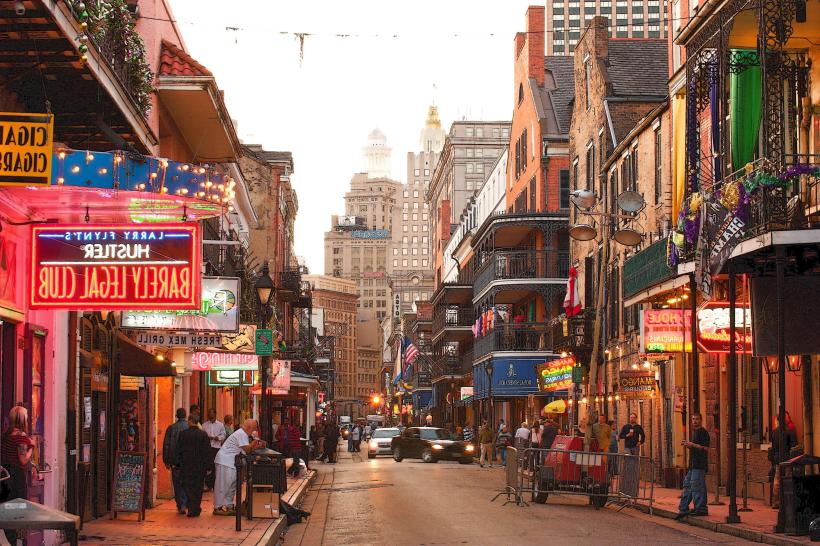
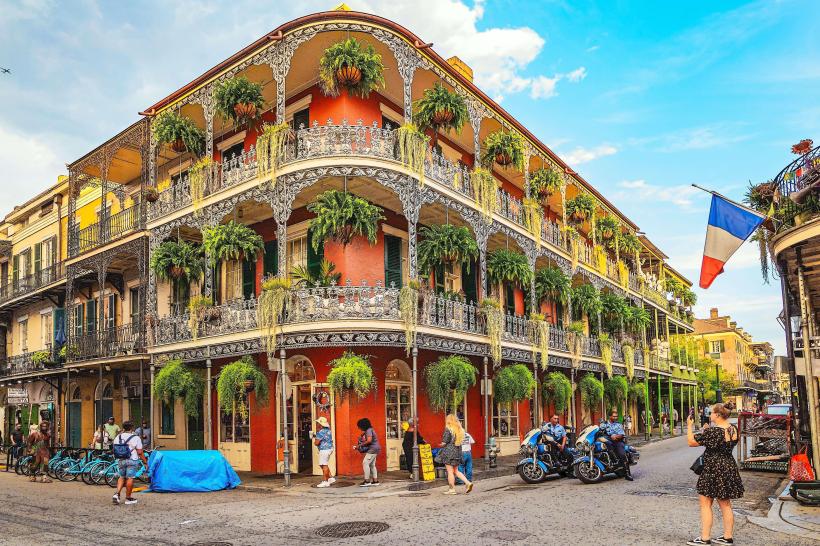
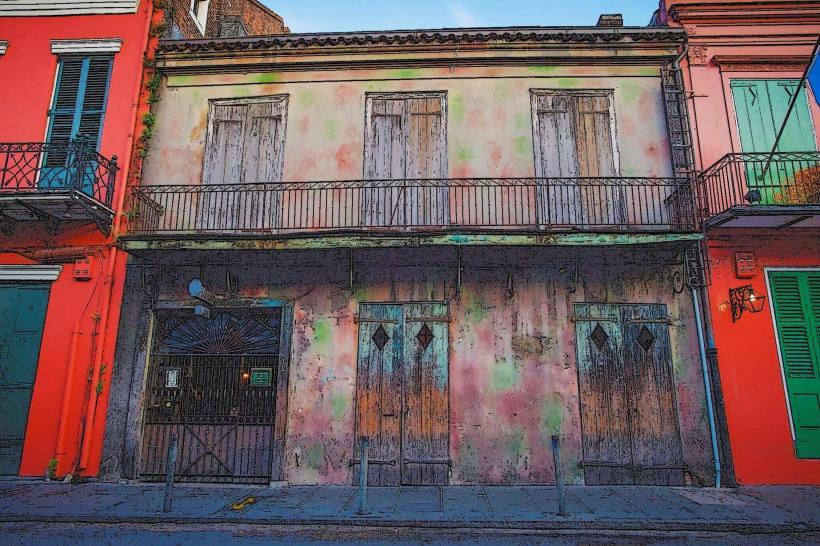
French Quarter: The oldest neighborhood, famous for Bourbon Street, historic architecture, and vibrant nightlife.
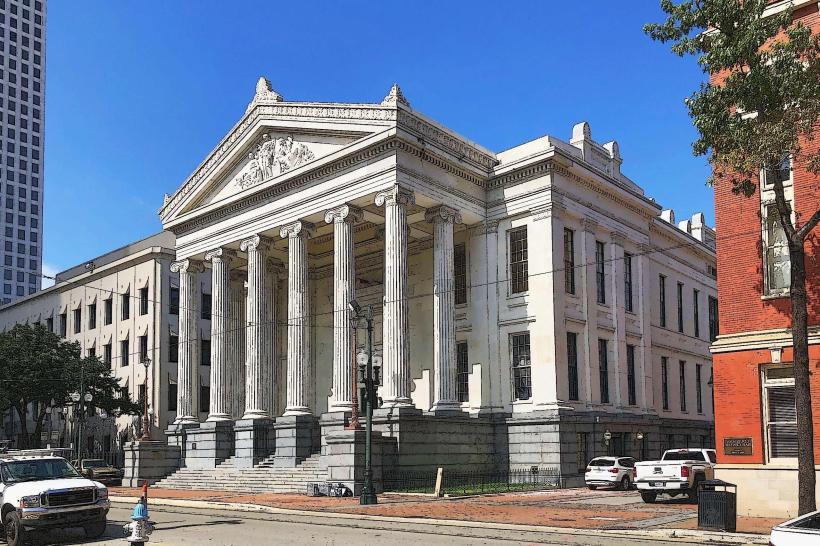
Central Business District (CBD): Modern commercial hub with high-rises and proximity to the French Quarter.
Garden District: Known for antebellum mansions, oak-lined streets, and historic charm.
Treme: One of the oldest African American neighborhoods in the U.S., rich in musical heritage.
Uptown and Mid-City: Residential areas with historic homes, parks, and cultural institutions.
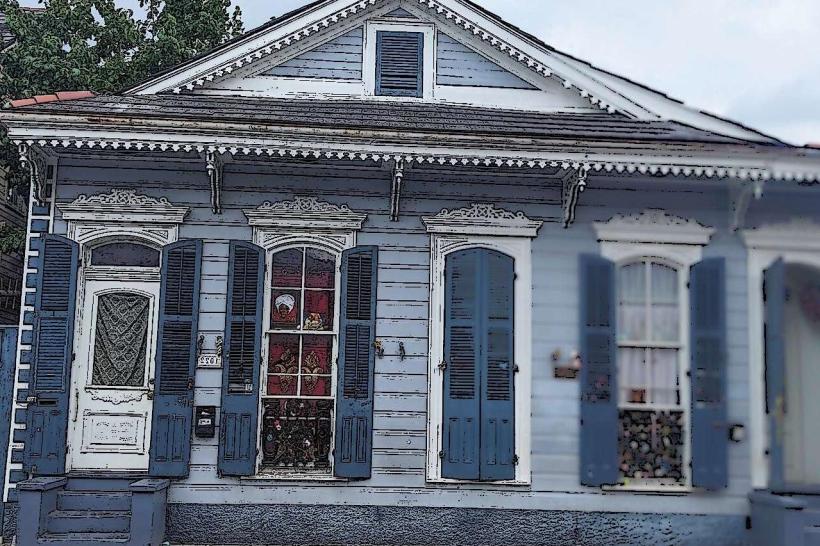
Bywater and Marigny: Artsy districts with colorful houses, murals, and music venues.
Highlights and Attractions:
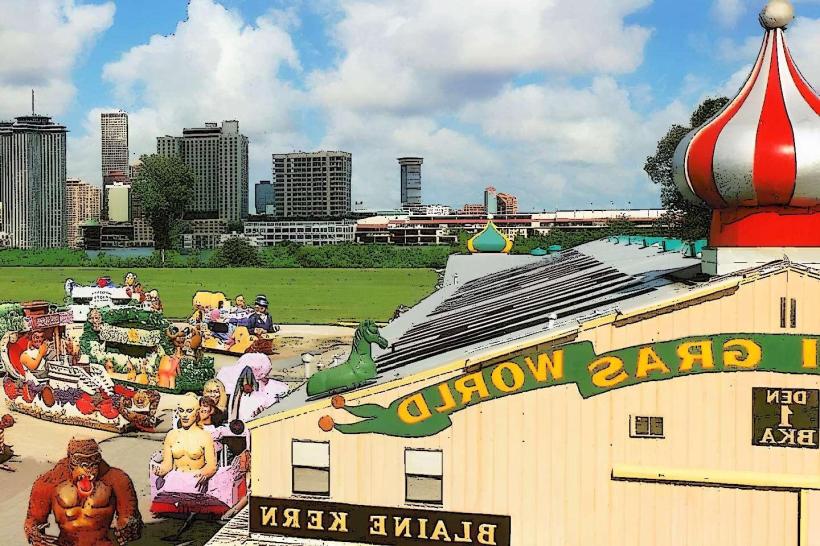
Mardi Gras: Annual festival with parades, music, and elaborate masks and costumes.
Frenchmen Street: Renowned for live music, especially jazz and blues.
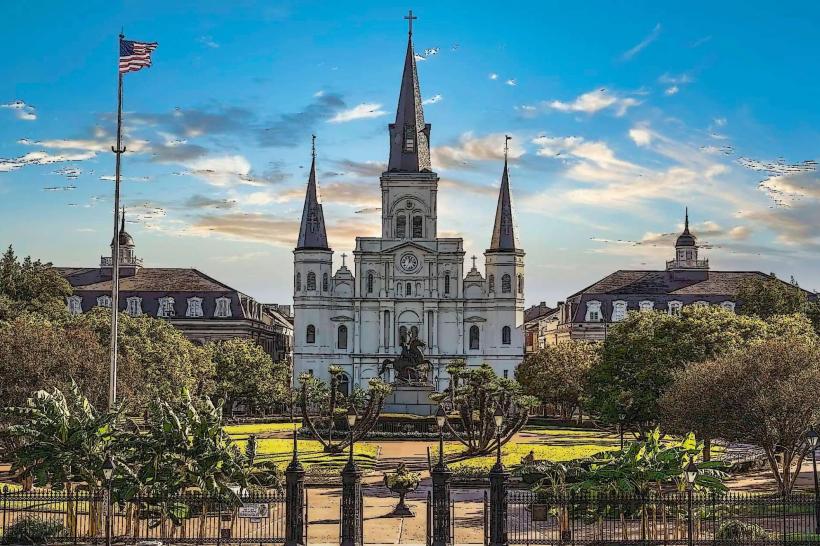
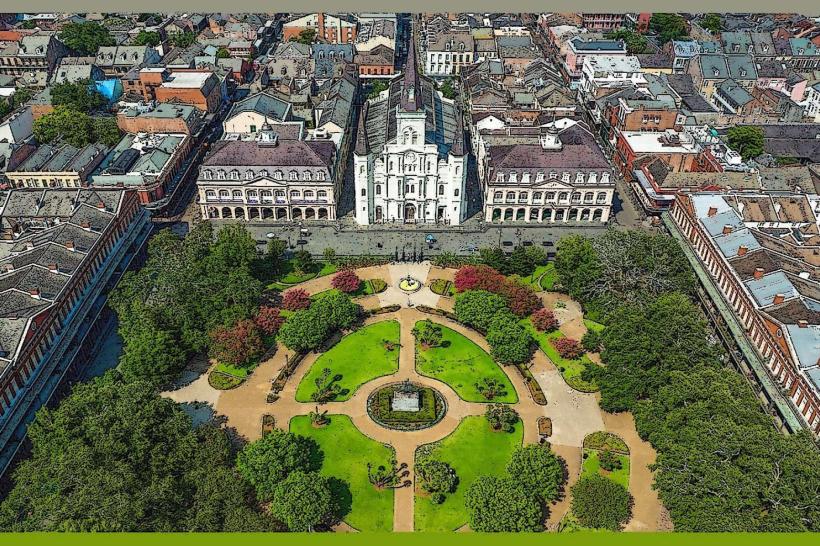
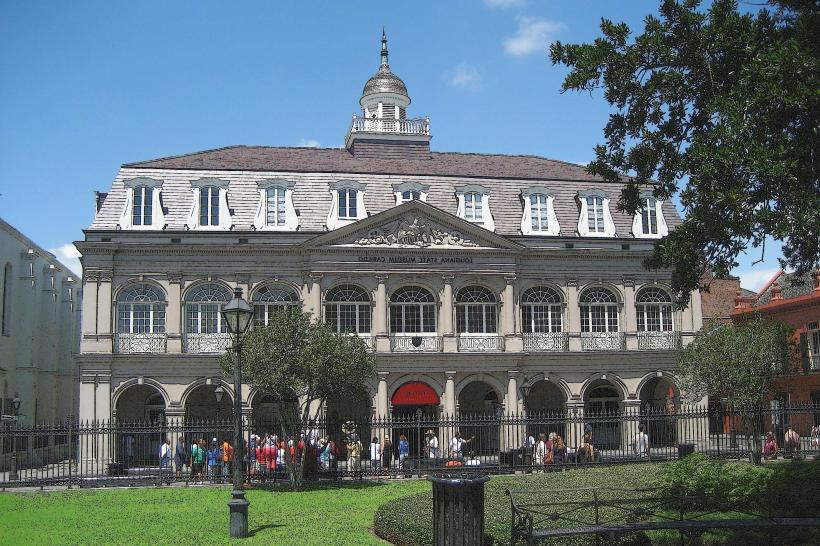
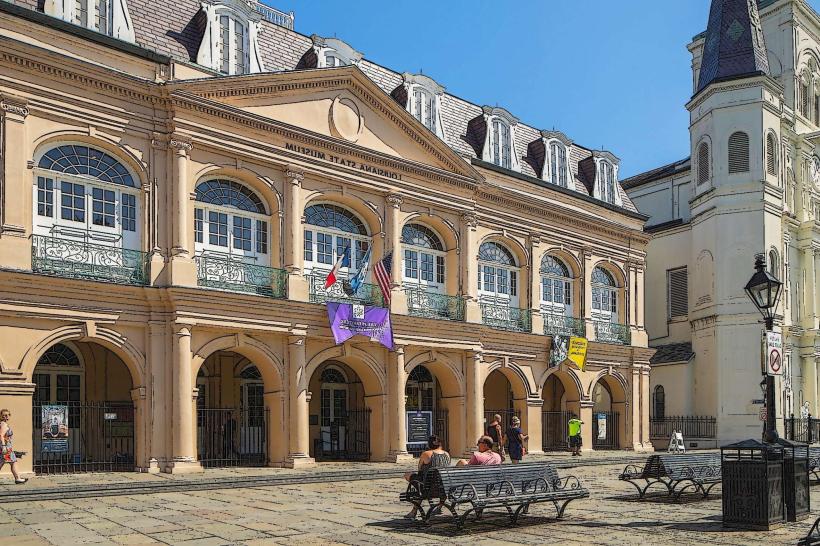
Jackson Square: Historic park in the French Quarter, surrounded by landmark buildings and artists’ stalls.
St. Louis Cathedral: Iconic landmark and one of the oldest cathedrals in the U.S.
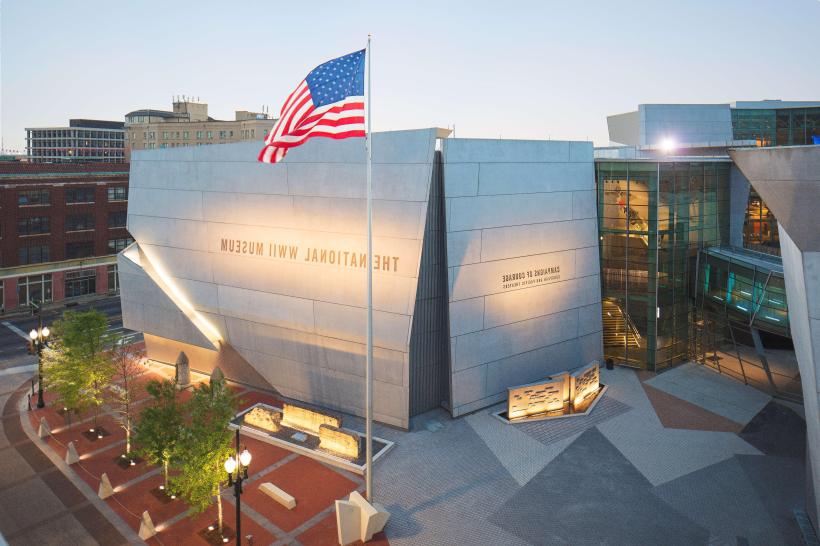
National WWII Museum: Extensive exhibits chronicling World War II history.
Steamboat Natchez: Historic Mississippi River cruises offering scenic views and live jazz.
Culture and Music:
New Orleans is synonymous with jazz, brass bands, and Mardi Gras Indian traditions. Its cultural fabric includes Creole and Cajun influences, celebrated through cuisine like gumbo, jambalaya, po’boys, and beignets. Festivals beyond Mardi Gras, such as the Jazz & Heritage Festival, showcase music, dance, and food traditions.
Sustainability and Environment:
The city faces challenges from hurricanes, flooding, and rising sea levels. Efforts to improve resilience include levee systems, pump stations, wetland restoration projects, and urban green initiatives aimed at reducing environmental impact while preserving historic neighborhoods.
Events:
In addition to Mardi Gras, New Orleans hosts:
Jazz & Heritage Festival: Celebrating local and international music.
Voodoo Music + Arts Experience: Annual music and arts festival.
French Quarter Festival: Showcasing local cuisine and performances.
Essence Festival: Focused on African American culture, music, and empowerment.
Visitor Tips:
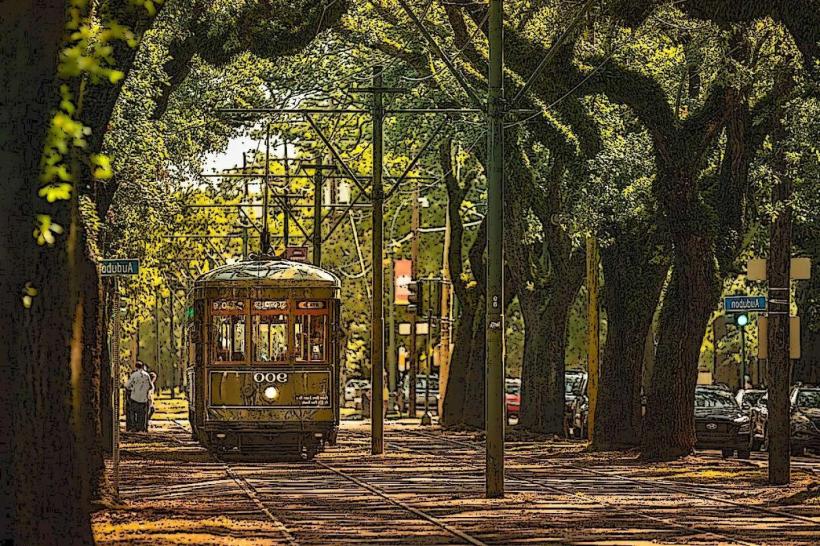
Exploring the city on foot or via streetcar is recommended to experience the historic neighborhoods.
Sampling local cuisine at both street vendors and historic restaurants provides an authentic taste of the city.
Being aware of weather and flood advisories is important, especially during hurricane season.
Visiting museums, historic homes, and cultural centers enriches understanding of the city’s diverse history.
New Orleans is a city where history, music, food, and celebration intertwine, offering a sensory-rich experience unlike any other American city.