Information
Landmark: Lafayette Cemetery No. 1City: New Orleans
Country: USA Louisiana
Continent: North America
Lafayette Cemetery No. 1, New Orleans, USA Louisiana, North America
Lafayette Cemetery No. 1 is one of New Orleans’ most famous historic cemeteries, located in the heart of the Garden District on Washington Avenue. Established in 1833, it is the city’s first planned cemetery for the Lafayette area, created to serve the growing population of American settlers living uptown. The cemetery is notable for its above-ground tombs, historic architecture, and cultural significance, reflecting New Orleans’ distinctive approach to burial practices shaped by geography, climate, and social customs.
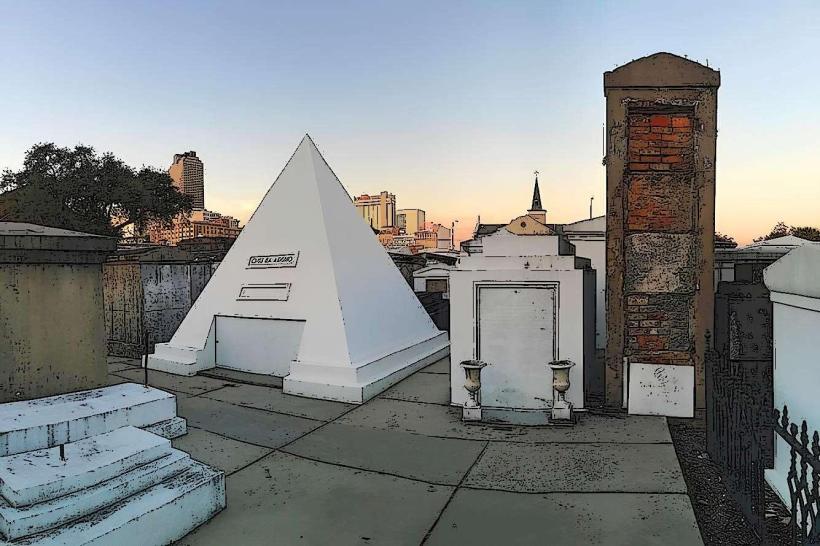
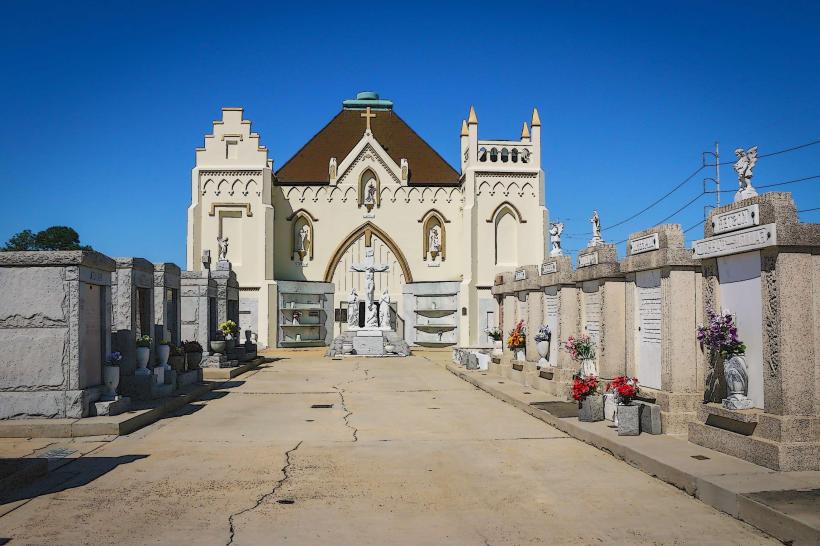
Layout and Design: Lafayette Cemetery No. 1 covers approximately 7 acres and is organized into a series of narrow streets and alleys, creating a grid-like arrangement that allows access to individual tombs. Due to the city’s high water table, most graves are constructed above ground in elaborate vaults or mausoleums, a practice influenced by French and Spanish colonial traditions. Rows of tombs are tightly aligned, often with family vaults stacked vertically, giving the cemetery a unique “city of the dead” appearance. The tombs range from simple brick vaults to elaborate Greek Revival and Gothic-style monuments adorned with ironwork, statues, and inscriptions.
Historical Significance: Lafayette Cemetery No. 1 provides insight into the social, cultural, and religious life of 19th-century New Orleans. It reflects the city’s Catholic heritage, with many tombs bearing religious iconography such as crosses, angels, and saints. The cemetery also highlights the distinction between social classes; wealthy families commissioned large, ornate tombs, while smaller, simpler vaults were used by middle-class residents. Lafayette Cemetery No. 1, along with other historic New Orleans cemeteries, exemplifies the city’s practical and symbolic approach to burial, where above-ground tombs serve as both memorials and enduring architectural statements.
Cultural Context: Beyond its funerary function, Lafayette Cemetery No. 1 has become a cultural and historical landmark. Its layout, tomb architecture, and inscriptions have drawn the attention of historians, architects, and artists alike. The cemetery has been featured in literature, films, and tours, illustrating New Orleans’ fascination with death rituals, family heritage, and historic preservation.
Visitor Experience: Walking through Lafayette Cemetery No. 1 provides a striking visual and contemplative experience. Visitors can observe the intricate designs of tombs, read epitaphs, and learn about the families and historical figures interred there. The cemetery is often included in guided tours of the Garden District, which explain the city’s unique burial practices, architecture, and local history. Seasonal considerations and preservation efforts help maintain access while protecting the historic structures from environmental damage.
Preservation and Significance: Lafayette Cemetery No. 1 is maintained as a historic site, with restoration projects aimed at preserving tombs and maintaining structural integrity. It serves as a tangible link to New Orleans’ 19th-century social and cultural fabric, highlighting the intersection of architecture, tradition, and community identity.
Lafayette Cemetery No. 1 exemplifies the distinctive burial traditions of New Orleans, combining practical design, artistic expression, and historical depth. Its striking tombs, historic significance, and evocative atmosphere make it an essential site for understanding the cultural and architectural heritage of the Garden District and the city as a whole.