Information
Landmark: Glockenspiel TowerCity: New Ulm
Country: USA Minnesota
Continent: North America
Glockenspiel Tower, New Ulm, USA Minnesota, North America
Glockenspiel Tower – New Ulm, Minnesota
Detailed Overview
Introduction
The Glockenspiel Tower in New Ulm, Minnesota, is a landmark that beautifully blends art, music, engineering, and local heritage. Located in Schonlau Park at the intersection of Minnesota Street and 4th North, it is one of very few free-standing glockenspiels in the United States and serves as a signature symbol of the town's strong German roots. New Ulm, often referred to as “the most German town in America,” takes pride in cultural landmarks like this one that connect its residents and visitors to Bavarian traditions.
Design and Construction
Height: The tower stands 45 feet tall.
Structure: Built from brick and concrete with a copper roof and ornamental trim, it features traditional German architectural cues, resembling clock towers commonly found in German towns.
Bells: It houses 37 tuned bronze bells cast in the Netherlands by Royal Eijsbouts. These bells together weigh over two tons and produce harmonious melodies when played.
Clock Faces: Four large clock faces adorn the tower’s upper section, displaying the time on all sides.
The tower was officially dedicated in 1980 and was funded largely by private donations, including a significant contribution from local philanthropist Clara Schonlau, for whom the adjacent park is named. Contributions also came from the city’s sister city in Ulm, Germany.
Animated Figurines
One of the most captivating features of the Glockenspiel Tower is its animated carousel of life-sized figurines, which emerge during scheduled musical performances. These figures rotate on a stage within the tower, illustrating scenes from New Ulm’s heritage and everyday life.
Characters include:
A traditional Bavarian polka band.
A pioneer family representing the early settlers.
A Dakota lacrosse player honoring indigenous heritage.
A German beer drinker and dancers.
A brick mason and a miller, referencing local industry.
During the Christmas season, a nativity scene replaces the polka band and other figurines to reflect the holiday theme.
Musical Performances
The glockenspiel plays recorded or digitally programmed carillon music, accompanied by the movement of the figurines. Performances occur daily, regardless of season:
Standard Times: 12:00 PM, 3:00 PM, and 5:00 PM year-round.
Extended Summer Schedule (April to October): Additional shows at 1:00 PM and 6:00 PM.
The songs are often traditional German melodies, folk tunes, or polka music, with occasional American or classical pieces.
Each performance lasts about 5 to 7 minutes, with music and rotating figurines synchronized. The bell melodies are digitally controlled via an updated system that allows programming of varied playlists throughout the year.
Engineering and Maintenance
Behind its quaint charm lies an intricate mechanical and digital system:
The figurines are mounted on a rotating stage with hidden motors.
The carillon system is controlled by a computerized timer that manages song selection, performance timing, and figurine movement.
It requires regular maintenance due to the moving parts, weather exposure, and synchronization needs.
Local technicians and specialty contractors are called upon for complex repairs and software updates.
Occasionally, parts of the system may require recalibration-such as misaligned clocks or delayed figurine movement-but the city makes efforts to keep it operational year-round.
Visitor Experience
Visitors can enjoy the glockenspiel in a calm, landscaped setting:
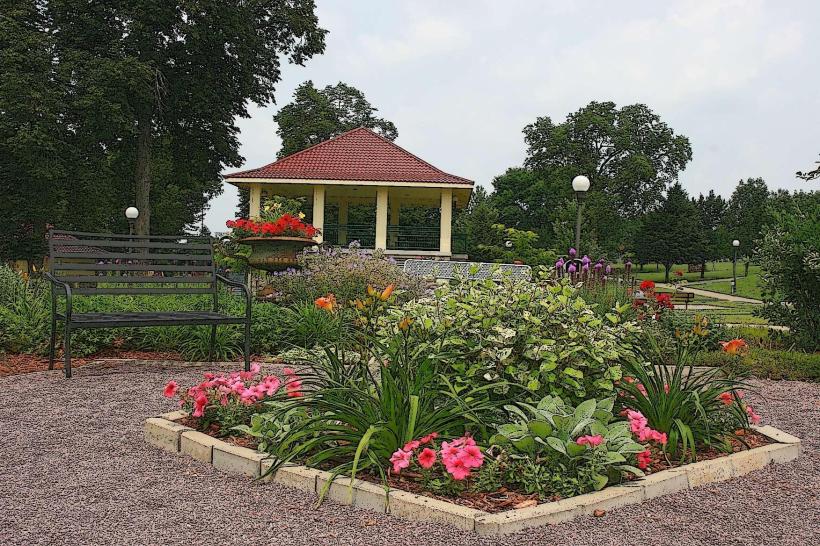
Schonlau Park features flowerbeds, benches, and informational signs that explain the history of each figurine and the overall structure.
The performances attract both tourists and locals, with many visitors timing their visit to see the figures emerge.
The surrounding downtown area offers nearby shops, restaurants, and other cultural attractions, making it an ideal stop on a walking tour of New Ulm.
Families, history buffs, and music lovers alike often describe it as a whimsical and unexpected treasure in southern Minnesota.
Symbolism and Cultural Impact
The Glockenspiel Tower is more than just a musical clock-it is a living tribute to New Ulm’s identity:
It celebrates the area’s German settlers and the community's ongoing commitment to preserving its heritage.
The figurines tell visual stories that connect modern-day New Ulm to its 19th-century roots.
It functions as both a public art installation and a storytelling device, merging entertainment and education.
As such, the Glockenspiel has become a cultural ambassador, often featured in city promotions, postcards, and tourism campaigns.
Quick Facts
Location: 327 N Minnesota St, New Ulm, MN
Height: 45 feet
Bells: 37 bronze bells, total weight ~2 tons
Performances: Daily at noon, 3 PM, 5 PM (plus 1 PM & 6 PM Apr–Oct)
Dedication: May 25, 1980
Park Setting: Schonlau Park – includes benches, gardens, and interpretive signage
Admission: Free to view; open year-round
The Glockenspiel Tower offers a small but powerful glimpse into New Ulm’s character-proud, musical, historic, and joyfully tied to its Old World ancestry. It's a must-see for anyone exploring Minnesota’s unique heritage sites.