Information
Landmark: Greenwich Point ParkCity: Greenwich
Country: USA Connecticut
Continent: North America
Greenwich Point Park, Greenwich, USA Connecticut, North America
Greenwich Point Park, also known as Tod’s Point, is a prominent public coastal park in Greenwich, Connecticut, located at the tip of a long peninsula extending into Long Island Sound. Spanning approximately 147 acres, it combines scenic natural landscapes, recreational facilities, and historical significance, making it one of the area’s most popular outdoor destinations.
Historical Background
The land was originally private estate property, once owned by members of the Tod family in the late 19th and early 20th centuries.
In the mid-20th century, the Town of Greenwich purchased the property, transforming it into a public park to preserve the shoreline and provide recreational access.
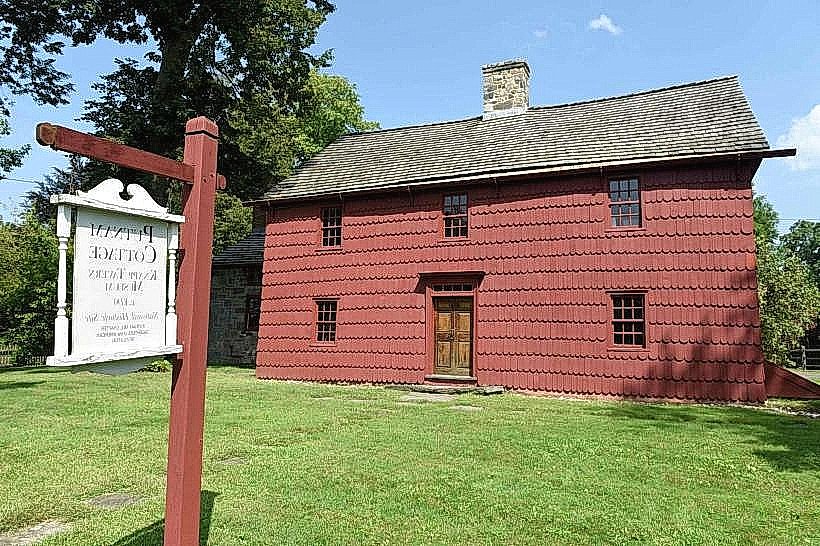
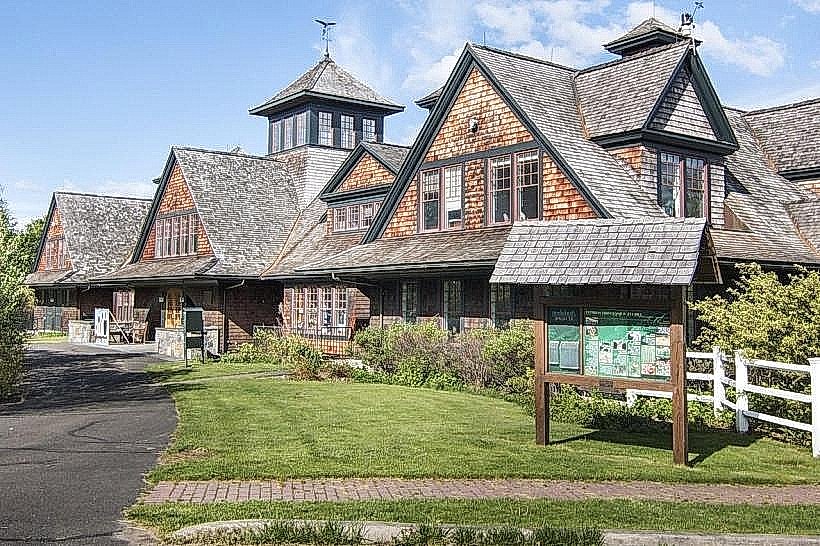
Some historic structures and remnants of the original estate remain, offering glimpses into the area’s past as a private retreat.
Geography and Layout
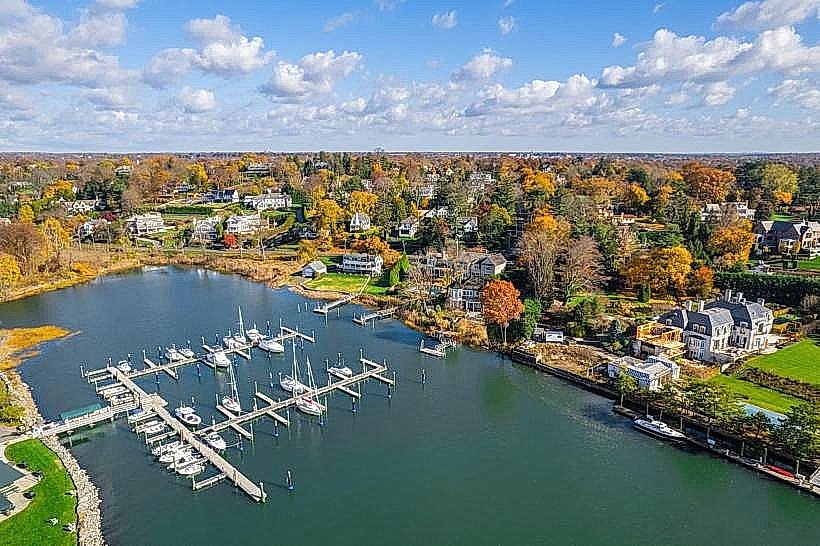
The park occupies a peninsula bordered by Long Island Sound, the Byram River, and marshlands, providing a mix of beaches, woodlands, and saltwater marshes.
Trails wind through forest and meadow areas, connecting beaches, picnic areas, and observation points.
The peninsula’s tip offers panoramic views of Long Island Sound and the New York City skyline on clear days.
Accessible by car, bicycle, or on foot, the park has designated parking lots, ferry docks, and walking paths for easy public use.
Recreational Features
1. Beaches
Greenwich Point Park has several sandy beaches, including West Beach, Tod’s Point Beach, and Byram Shore.
Beaches provide opportunities for swimming, sunbathing, and family-friendly recreation, with lifeguard supervision during the summer season.
2. Trails and Nature Walks
Walking, running, and biking trails traverse forests, meadows, and shoreline areas, offering both exercise and scenic exploration.
Observation platforms and benches allow visitors to enjoy birdwatching, wildlife spotting, and sunset views.
3. Picnic and Gathering Areas
Multiple picnic areas with tables, shelters, and grills accommodate family outings and community gatherings.
Open lawns are available for sports, games, and casual recreation.
4. Fishing and Boating
Saltwater fishing is permitted in designated areas along the Sound.
Small boats and kayaks can launch from certain points along the shore, encouraging recreational boating.
5. Historic and Cultural Points
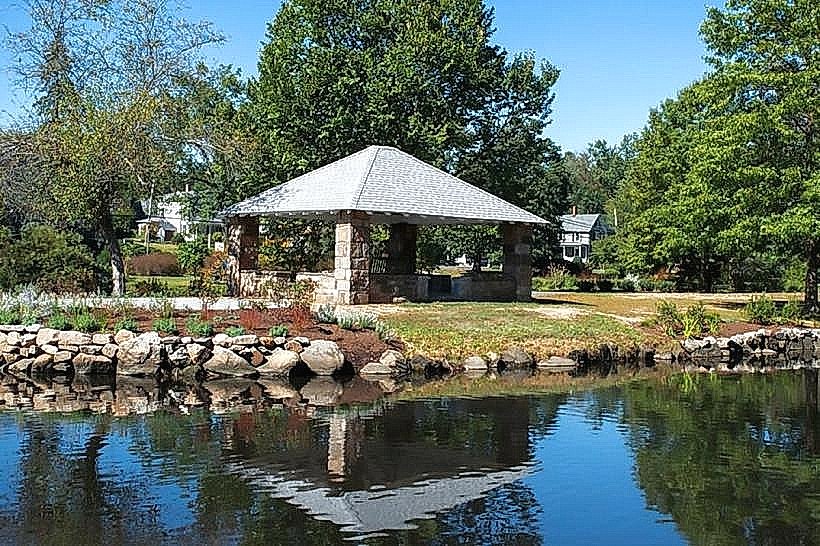
The park includes remnants of original estate features, such as stone walls, pathways, and landscaped areas.
Interpretive signage provides historical context about the Tod family estate and local ecology.
Environmental Significance
Greenwich Point Park encompasses forests, marshes, and coastal ecosystems, supporting diverse wildlife including shorebirds, ducks, and small mammals.
Marshlands act as natural buffers, protecting the shoreline and supporting water quality and habitat diversity.
Conservation efforts focus on protecting dunes, maintaining native plantings, and minimizing human impact on sensitive areas.
Community and Cultural Role
The park serves as a major recreational and cultural hub for Greenwich residents and visitors from surrounding areas.
Seasonal events, guided nature walks, and educational programs connect the community with coastal ecology, local history, and conservation efforts.
Its accessibility and scenic value make it a popular spot for photography, weddings, and social gatherings.
Present-Day Importance
Greenwich Point Park remains one of the largest and most visited public parks in the area, balancing recreational use with environmental stewardship.
It is a symbol of community identity, combining natural beauty, historic legacy, and accessible outdoor recreation.
Its mixture of beaches, trails, and waterfront vistas provides a coastal experience that is both family-friendly and ecologically significant.
Greenwich Point Park stands as a treasured public space, where visitors can enjoy the natural beauty of Long Island Sound, engage in recreational activities, and connect with both the ecological and historical heritage of Greenwich’s waterfront.