Information
Landmark: Bruce MuseumCity: Greenwich
Country: USA Connecticut
Continent: North America
Bruce Museum, Greenwich, USA Connecticut, North America
The Bruce Museum is a prominent cultural and educational institution located in Greenwich, Connecticut, recognized for its art, natural history, and science exhibitions. It serves as a major destination for residents and visitors, combining museum-quality exhibits with educational programs, and reflecting Greenwich’s commitment to cultural enrichment and community engagement.
Historical Background
The museum was founded in 1912, established by Robert Moffat Bruce, a local philanthropist and naturalist who donated his personal collection to the town.
Originally focused on natural history, the museum expanded over the decades to include art and science exhibitions, reflecting evolving cultural and educational priorities.
Significant expansions and renovations in the late 20th and early 21st centuries have modernized facilities while maintaining the museum’s historic charm.
Architecture and Layout
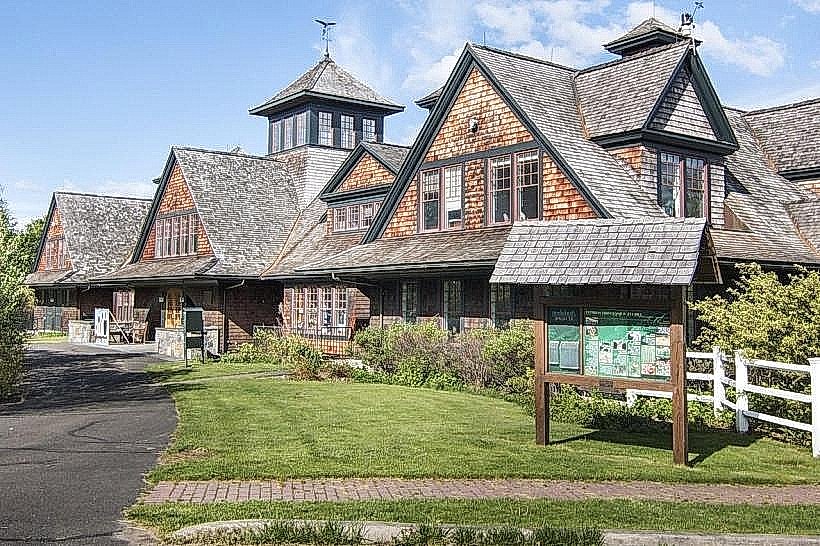
The museum occupies a historic building overlooking Greenwich Harbor, blending traditional and modern architectural elements.
Interior spaces include galleries for permanent and rotating exhibitions, classrooms, and a sculpture garden.
The layout emphasizes flexible gallery spaces, allowing for simultaneous art, science, and natural history displays.
Collections and Exhibits
1. Art
The museum’s art collection spans European, American, and contemporary works, including paintings, sculpture, and decorative arts.
Exhibitions often highlight local artists, historical movements, and thematic displays connecting art with broader cultural and natural contexts.
2. Natural History
The natural history collection includes geological specimens, fossils, and taxidermy displays, providing insight into regional ecology and global biodiversity.
Exhibits explore environmental change, geology, and the natural world, supporting educational initiatives.
3. Science and Education
Rotating science exhibitions cover topics such as astronomy, biology, environmental science, and technology, integrating interactive components.
The museum hosts hands-on learning opportunities, workshops, and educational programs for children, teens, and adults.
4. Outdoor Spaces
A sculpture garden and waterfront terrace offer scenic views and outdoor art experiences.
The surrounding landscape encourages visitors to engage with both natural and artistic environments.
Educational and Community Role
The Bruce Museum functions as a regional cultural center, offering school programs, lectures, workshops, and family activities.
Educational programs emphasize STEM learning, art appreciation, and environmental stewardship, making the museum a multidisciplinary learning hub.
Community events, special exhibitions, and interactive programs foster engagement, lifelong learning, and cultural enrichment.
Present-Day Significance
Today, the Bruce Museum is a leading cultural and educational institution in Greenwich, attracting visitors from across Connecticut and nearby New York.
Its integration of art, science, and natural history provides a unique interdisciplinary experience for audiences of all ages.
The museum continues to honor its founder’s legacy, preserving collections while promoting public education, cultural dialogue, and appreciation for the natural and artistic world.
The Bruce Museum stands as a cornerstone of Greenwich’s cultural landscape, combining historical collections, contemporary exhibits, and interactive educational programs to create a vibrant institution for art, science, and community engagement.