Information
Landmark: Greenwich Avenue Historic DistrictCity: Greenwich
Country: USA Connecticut
Continent: North America
Greenwich Avenue Historic District, Greenwich, USA Connecticut, North America
The Greenwich Avenue Historic District is the central commercial and cultural corridor of Greenwich, Connecticut, renowned for its historic architecture, upscale shopping, dining, and vibrant community atmosphere. The district reflects the evolution of Greenwich from a 19th-century town center into a modern, cosmopolitan hub while preserving its historical character.
Historical Background
Greenwich Avenue has been the main thoroughfare of the town since the 18th century, initially serving as a route for commerce and travel between Long Island Sound and inland areas.
By the late 19th and early 20th centuries, the avenue developed into a central business district, featuring banks, shops, offices, and civic institutions.
Many of the buildings along Greenwich Avenue retain their original façades, illustrating architectural trends from Victorian, Colonial Revival, and early 20th-century commercial styles.
The district has been recognized for its historic significance, blending the town’s commercial, civic, and social history in a walkable streetscape.
Architectural Character
The district is characterized by two- and three-story brick and stone buildings, many with decorative cornices, large display windows, and period detailing.
Prominent architectural styles include:
Victorian commercial buildings with ornate trim and asymmetrical designs.
Colonial Revival façades emphasizing symmetry, columns, and classic detailing.
Early 20th-century neoclassical structures, including banks and municipal buildings.
The avenue’s streetscape preserves the historic scale, pedestrian orientation, and mixed-use character of the district.
Key Features and Attractions
Upscale Shopping and Dining: Greenwich Avenue hosts luxury boutiques, independent shops, and fine dining establishments, creating a sophisticated retail experience.
Civic Buildings: Historic banks, former post offices, and other municipal structures highlight the avenue’s importance as a commercial and governmental hub.
Cultural Venues: Art galleries, performance spaces, and small museums contribute to the district’s cultural vitality.
Historic Streetscape: Cobblestone walkways, period street lamps, and preserved façades reinforce the avenue’s historic charm.
Community and Cultural Role
The avenue is the heart of Greenwich’s social and economic life, attracting residents, visitors, and tourists.
Seasonal events, festivals, and outdoor markets utilize the streetscape, fostering community engagement.
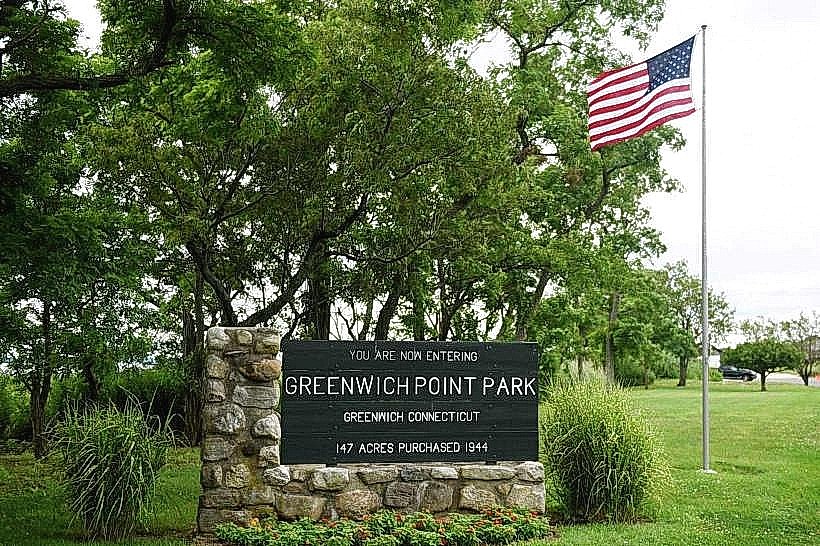
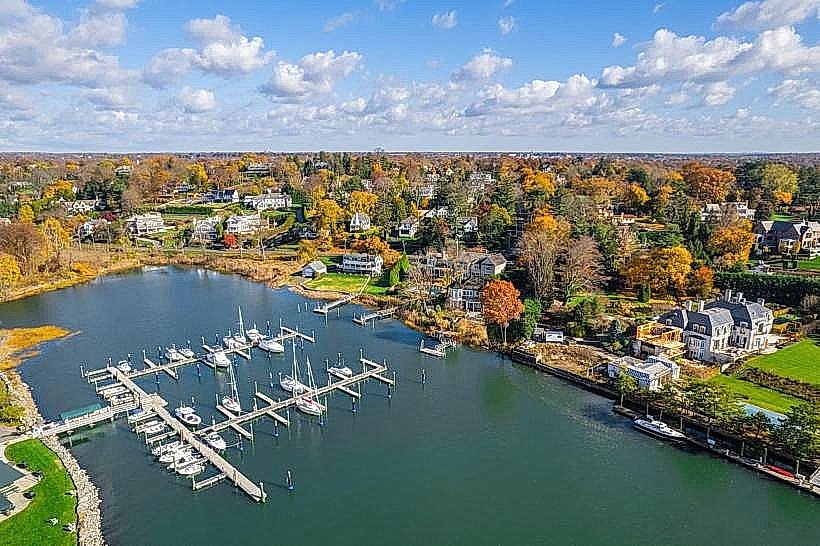
Greenwich Avenue also serves as a link between downtown Greenwich and the waterfront, including Greenwich Point Park and the Byram River area.
Preservation and Significance
The Greenwich Avenue Historic District is recognized on local and state historic registers for its architectural integrity and historical importance.
Adaptive reuse of historic buildings allows modern businesses to coexist with heritage preservation, maintaining both economic vitality and cultural identity.
The district reflects Greenwich’s evolution from a colonial town to a modern suburban and cultural center, highlighting both commercial success and architectural continuity.
Present-Day Importance
Today, the district functions as a major commercial, cultural, and social hub, combining historic character with modern amenities.
Its preserved architecture and pedestrian-friendly streetscape make it a popular destination for shopping, dining, and leisure, while also representing Greenwich’s heritage.
The avenue continues to define the city’s identity as an affluent, vibrant, and culturally rich community, bridging past and present.
The Greenwich Avenue Historic District is a living testament to the city’s commercial and cultural development, where historic architecture, retail sophistication, and community activity converge along one of Connecticut’s most iconic downtown streets.