Information
Landmark: Hoyo SopladorCity: San Andres
Country: Colombia
Continent: South America
Hoyo Soplador, San Andres, Colombia, South America
Hoyo Soplador is a natural blowhole located on the southern tip of San Andres Island, Colombia. It is a geological formation that expels seawater into the air.
Visual Characteristics
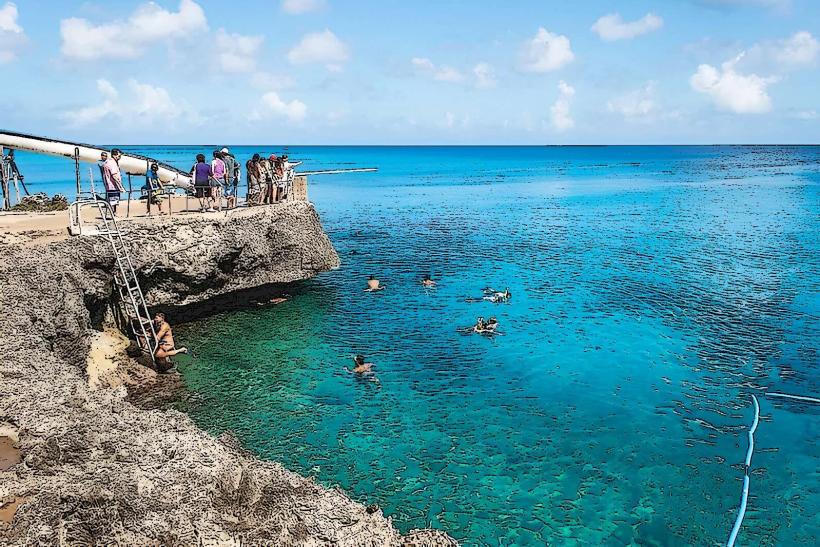
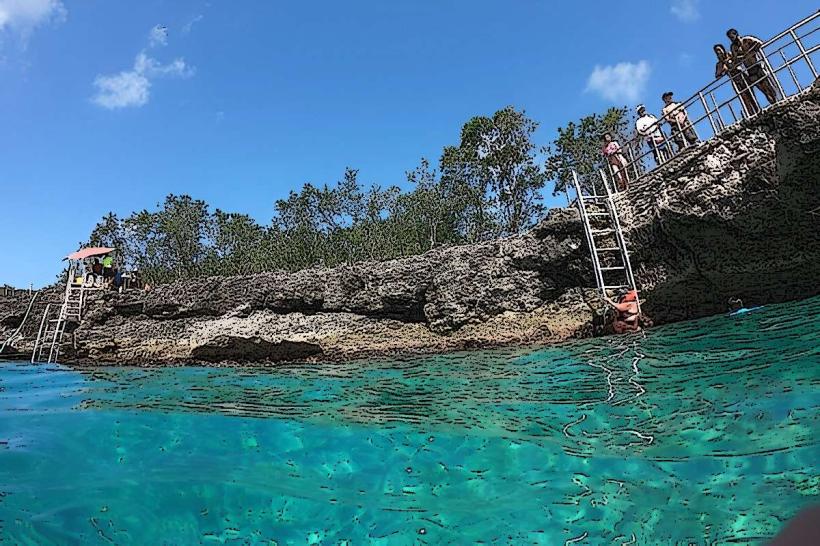
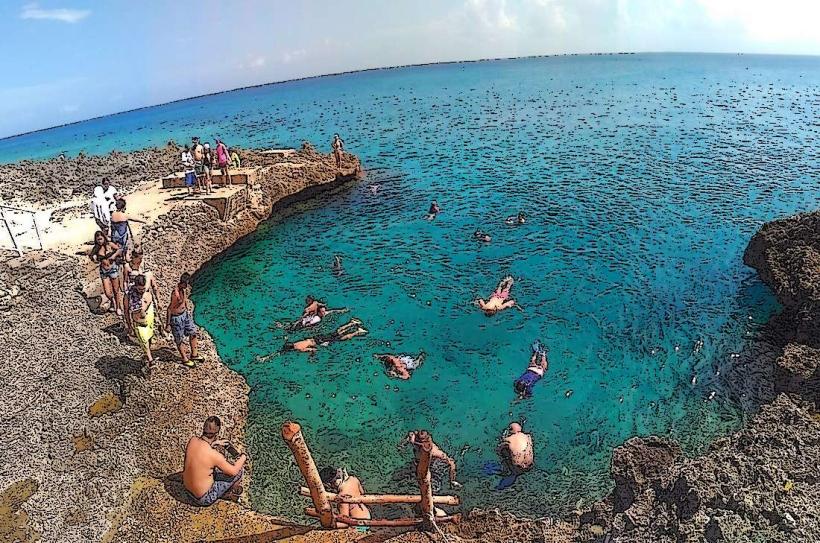
The site consists of a series of porous coral rock formations along the coastline. The blowhole itself is a natural opening in the rock, approximately 1 meter in diameter. When waves approach, water is forced through subterranean channels and expelled upwards through this opening.
Location & Access Logistics
Hoyo Soplador is situated at the southernmost point of San Andres Island. Access is via the Circunvalar Road, which encircles the island. The site is approximately 15 kilometers south of the main city center (El Centro). Parking is available along the roadside adjacent to the attraction. Public transportation is limited; local buses on Route 11 (marked "Sur") pass by the location, with the last bus departing the city center around 18:00.
Historical & Ecological Origin
Hoyo Soplador is a result of natural coastal erosion and the porous nature of the island's coral limestone bedrock. Over millennia, wave action and subterranean water flow have carved out the channels and chambers that create the blowhole effect. It is an example of coastal karst topography.
Key Highlights & Activities
The primary activity is observing the water expulsion from the blowhole, which occurs most forcefully during incoming tides and periods of higher wave activity. Visitors can stand at a safe distance to witness the spray. Photography is a common activity.
Infrastructure & Amenities
Basic amenities include a small paved viewing area. Restrooms are not consistently available at the immediate site. Shade is minimal, provided only by natural rock overhangs. Cell phone signal (4G/5G) is generally available in the area.
Best Time to Visit
The most consistent blowhole activity occurs during high tide. For optimal photography, the late afternoon (approximately 16:00-17:00) offers favorable lighting conditions. The months of December through April generally experience calmer seas, while May through November can have larger swells, potentially increasing blowhole intensity.
Facts & Legends
Local folklore suggests that the blowhole is the breath of a sea creature. Scientifically, the height of the water expulsion is dependent on wave size and direction, and can reach up to 15 meters.
Nearby Landmarks
- Punta Sur Eco Park (0.2km North)
- Cayo Rocoso (1.5km Southeast)
- La Loma (3.0km Northwest)
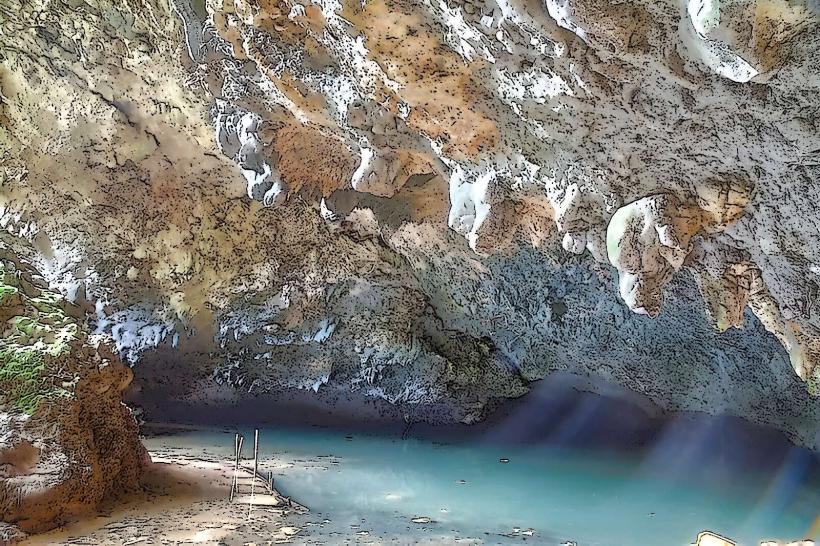
- Morgan's Cave (4.0km North)