Information
Landmark: Intipunku (Sun Gate)City: Machu Picchu
Country: Peru
Continent: South America
Intipunku (Sun Gate), Machu Picchu, Peru, South America
Intipunku, also known as the Sun Gate, is an archaeological site located above the citadel of Machu Picchu in Peru.
It served as the primary entrance to Machu Picchu for those arriving via the Inca Trail.
Visual Characteristics
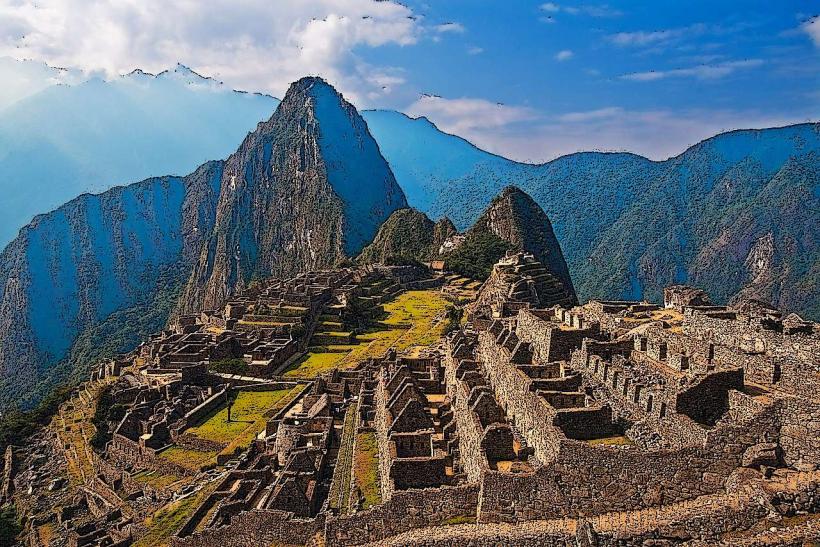
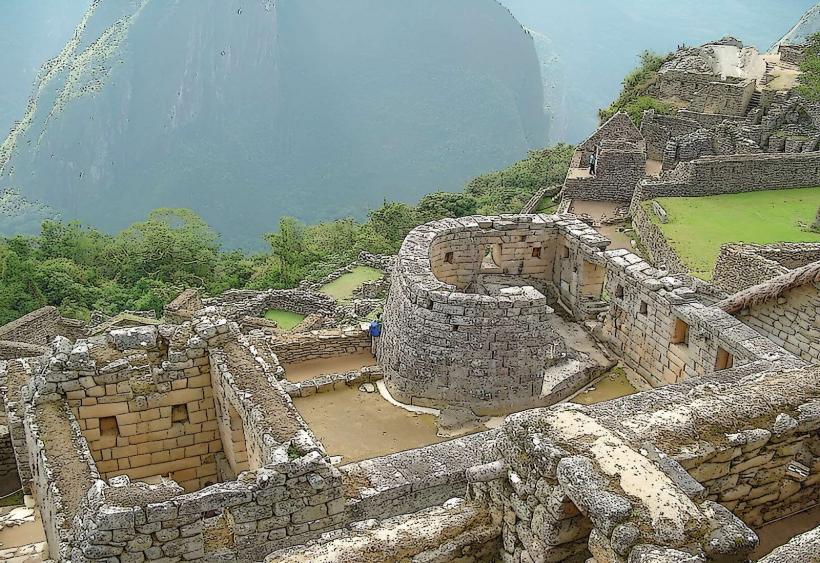
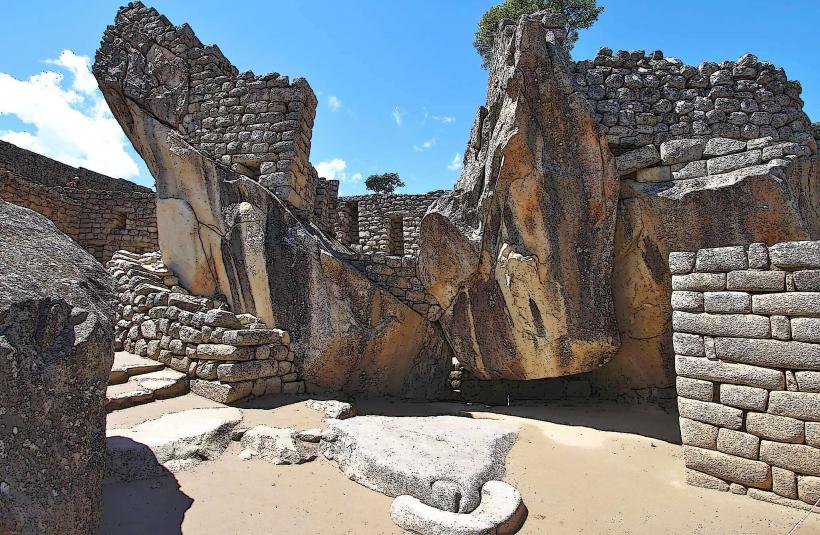
Intipunku is a stone structure composed of precisely cut granite blocks. It features a trapezoidal gateway with a thatched roof, though the original roofing material has long since deteriorated. The structure is integrated into the natural rock formations of the mountainside, offering panoramic views of the surrounding Urubamba River valley and the Andes mountain range.
Location & Access Logistics
Intipunku is situated approximately 5 kilometers (3.1 miles) east of the main Machu Picchu Citadel. Access is primarily achieved by hiking the Inca Trail. The final ascent from the citadel to Intipunku is a moderate hike of about 1.5 hours. There is no direct road access; vehicles can reach the Machu Picchu entrance, from which hikers begin their journey. Public transport to Machu Picchu involves a train from Cusco or Ollantaytambo to Aguas Calientes, followed by a bus to the citadel entrance.
Historical & Ecological Origin
Intipunku was constructed by the Inca Empire in the 15th century. Its exact architect is unknown, but it was designed as a ceremonial gateway and a strategic point for observing the sun's movements, particularly during the solstices. Ecologically, it is situated within the cloud forest ecosystem of the Andes, characterized by high humidity, dense vegetation, and a rich biodiversity.
Key Highlights & Activities
The primary activity at Intipunku is observing the sunrise, especially during the June solstice when the sun aligns with the gateway. Visitors can also appreciate the architectural integration with the natural landscape and the expansive views. Hiking the final section of the Inca Trail to reach Intipunku is a significant experience.
Infrastructure & Amenities
There are no permanent infrastructure or amenities at Intipunku itself. Visitors should carry sufficient water and snacks. Restroom facilities are not available at the site. Cell phone signal is generally unreliable in this remote mountain location.
Best Time to Visit
The best time of day to visit Intipunku for photography is during sunrise, particularly from April to October, which is the dry season in the region. For optimal weather conditions and clear views, the months of May through September are recommended. High tide is not a relevant factor for this mountain site.
Facts & Legends
Intipunku's name translates to "Sun Gate" in Quechua. It is believed that the Inca used this gate as a point of control and observation, allowing only authorized individuals to enter the sacred citadel. A specific tip for visitors is to arrive before dawn to witness the sun's rays illuminate the gateway and the surrounding peaks.
Nearby Landmarks
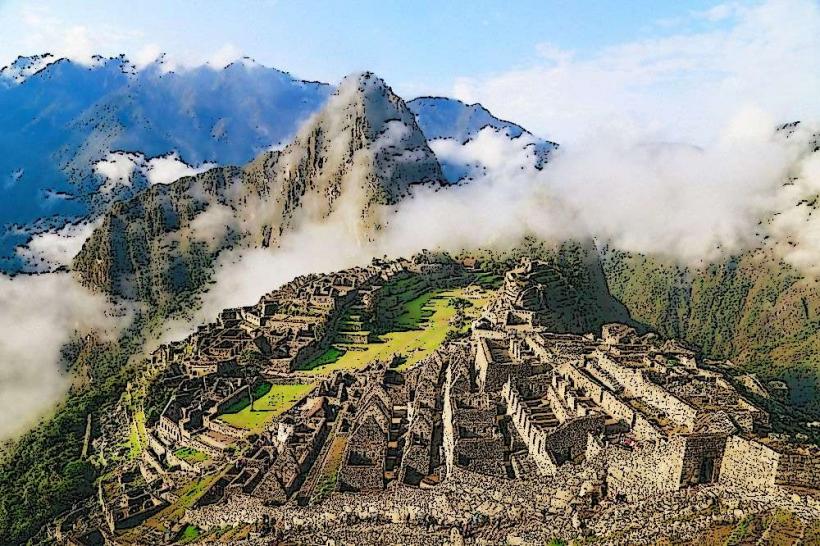
- Machu Picchu Citadel (2.5km Southwest)
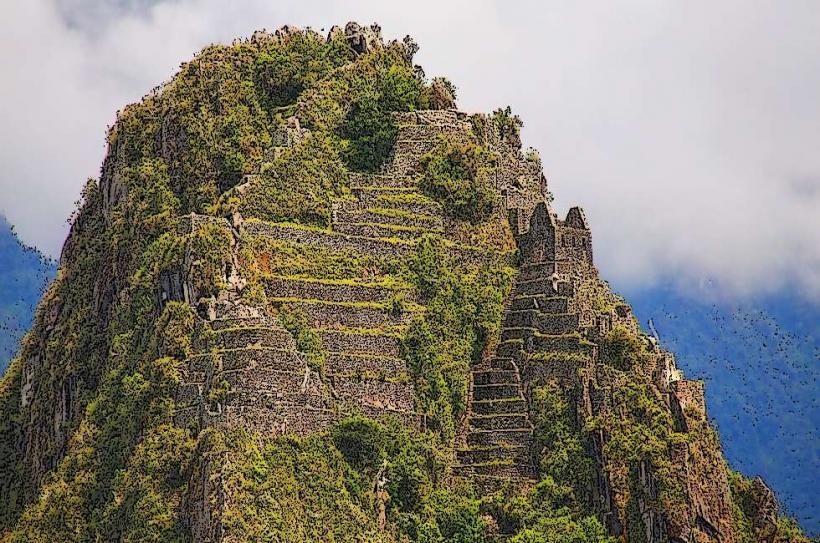
- Huayna Picchu (3km Northwest)
- Putucusi Mountain (4km West)
- Inca Bridge (3.5km West)