Information
Landmark: Machu Picchu MountainCity: Machu Picchu
Country: Peru
Continent: South America
Machu Picchu Mountain, Machu Picchu, Peru, South America
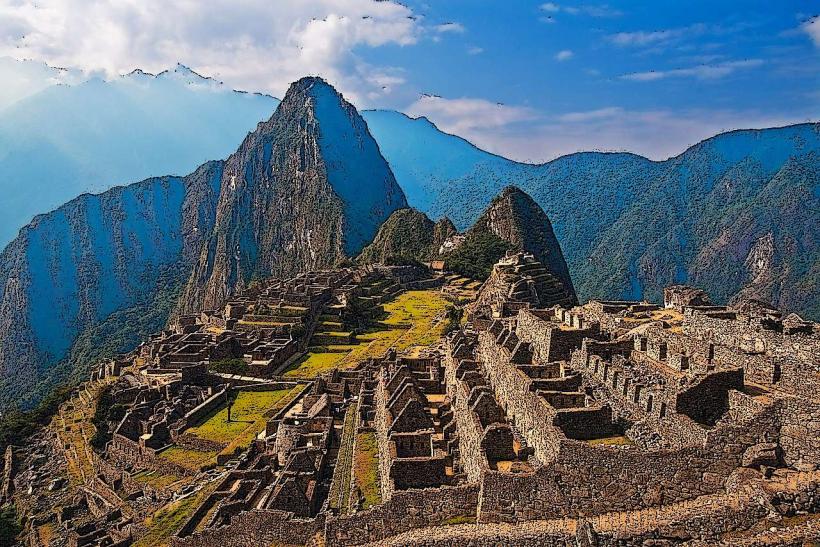
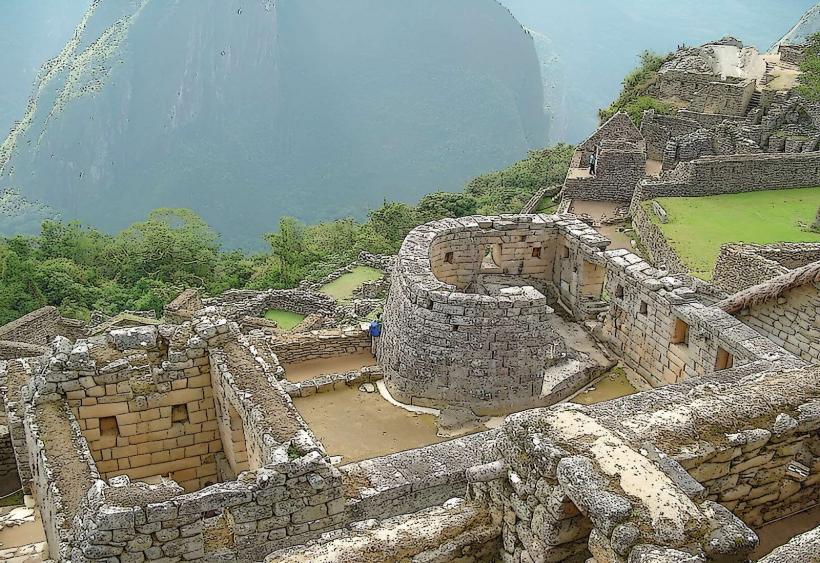
Machu Picchu Mountain is a prominent peak situated within the Machu Picchu Citadel in Peru. It forms part of the larger archaeological complex overlooking the Urubamba River valley.
Visual Characteristics
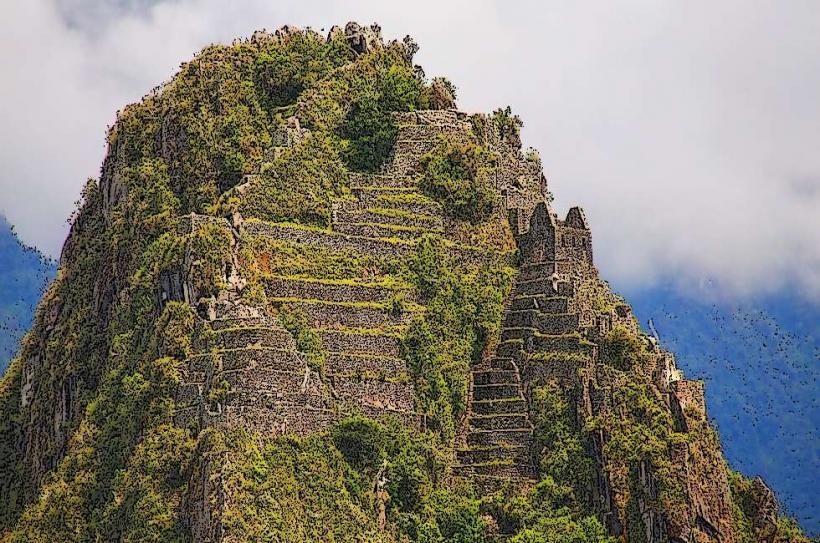
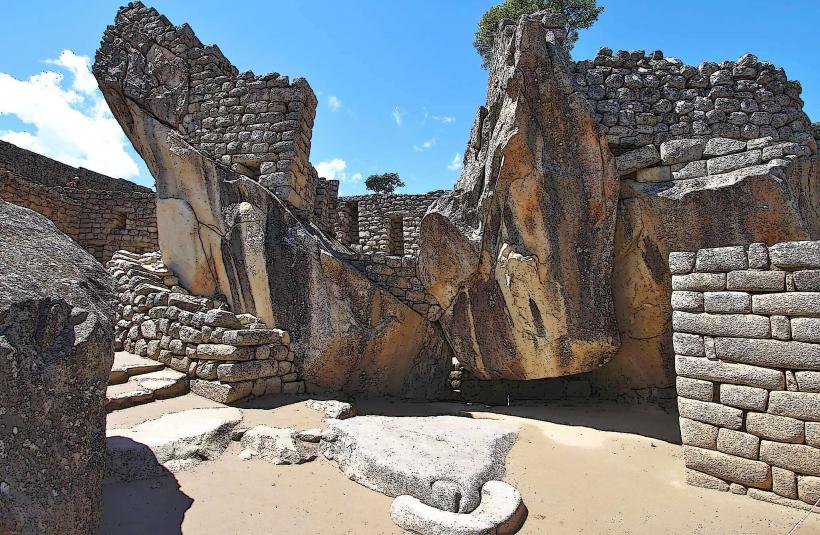
The mountain is characterized by steep, terraced slopes covered in dense cloud forest vegetation. Exposed rock faces are visible at higher elevations. The summit offers panoramic views of the surrounding Andes mountain range and the Inca ruins below.
Location & Access Logistics
Machu Picchu Mountain is accessed from the main Machu Picchu citadel. Entry requires a separate ticket purchased in advance, often bundled with the general citadel admission. From Aguas Calientes, visitors take a bus to the citadel entrance. The trailhead for the mountain hike is located near the Guardhouse within the citadel. The hike to the summit is approximately 3-4 hours round trip, depending on pace. There is no direct public transport to the mountain itself; access is solely through the Machu Picchu citadel.
Historical & Ecological Origin
Machu Picchu Mountain is a natural geological formation, part of the Cordillera Oriental range. Its ecological significance lies in its location within the cloud forest biome, supporting diverse flora and fauna. The Inca civilization integrated the mountain into their sacred landscape, constructing agricultural terraces on its lower slopes and a trail to its summit, likely for ceremonial purposes.
Key Highlights & Activities
The primary activity is hiking the trail to the summit of Machu Picchu Mountain. This hike offers elevated perspectives of the Machu Picchu ruins and the surrounding valleys. The trail involves significant elevation gain and uneven terrain. Photography opportunities are abundant along the ascent and from the summit.
Infrastructure & Amenities
Restrooms are available at the main Machu Picchu citadel entrance. There are no restrooms or dedicated rest areas along the trail to Machu Picchu Mountain. Shade is limited on the exposed upper sections of the trail. Cell phone signal is intermittent to non-existent on the mountain itself, though it may be present near the citadel entrance. Food vendors are located in Aguas Calientes and at the citadel entrance; none are available on the mountain trail.
Best Time to Visit
The best time of day for photography is generally in the morning, between 8:00 AM and 10:00 AM, when the sun angle provides good illumination and potential for mist to clear. The dry season, from May to September, offers the most favorable weather conditions with less rainfall. The hike can be strenuous in humid conditions. There are no tide-dependent factors for this mountain hike.
Facts & Legends
The Inca believed mountains were powerful deities (Apus) and often built structures or trails to their summits for worship. Machu Picchu Mountain, known locally as Huayna Picchu's neighbor, was likely considered a sacred peak by the Inca, with its summit possibly used for astronomical observation or rituals. The trail itself is a testament to Inca engineering, carved into the mountainside.
Nearby Landmarks
- Machu Picchu Citadel (0.2km West)
- Huayna Picchu (1.5km North)
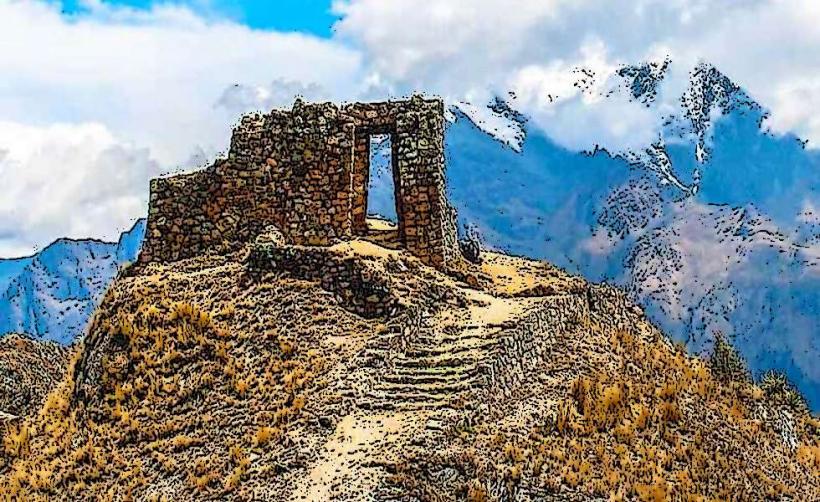
- Sun Gate (Inti Punku) (2.0km East)
- Inca Bridge (1.0km Southwest)