Information
Landmark: Japanese Garden in Vrnjačka BanjaCity: Nis
Country: Serbia
Continent: Europe
Japanese Garden in Vrnjačka Banja, Nis, Serbia, Europe
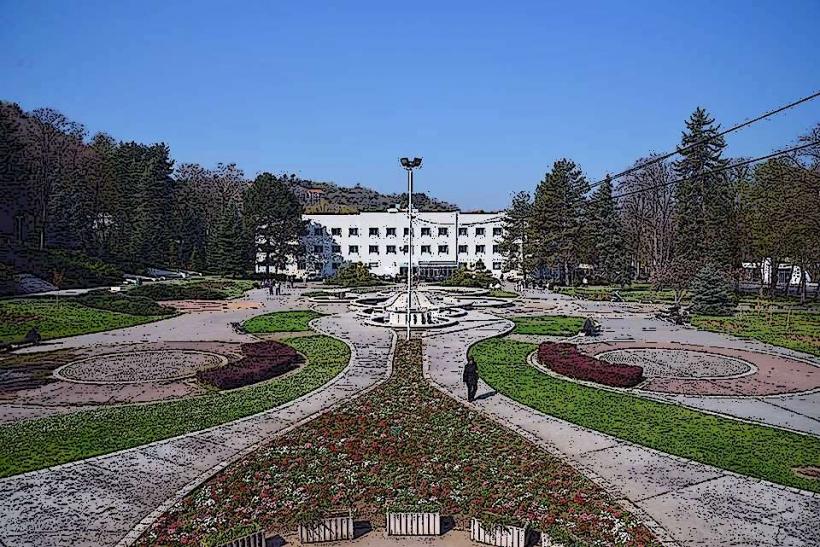
The Japanese Garden is a meticulously designed landscape feature located within the central park area of Vrnjačka Banja, Serbia. It serves as a tranquil space for contemplation and cultural appreciation.
Visual Characteristics
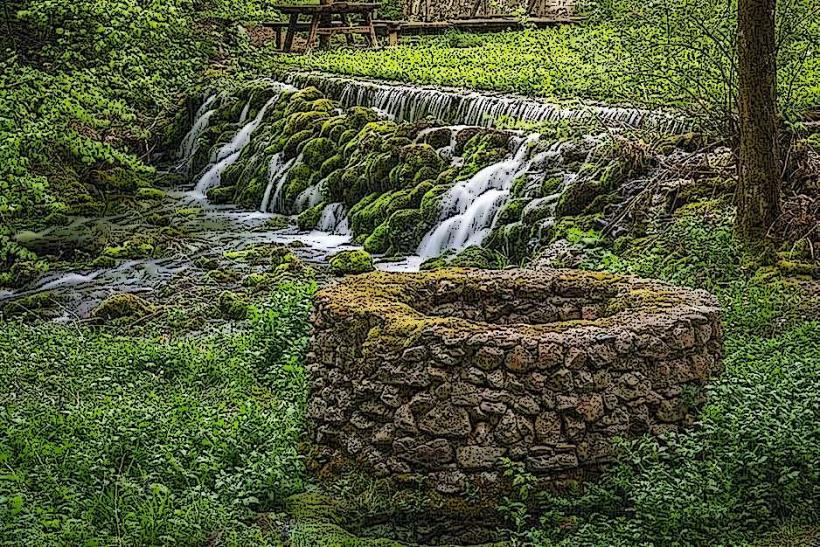
The garden spans approximately 3,000 square meters, featuring a central pond with a wooden bridge, a waterfall, and a traditional Japanese tea house constructed from wood. Key elements include carefully placed large stones, gravel paths, and a diverse selection of flora such as cherry trees, Japanese maples, and various conifers. The design incorporates principles of Zen gardening, emphasizing natural forms and asymmetry.
Location & Access Logistics
The Japanese Garden is situated in the heart of Vrnjačka Banja, adjacent to the main promenade. It is easily accessible on foot from any central point in the town, typically within a 5-10 minute walk from the main bus station. Public parking lots are available along the perimeter of the central park, with specific options near the Hotel Merkur or the main entrance to the park. Vrnjačka Banja is served by intercity bus lines connecting it to major Serbian cities like Belgrade (approximately 200km North) and Niš (approximately 120km Southeast).
Historical & Ecological Origin
The garden was constructed in 2011, initiated as a gift from the Japanese Embassy in Serbia. It was designed by Japanese landscape architects with the aim of fostering cultural exchange and providing a serene environment. Its creation involved significant landscaping to integrate traditional Japanese garden elements into the existing park topography.
Key Highlights & Activities
Visitors can engage in quiet strolling along the gravel paths, observe the koi fish in the central pond, and photograph the specific architectural and botanical elements. The tea house offers a focal point for appreciating the garden's design. It is a designated area for relaxation and quiet contemplation.
Infrastructure & Amenities
Public restrooms are available within the broader Vrnjačka Banja central park area, typically within 100-200 meters of the garden. Ample natural shade is provided by the garden's trees. Cell phone signal (4G/5G) is consistently strong throughout the area. Several cafes and food vendors are located along the nearby promenade, offering refreshments and light meals.
Best Time to Visit
The garden is particularly appealing during spring (April-May) when cherry blossoms are in bloom, and in autumn (October) for vibrant fall foliage. Early morning or late afternoon hours provide optimal soft lighting for photography and generally fewer visitors, enhancing the tranquil experience. No specific tide requirements apply.
Facts & Legends
The Japanese Garden symbolizes the enduring friendship between Serbia and Japan, serving as a tangible representation of cultural diplomacy. A local tip suggests observing the specific arrangement of stones and water, which are designed to evoke natural landscapes and promote a sense of peace, a core principle of traditional Japanese garden design.
Nearby Landmarks
- Vrnjačka Banja Promenade: 0.1km West
- Bridge of Love (Most Ljubavi): 0.3km West
- Roman Spring (Rimski Izvor): 0.4km North
- Belimarković Castle (Zamak Kulture): 0.8km East
- Mineral Water Spring Topla Voda: 0.2km South