Information
Landmark: Lazarev KanjonCity: Nis
Country: Serbia
Continent: Europe
Lazarev Kanjon, Nis, Serbia, Europe
Lazarev Kanjon is the deepest and longest canyon in eastern Serbia, carved by the Lazar River through the limestone massif of the Kučaj mountains. It is located approximately 150 kilometers northeast of the city of Nis, near the town of Bor.
Visual Characteristics
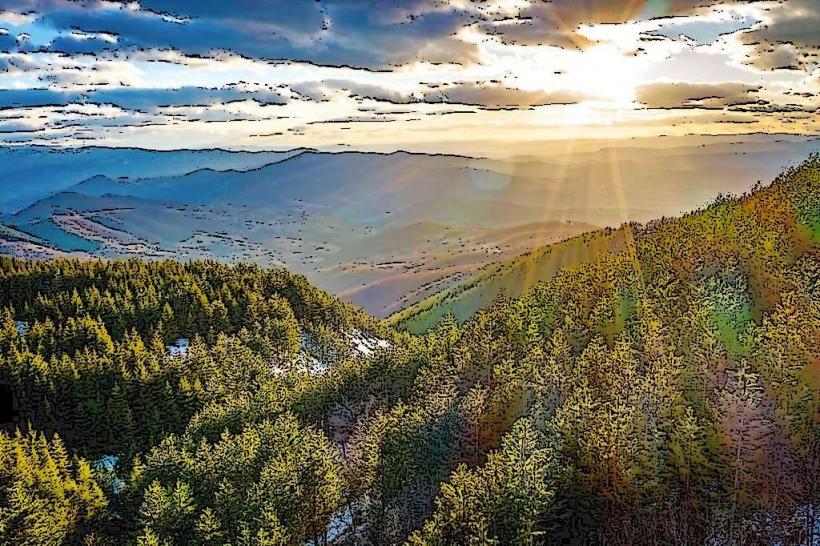
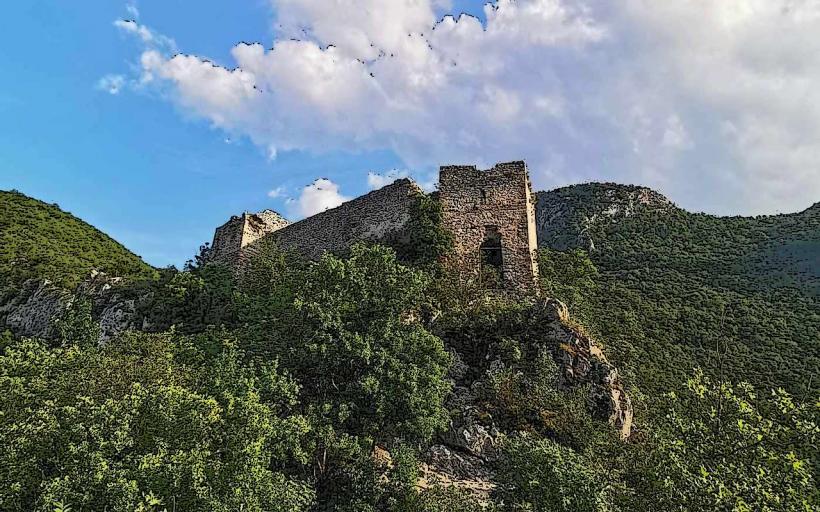
The canyon features steep, vertical limestone cliffs reaching heights of up to 500 meters. The rock faces are predominantly grey and white, with sections covered by moss and sparse vegetation. The Lazar River, which flows through the canyon, typically exhibits clear, greenish-blue water, especially during drier periods. The canyon floor is narrow, often less than 10 meters wide, and densely forested with deciduous and coniferous trees, creating significant shade.
Location & Access Logistics
Lazarev Kanjon is situated near the village of Zlot, approximately 10 kilometers east of Bor. From Nis, access involves driving north on the E75 highway towards Paracin, then transitioning to regional roads (e.g., R105, R106) towards Bor and subsequently Zlot. The total driving distance is approximately 150-160 kilometers, taking around 2.5 to 3 hours. Limited parking is available at the entrance points to the canyon and near Lazareva Pećina (Lazar's Cave). Public transport from Nis requires a bus to Bor, followed by a local taxi or private vehicle to reach the canyon entrance, as no direct bus lines serve the immediate area.
Historical & Ecological Origin
The canyon is a natural geological formation, primarily a karst canyon formed by the erosive action of the Lazar River cutting through the Mesozoic limestone of the Kučaj mountains over millions of years. It is characterized by numerous caves, sinkholes, and other karst phenomena. Ecologically, it is a significant habitat for endemic and relict plant and animal species, including various birds of prey and bats, due to its isolated and rugged terrain.
Key Highlights & Activities
Hiking is possible along designated trails, particularly to viewpoints above the canyon. Exploring Lazareva Pećina, one of Serbia's longest caves, is a primary activity, with guided tours available. Caving expeditions into other parts of the canyon, such as Vernjikica Cave, require specialized equipment and permits. Rock climbing is undertaken by experienced climbers on specific sections of the canyon walls.
Infrastructure & Amenities
Basic restrooms are available near the entrance to Lazareva Pećina. Dedicated shade structures are not present within the canyon itself, but the dense tree cover provides natural shade. Cell phone signal (4G/5G) can be intermittent or absent within the deeper sections of the canyon. Food vendors are scarce; a small kiosk may operate near Lazareva Pećina during peak season, but visitors should bring their own provisions.
Best Time to Visit
The best time to visit Lazarev Kanjon for hiking and caving is from late spring (May) to early autumn (October), when weather conditions are generally stable and the river level is lower. For photography, mornings are optimal as the sun illuminates the eastern canyon walls, and late afternoons highlight the western walls. No specific high/low tide requirements apply, as it is a river canyon.
Facts & Legends
Lazarev Kanjon is one of the most impassable canyons in Serbia, with only a few sections accessible without specialized equipment. Local legend suggests that Prince Lazar Hrebeljanović's treasure was hidden within the canyon's caves during the Ottoman invasion. A practical tip for visitors is to wear sturdy hiking boots and carry sufficient water, as services within the canyon are minimal.
Nearby Landmarks
- Lazareva Pećina (Lazar's Cave) - 0.5km West
- Vernjikica Cave - 1.5km North (within the canyon system)
- Bor Lake - 20km West
- Crni Vrh (Black Peak) - 30km North