Information
Landmark: Jeju LovelandCity: Jeju Island
Country: South Korea
Continent: Asia
Jeju Loveland, Jeju Island, South Korea, Asia
Jeju Loveland is an outdoor sculpture park located on Jeju Island, South Korea. It features adult-themed art installations.
Visual Characteristics
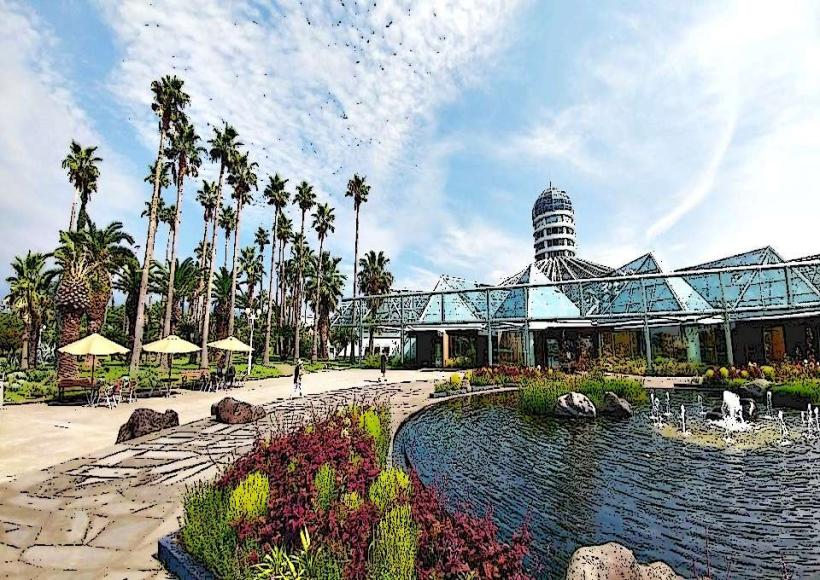
The park covers approximately 19,800 square meters. Sculptures are primarily constructed from concrete and metal, depicting human anatomy and sexual acts. The landscape includes paved pathways and some planted vegetation.
Location & Access Logistics
Jeju Loveland is situated 10 kilometers west of Jeju City. Access is via National Route 12, turning onto the local road leading to the park. Parking is available on-site for approximately 50 vehicles. Public transport options include Bus Line 702 from Jeju City Intercity Bus Terminal, with a stop approximately 500 meters from the entrance.
Historical & Ecological Origin
The park was established in 2004 by students from Hongik University's sculpture department. Its purpose is to provide a space for artistic expression related to human sexuality.
Key Highlights & Activities
Visitors can walk through the park to view the various sculptures. Photography is permitted. The park is designed for self-guided exploration.
Infrastructure & Amenities
Restrooms are available near the entrance. Limited shaded areas are present. Cell phone signal (4G/5G) is generally good within the park. No on-site food vendors are present, but facilities are available in nearby Jeju City.
Best Time to Visit
The park is open year-round. For optimal lighting for photography, late morning or late afternoon is recommended. Weather is generally mildest between April and October.
Facts & Legends
A specific local legend associated with Jeju Loveland is that couples who visit are believed to experience enhanced intimacy. The park's design intentionally incorporates elements that are meant to be provocative and spark conversation.
Nearby Landmarks
- Hallim Park (1.5km Northeast)
- Hyeopjae Beach (2.0km West)
- Geumneung Beach (2.2km West)
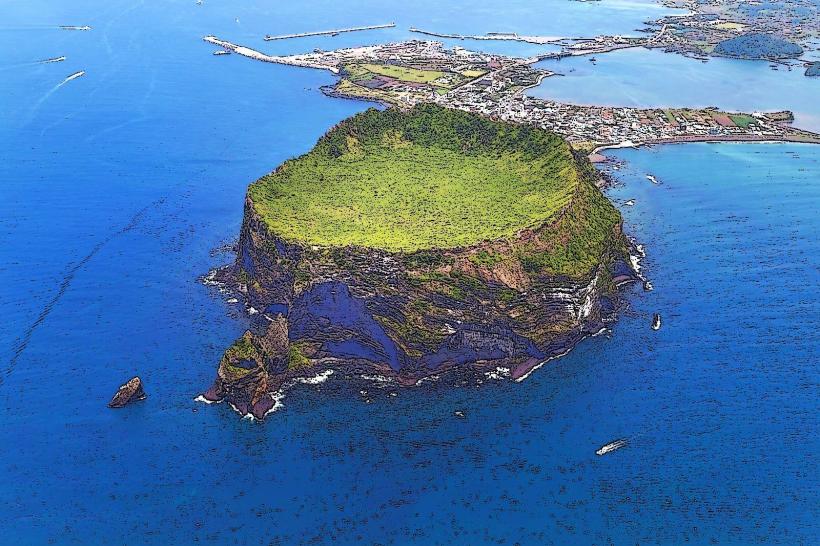
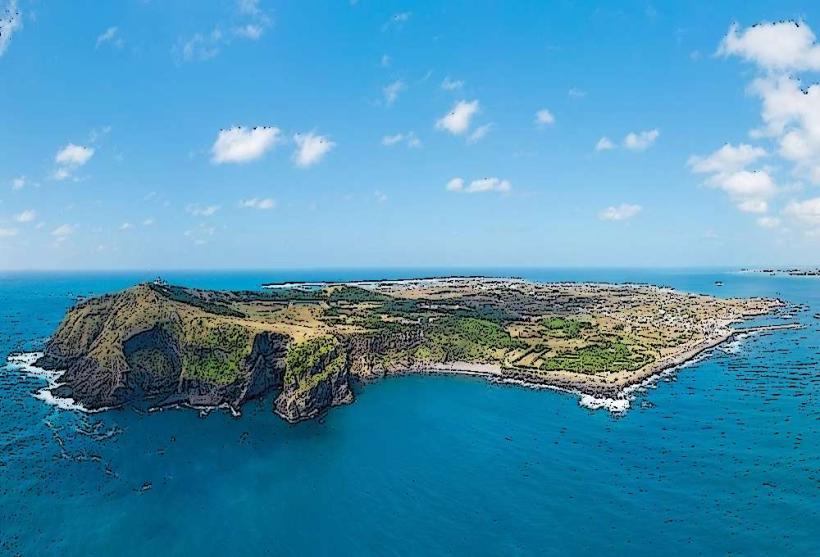
- Biyangdo Island (3.5km Northwest, visible from coast)