Information
Landmark: SeopjikojiCity: Jeju Island
Country: South Korea
Continent: Asia
Seopjikoji, Jeju Island, South Korea, Asia
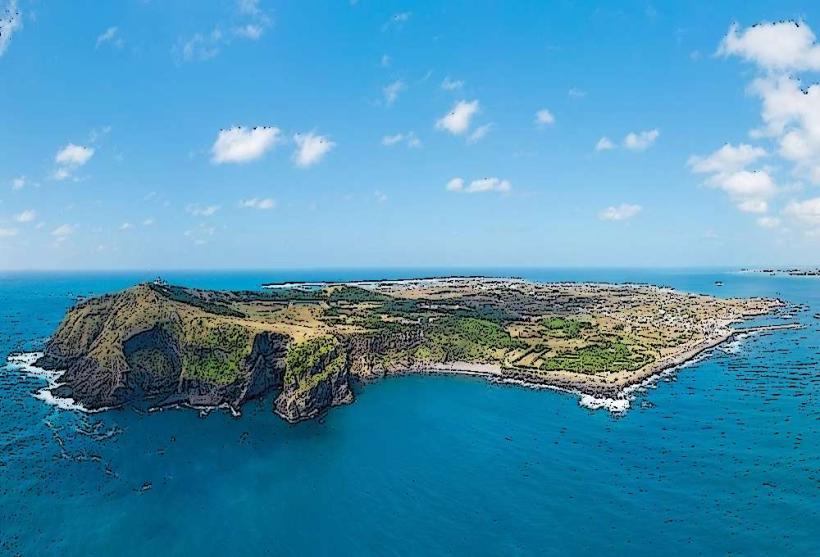
Seopjikoji is a coastal geological formation located on the eastern coast of Jeju Island, South Korea.
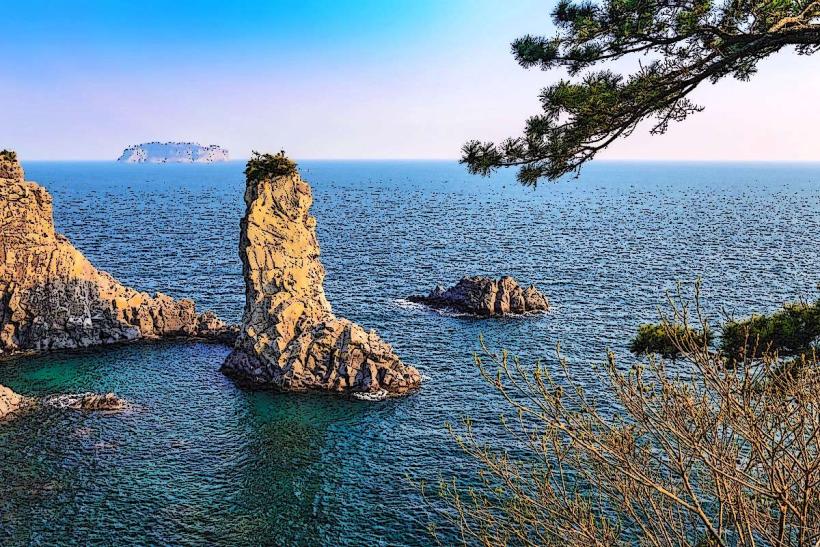
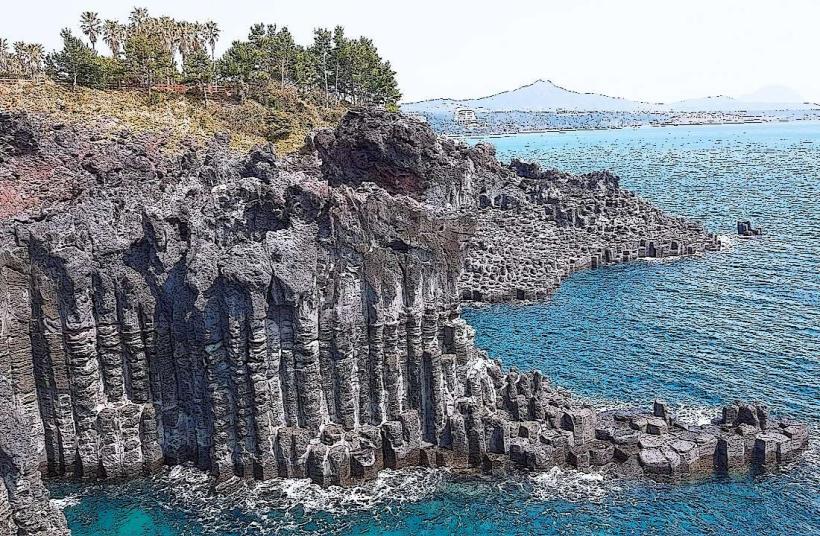
It is characterized by its distinctive volcanic rock formations and coastal scenery.
Visual Characteristics
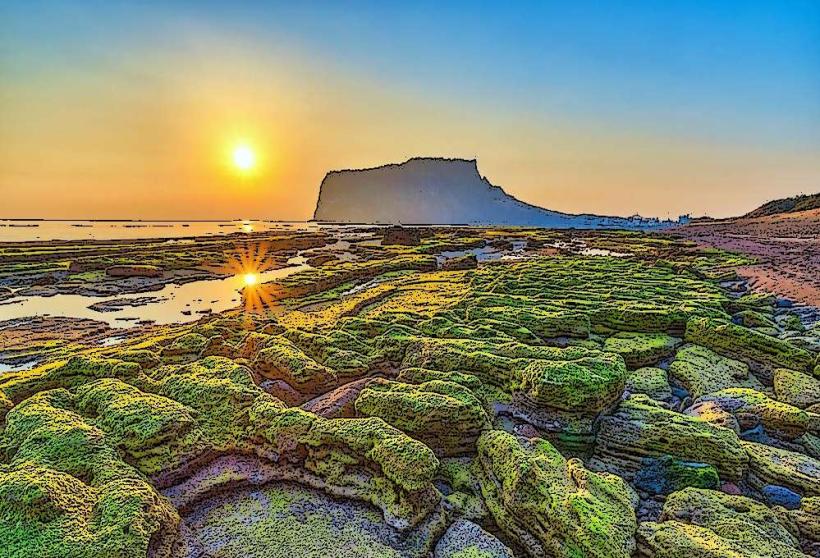
The area features a series of rugged, dark volcanic rock cliffs and formations that descend towards the sea. The coastline is primarily composed of basaltic rock. Vegetation is sparse, consisting mainly of low-lying grasses and coastal shrubs, particularly noticeable during spring and summer. The sea color varies from deep blue to turquoise depending on the depth and light conditions. A prominent lighthouse stands on the easternmost point of the promontory.
Location & Access Logistics
Seopjikoji is situated approximately 15 kilometers southeast of Jeju City. Access is via National Route 16, turning onto local road 97 (Seopjikoji-ro). Parking is available at designated lots near the entrance, with a fee. Public transport options include bus lines 701 and 710 from Jeju City, which stop at the Seopjikoji entrance. The walk from the bus stop to the main viewing areas is approximately 500 meters.
Historical & Ecological Origin
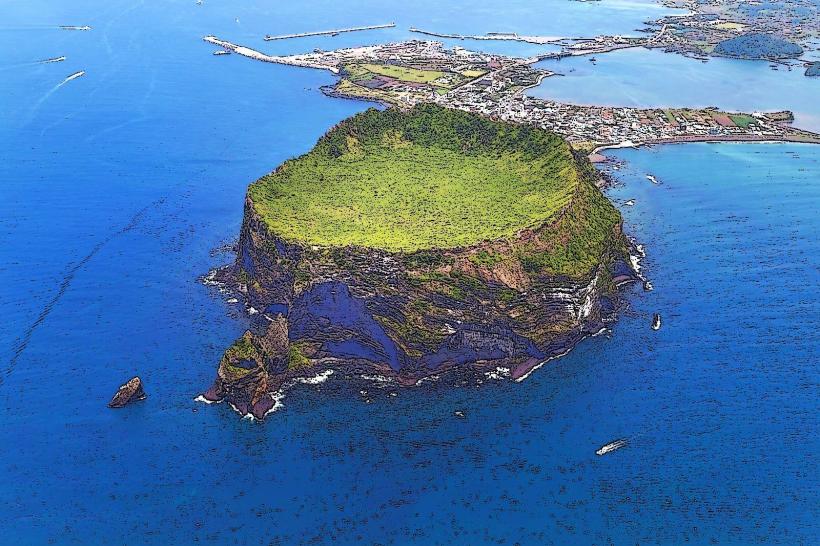
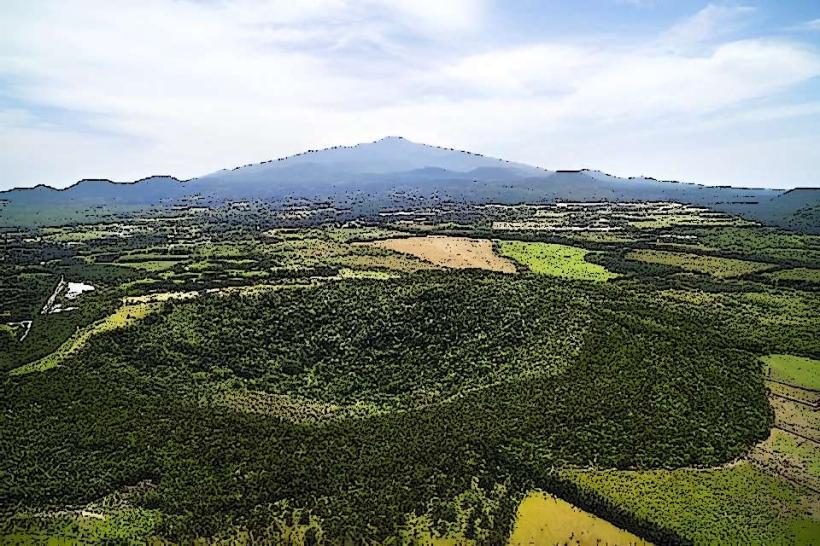
Seopjikoji is a tuff cone formed by a phreatomagmatic eruption approximately 5,000 years ago. The geological feature is a result of volcanic activity interacting with seawater. The name "Seopjikoji" derives from the local dialect, referring to the shape of the landform and the surrounding landscape.
Key Highlights & Activities
Walking the coastal paths offers views of the rock formations and the ocean. The lighthouse provides a vantage point for panoramic scenery. Photography is a common activity due to the unique geological features and coastal vistas. During the spring, the area is known for its canola flower fields.
Infrastructure & Amenities
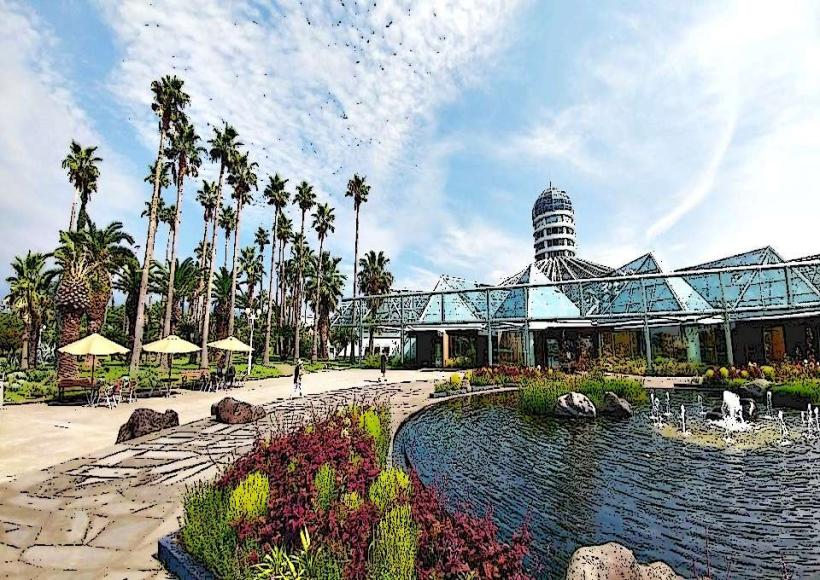
Restrooms are available at the entrance area. Limited shade is provided by natural rock overhangs and a few strategically placed shelters. Cell phone signal (4G/5G) is generally reliable. Food vendors and small cafes are located near the parking area and entrance.
Best Time to Visit
For photography, early morning or late afternoon light provides optimal conditions for highlighting the rock textures and sea colors. The months of April and May are favorable for experiencing the canola flowers. The area is accessible year-round, but coastal winds can be strong, especially during winter.
Facts & Legends
A local legend suggests that a princess once lived in a palace on Seopjikoji, waiting for a prince to descend from the sky. The lighthouse, built in 1985, is a modern addition but has become an iconic symbol of the location.
Nearby Landmarks
- 0.8km West: Seongsan Ilchulbong Peak (UNESCO World Heritage Site)
- 3.5km Southwest: Jeju Folk Village
- 4.2km Northwest: Seopjikoji Art Museum
- 4.8km North: Dongseong Village