Information
Landmark: King MosqueCity: Berat
Country: Albania
Continent: Europe
King Mosque, Berat, Albania, Europe
Overview
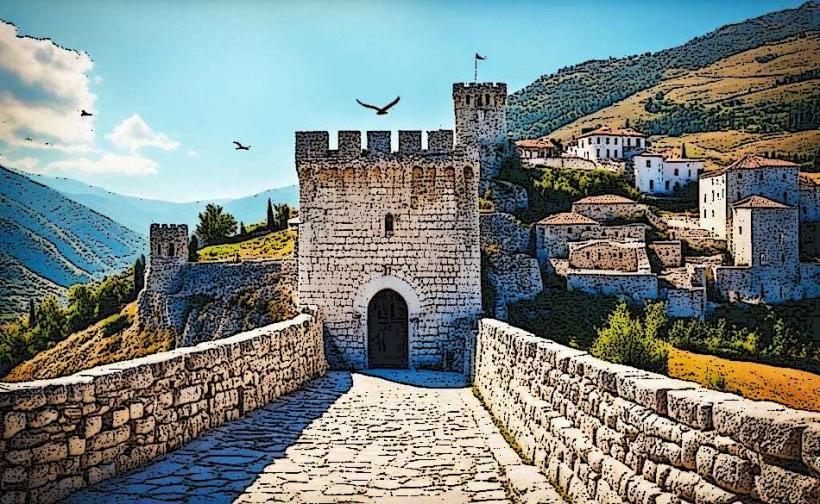
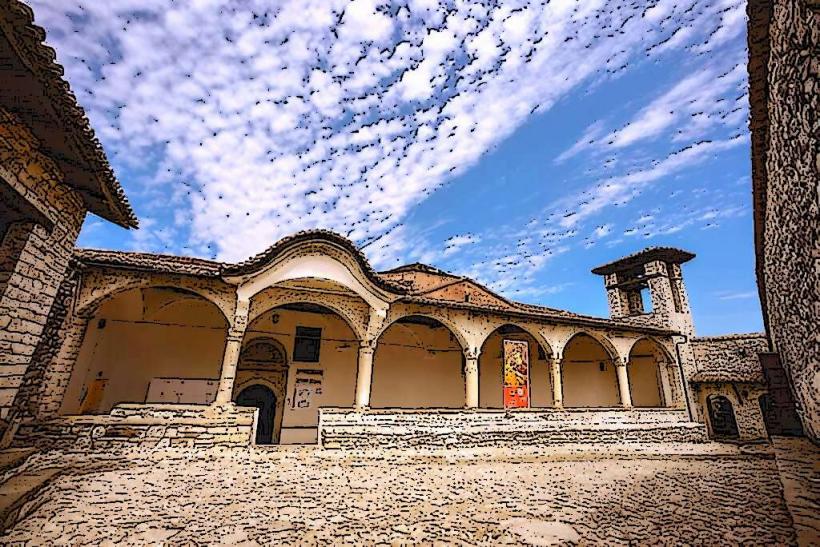
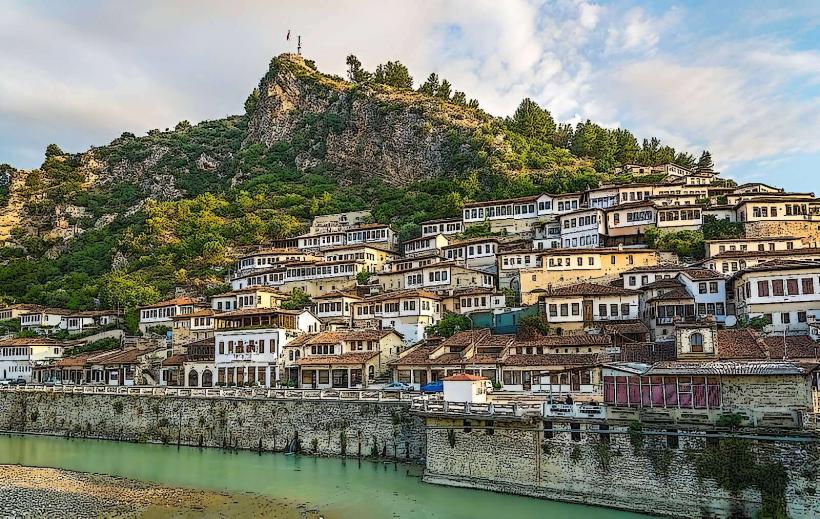
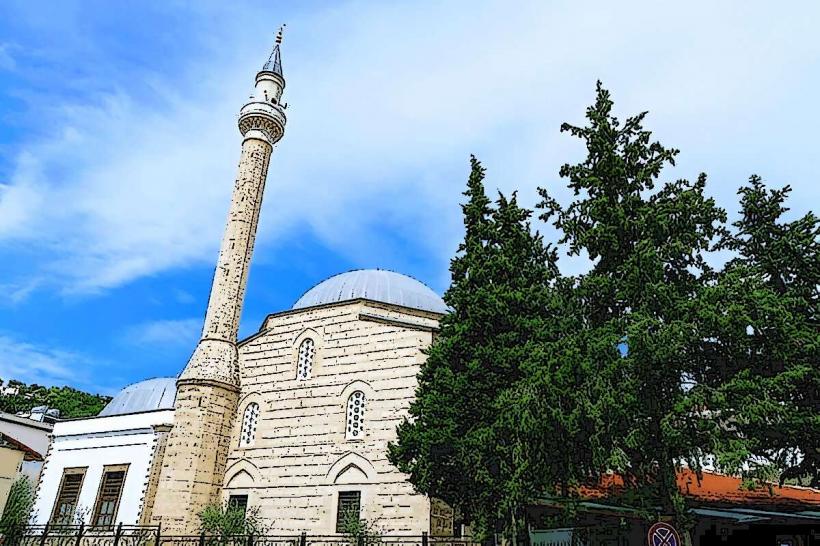
In the heart of Berat, Albania, the King Mosque (Albanian: Xhamia e Mbretit) stands as one of the city’s most essential Ottoman-era landmarks, its stone walls catching the afternoon sun, and this mosque, built in the Ottoman era, stands as a key piece of Berat’s history, shaping its faith and architecture alike; its white minaret still catches the afternoon sun.As far as I can tell, The King Mosque rose in the 16th century, built under the rule of Ottoman Sultan Suleiman the Magnificent, when the scent of fresh-cut stone still lingered in the air, consequently suleiman’s son, Prince Mehmed, commissioned it, earning a reputation as the region’s “king” during his rule.Not surprisingly, The King Mosque was built to showcase the grandeur and might of the Ottoman Empire, with a tall, slender minaret, a sweeping domed roof, and intricate interior patterns true to the era’s mosque design; for centuries, it’s stood at the heart of Berat’s Islamic worship and cultural life, in turn for centuries, the King Mosque has welcomed the local Muslim community-echoing with prayers, warm greetings, and the murmur of lessons in faith.It stood as a powerful emblem of Islamic influence during the Ottoman Empire, when Islam spread across much of the Balkans, including Albania, alternatively its architecture reflects the Ottoman style, a graceful blend of soaring Byzantine domes and intricate Islamic details, for the most part You know, The mosque’s main hall rises beneath a sweeping central dome, a hallmark of Ottoman design that evokes the heavens and God’s oneness, as a result beside it stands a tall, slender minaret, its narrow balcony ready for the call to prayer, almost As it happens, The mosque’s courtyard feels wide and airy, often with a petite fountain where worshippers rinse their hands and face before prayer, what’s more inside, the design is simple but graceful, with a broad musalla lit by sunlight streaming through tall windows, generally At the heart of the mosque stands the mihrab, a petite arched niche pointing toward Mecca, while walls glow with patterned tiles and flowing lines of Islamic calligraphy, in conjunction with the wooden mimber for sermons and the women’s mezzanine echo the layout of Ottoman mosques, shaped by both worship needs and the era’s social customs.Unlike grander monuments, the King Mosque favors clean lines and unadorned spaces, staying true to the Ottoman ideal of simple, purposeful design, therefore the aim is to foster a space that invites worship of God, not to flaunt gold or towering splendor.For centuries, the King Mosque has stood at the heart of Islamic life in Berat, its doors open to the faithful, in addition the mosque still serves as a lively center for local Islamic life, hosting Friday prayers, Ramadan nights filled with the scent of fresh bread, and joyful Eid gatherings, sort of It’s more than a locale of worship-it’s where the Muslim community comes together for festivals, meetings, and shared moments, to boot berat itself has long been a multicultural city, where Christian and Muslim neighbors have lived side by side for generations.The King Mosque, alongside the city’s other sacred buildings, rises in quiet witness to its rich and varied heritage, its stone walls catching the afternoon sun, as a result the King Mosque stands as a reminder of the Ottoman era, when the call to prayer mingled with church bells and Islamic culture thrived beside long-rooted Orthodox and Catholic traditions, kind of Alongside centuries-historic churches and cathedrals, it reflects the rich mix of faiths that defines Berat and much of Albania, as a result for visitors, it’s a must-witness-especially if you’re drawn to Ottoman architecture or the layered history woven into the city’s streets, moderately Set in the heart of the Mangalem Quarter, part of a UNESCO World Heritage site, the mosque is easy to reach for travelers wandering the city’s winding, stone-paved streets, after that visitors can take in its graceful arches, then dive into its history and cultural importance through guided tours or well-placed plaques.Though the doors are open to the public, it remains a living setting of prayer, along with when you step into the mosque, you’re expected to wear modest clothing and speak or move with quiet respect, like keeping your voice low on soft stone floors.The mosque’s quiet air of incense and soft light invites reflection, offering peace to anyone seeking a deeper connection with Albania’s Islamic heritage, at the same time the King Mosque of Berat stands as a graceful example of Ottoman architecture and remains one of the city’s most treasured cultural and religious landmarks.You know, Dating back to the 16th century, it’s still a lively gathering locale where local Muslims pray and share quiet conversations beneath its cool stone arches, in turn with its clean, graceful lines and deep ties to both history and faith, it draws visitors eager to step into Albania’s Ottoman past and experience the texture of Islamic culture, more or less The King Mosque still stands at the heart of Berat’s rich, multicultural heritage, whether you step inside for quiet prayer or to admire the worn patterns on its ancient stone walls.
Author: Tourist Landmarks
Date: 2025-09-01