Information
Landmark: La OrotavaCity: Tenerife
Country: Canary Islands
Continent: Europe
La Orotava, Tenerife, Canary Islands, Europe
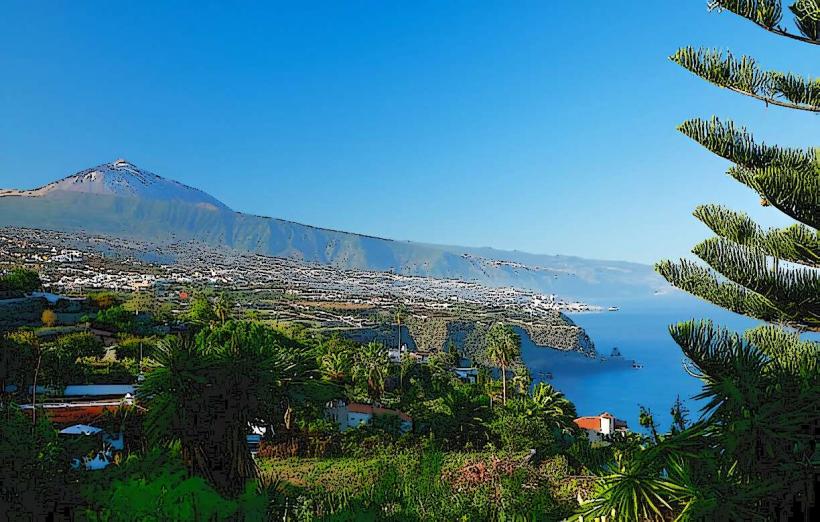
La Orotava is a historic town renowned for its well-preserved traditional Canarian architecture and significant botanical gardens. It is situated in the northern part of the island of Tenerife, within the Canary Islands archipelago.
Visual Characteristics
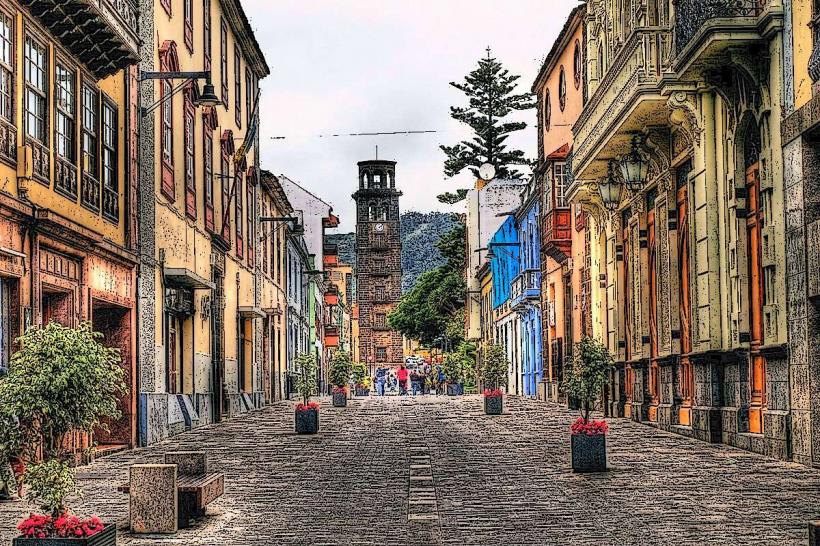
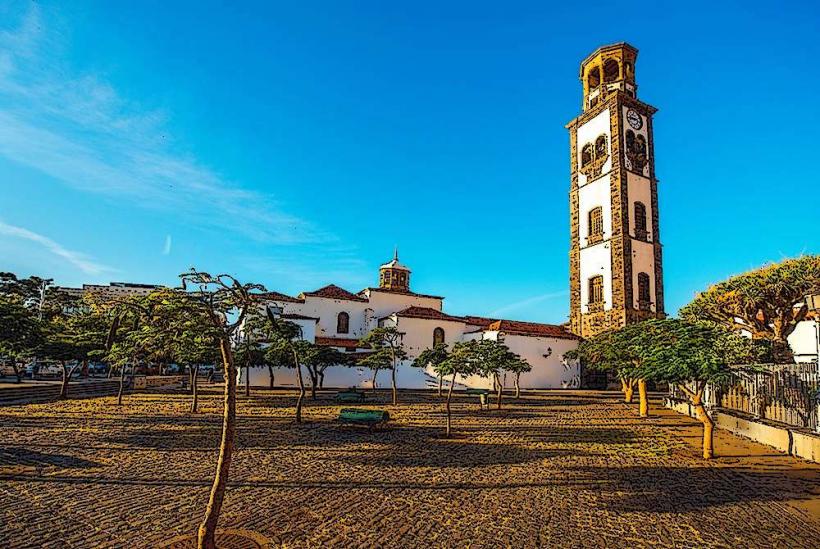
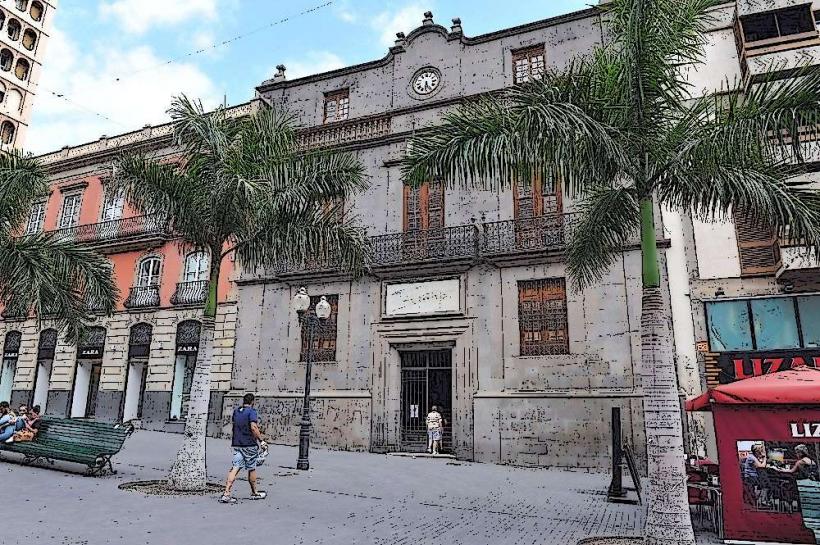
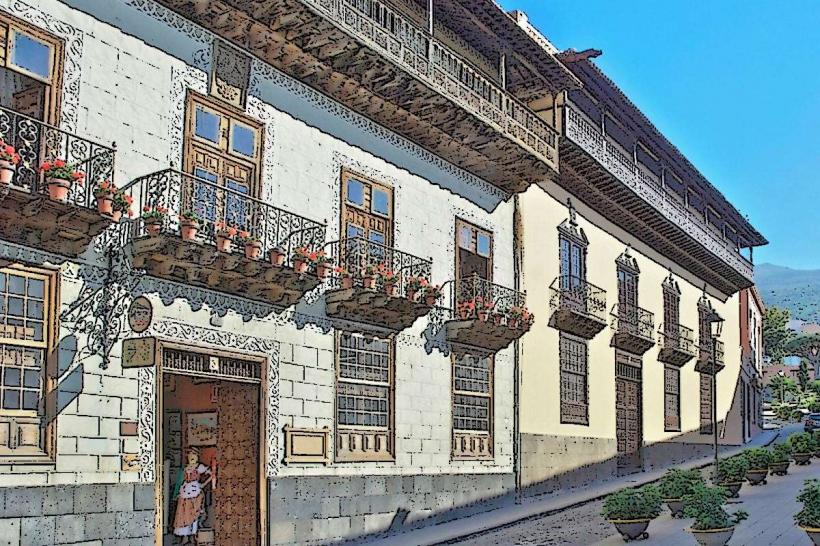
The town features traditional Canarian architecture, characterized by multi-story buildings with prominent wooden balconies, often intricately carved, and interior courtyards. Building facades are typically whitewashed or painted in ochre tones, complemented by dark wood elements and terracotta roof tiles. Streets are often steep and cobblestoned, winding through the urban fabric. The overall aesthetic reflects a blend of colonial and local building traditions, with structures generally ranging from two to three stories in height.
Location & Access Logistics
La Orotava is located approximately 30 km southwest of Santa Cruz de Tenerife and 7 km south of Puerto de la Cruz. Access is primarily via the TF-5 motorway (Autopista del Norte), with Exit 33 leading directly into the town. Public parking is available in designated areas, including a multi-story car park near the Ayuntamiento (Town Hall) and surface lots near the Jardines Victoria. Street parking is limited on the narrower historic streets. Public transport is provided by Titsa bus services; Line 101 connects Santa Cruz to Puerto de la Cruz via La Orotava, and Line 345 offers a direct connection from Puerto de la Cruz.
Historical & Ecological Origin
The town of La Orotava was founded in the early 16th century following the Castilian conquest of the Canary Islands. Its original purpose was to serve as an administrative and agricultural center, capitalizing on the fertile lands of the Valle de La Orotava for crops such as wine and cochineal. It also became a favored residential area for wealthy landowners. The architectural style developed organically over centuries, influenced by Spanish colonial designs adapted to local materials and climate, rather than being the work of a single architect.
Key Highlights & Activities
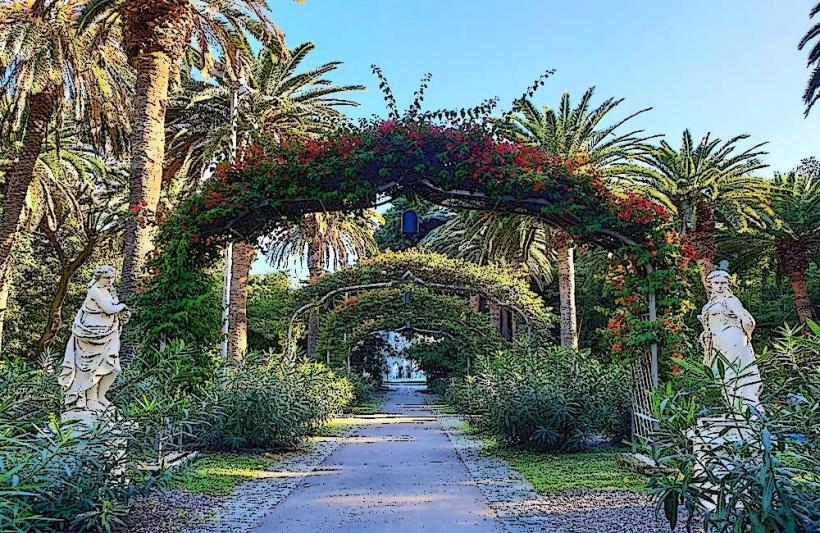
Visitors can explore the Casa de los Balcones (House of the Balconies) to observe traditional Canarian architecture and artisan workshops. Strolling through the tiered Jardines Victoria (Victoria Gardens) offers panoramic views of the valley. The Iglesia de la Concepción, a significant Baroque church, is open for visits. Walking tours of the historic town center, designated as a Historic-Artistic Site, are a common activity. The Museo de Artesanía Iberoamericana de Tenerife (MAIT) showcases Ibero-American crafts.
Infrastructure & Amenities
Public restrooms are available in museums, public buildings, and numerous cafes and restaurants throughout the town. Shade is provided by the narrow streets, building overhangs, and trees in public squares and gardens. Cell phone signal is generally strong, with 4G and 5G coverage widely available. A variety of food vendors, including restaurants, cafes, and bakeries, offer local Canarian cuisine and refreshments.
Best Time to Visit
The best months to visit La Orotava are from April to June and September to November, when the weather is mild and tourist crowds are generally smaller. Mornings, between 9:00 AM and 12:00 PM, are ideal for exploring the historic streets, offering comfortable temperatures and softer light for photography. Late afternoons, from 4:00 PM to 6:00 PM, also provide good lighting conditions. The town is particularly notable during the Corpus Christi celebration in June, when elaborate sand and flower carpets adorn the streets.
Facts & Legends
La Orotava is internationally recognized for its intricate sand and flower carpets created annually for the Corpus Christi procession. These temporary artworks, made from volcanic sand and flower petals, cover significant portions of the town's streets with detailed designs. A practical tip for visitors is to respect the privacy of residents when admiring the historic houses, as many are privately owned. Some courtyards are occasionally open to the public for viewing.
Nearby Landmarks
- Puerto de la Cruz: 7 km North
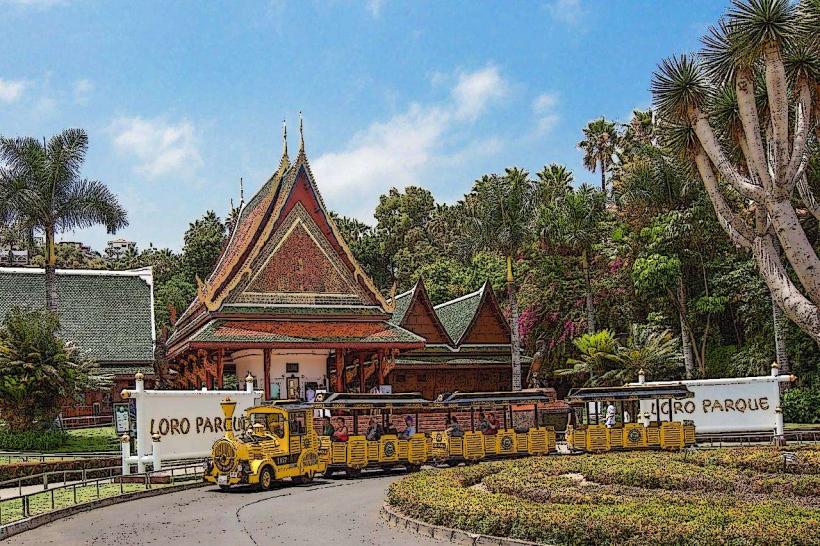
- Loro Parque (Puerto de la Cruz): 8 km North
- Jardín Botánico (Puerto de la Cruz): 6 km North
- Mirador de Humboldt: 3 km East
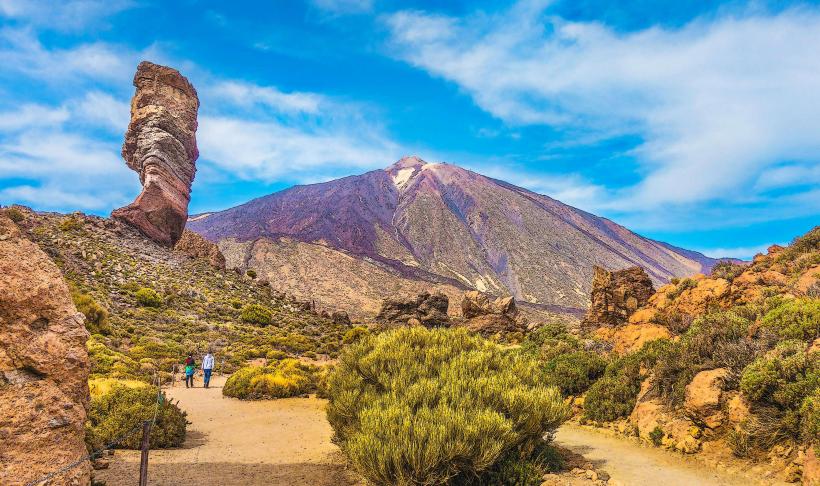
- Teide National Park (entrance via TF-21): Approximately 25 km South