Information
Landmark: La PalmaCity: Suchitoto
Country: El Salvador
Continent: North America
La Palma, Suchitoto, El Salvador, North America
La Palma is a town located in the Chalatenango department of El Salvador. It is situated in a mountainous region known for its artisan crafts.
Visual Characteristics
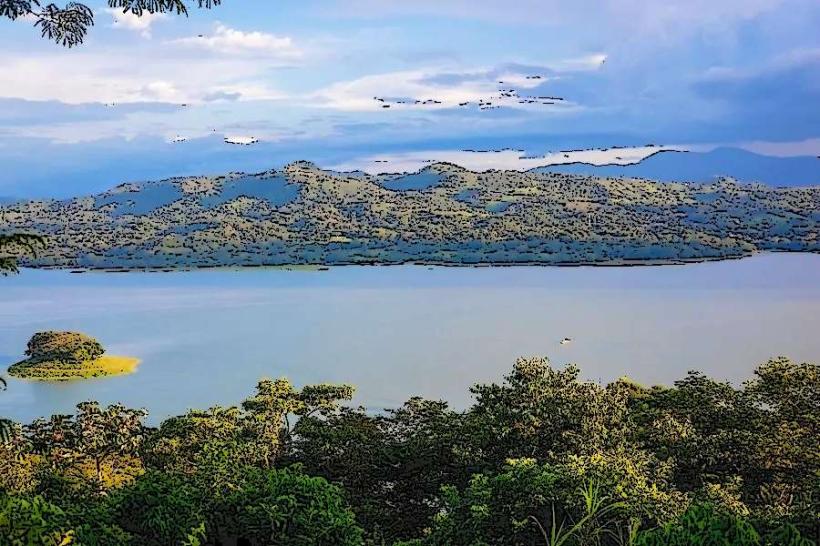
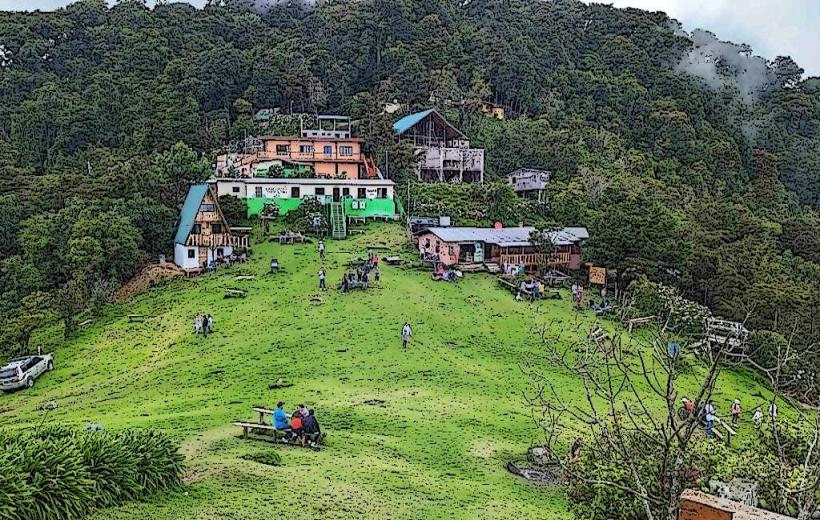
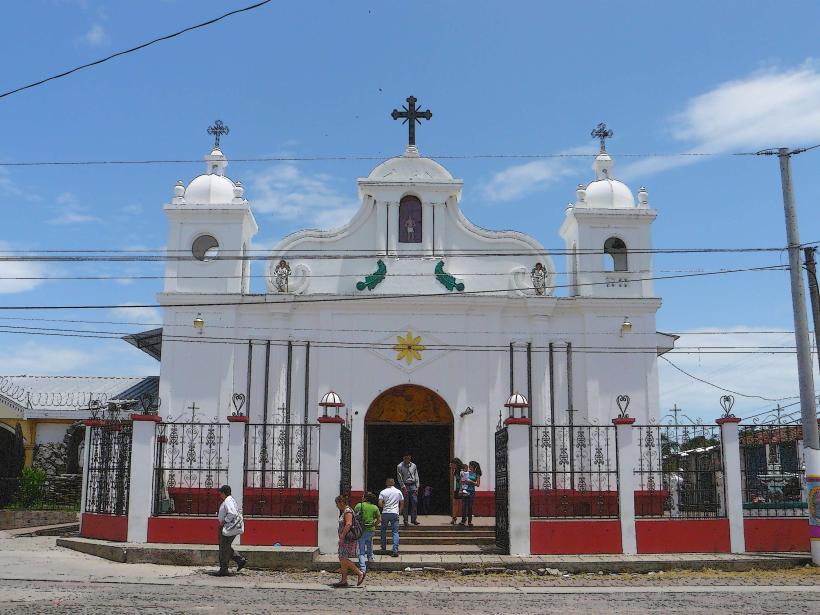
The town is characterized by its brightly painted houses, many adorned with murals depicting local flora, fauna, and daily life. Buildings are typically constructed from concrete and painted in a variety of vivid colors, including blues, yellows, reds, and greens. The surrounding landscape features rolling hills covered in dense vegetation, with pine trees being a common sight.
Location & Access Logistics
La Palma is approximately 65 kilometers north of San Salvador. Access is primarily via Carretera Panamericana (CA-1) heading north, then turning onto Carretera de Los Chorros (CA-2) towards Suchitoto, and finally following local signage to La Palma. Driving time from San Salvador is roughly 1.5 to 2 hours, depending on traffic. Limited public parking is available in designated areas within the town center. Several bus lines, including routes 108 and 119 from San Salvador's Terminal de Occidente, serve La Palma.
Historical & Ecological Origin
La Palma gained prominence in the late 1970s and early 1980s as a center for folk art, particularly the "arte naif" or naive art style. This movement was significantly influenced by the artist Fernando Llort, who established a workshop in the town. The region's ecological origin is characterized by its highland topography, part of the Central American volcanic arc, with soils suitable for pine and oak forests.
Key Highlights & Activities
Visitors can observe and purchase handcrafted items, including painted wooden figures, pottery, and textiles, directly from artisans' workshops. Walking through the town to view the mural art on buildings is a primary activity. Hiking trails in the surrounding hills offer opportunities for nature observation.
Infrastructure & Amenities
Restrooms are available in some shops and restaurants. Shade is provided by building overhangs and trees in certain areas. Cell phone signal (4G) is generally available within the town center. Small restaurants and food stalls offer local cuisine.
Best Time to Visit
The best time of day for photography is during daylight hours when the colors of the houses and murals are most visible. The dry season, from November to April, offers the most favorable weather conditions with less rainfall. Mornings are generally cooler and less crowded.
Facts & Legends
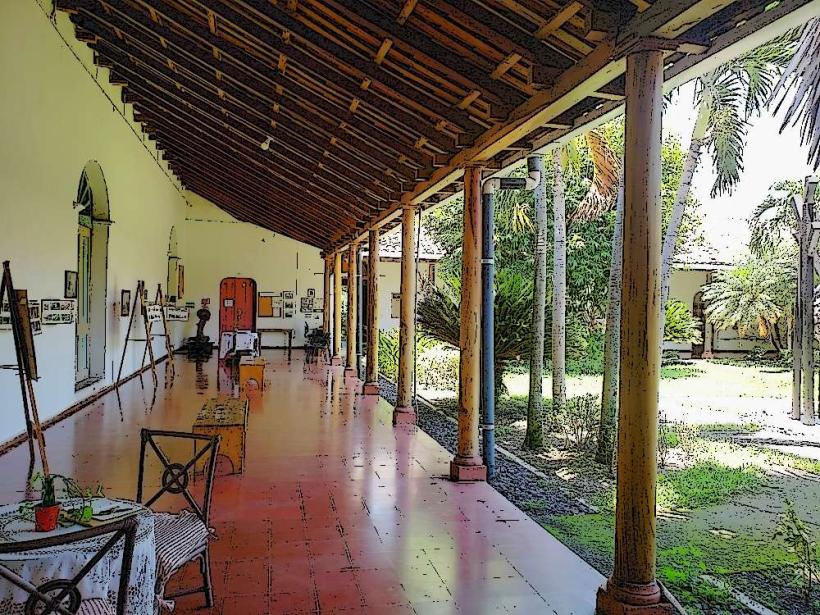
A notable historical oddity is the "Casa de la Cultura," a former schoolhouse that became a hub for the artistic movement, showcasing the transformation of a community through art. A local tip is to engage with the artisans; many are willing to share stories about their craft and the town's history.
Nearby Landmarks
- Suchitoto (15km Southwest)
- Parque Nacional El Boquerón (40km South)
- Lago de Ilopango (45km Southeast)
- San Salvador Metropolitan Cathedral (65km South)