Information
Landmark: Lalasoa ValleyCity: Fianarantsoa
Country: Madagascar
Continent: Africa
Lalasoa Valley, Fianarantsoa, Madagascar, Africa
Overview
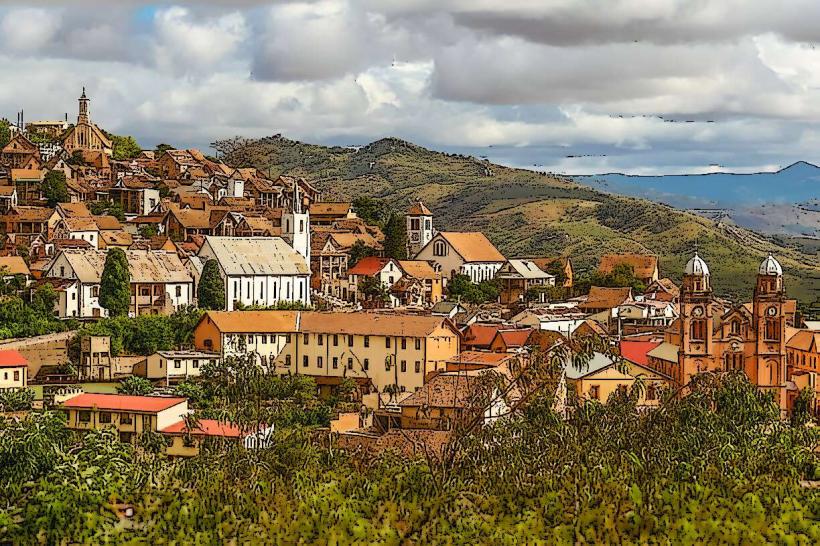
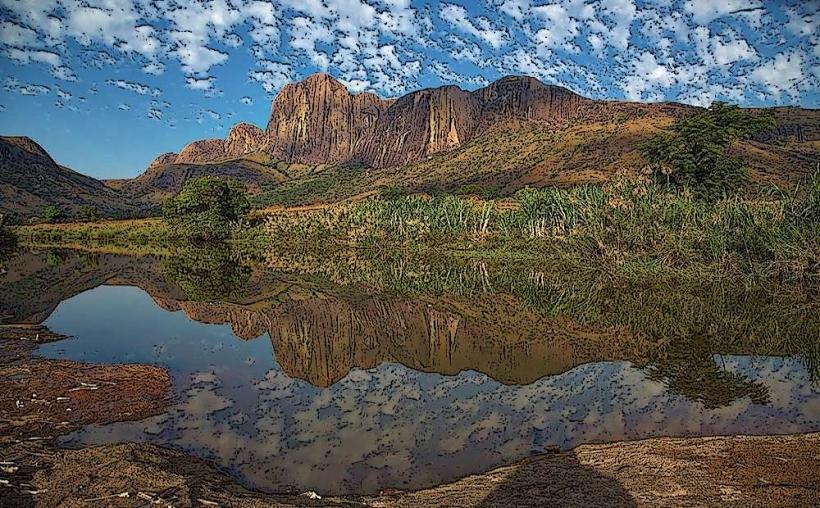
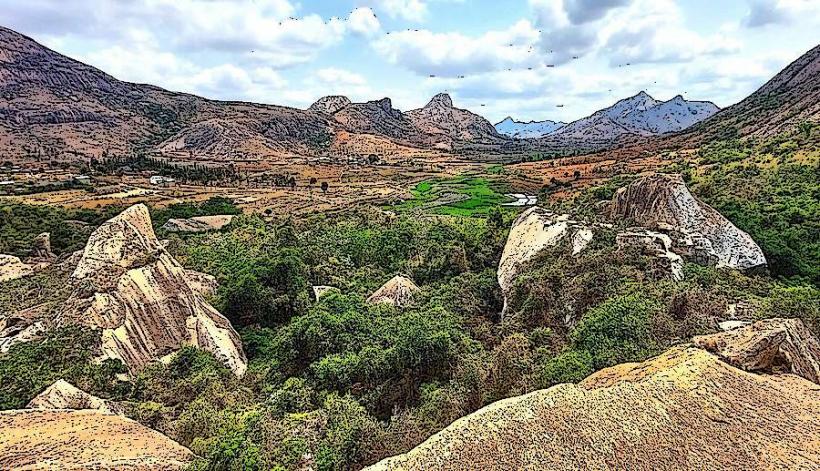
As it turns out, Tucked in Madagascar’s central highlands, the Lalasoa Valley lies near the city of Fianarantsoa, where rolling green hills hold centuries of history, as well as the valley draws visitors with its rolling green hills, feeds the region with fertile farmland, and holds a storied spot in its history.The Lalasoa Valley lies just south of Fianarantsoa, where green hills roll toward the horizon, consequently it sits in Madagascar’s central highland plateau, a venue of rolling green hills, rich soil, and air that stays cool even at midday.Hills and rugged mountains ring the valley, framing it in a striking sweep of stone and shadow, therefore the land rises and dips in gentle hills, breaks into deep gorges, and stretches out into rich soil perfect for growing crops.The valley’s mild climate has long fueled its thriving farms, where orchards glow with ripe fruit, and it also shelters a remarkable variety of plants and animals, not only that the area bursts with tropical plants and dense forests, home to Madagascar’s own lemurs, shining-eyed chameleons, and a chorus of native birds, almost Believe it or not, In the Lalasoa Valley, rich dusky soil nourishes a wide range of crops, from beans to rice, after that in the valley’s warm, fertile soil, farmers raise rice, corn, vegetables, and fruit, taking full advantage of the gentle climate.Rice stands out as a key crop here, filling bowls across Madagascar every day, in turn the region’s irrigation channels keep the terraced slopes green with rice, their narrow steps catching the sun.In the Lalasoa Valley, many families depend on these fields for their daily bread, and for generations, the valley has thrived on rural agriculture, with most families tending modest plots of rice or maize.In the days of the Merina Kingdom-the powerful heart of central Madagascar before French rule-Lalasoa Valley held a venue of real importance, besides the valley held great strategic value, its rich, dim soil feeding the kingdom’s fields.It’s also a cultural heartland for the Merina people, who have long called Madagascar’s central highlands home, besides the region’s past is deeply tied to the kingdom’s story and the wider Malagasy culture.In the valley, you’ll find traditional houses with curved zebu-horn roofs, built from local wood, sun-bleached thatch, and cool, rough stone, not only that these homes showcase the distinct architecture of the highlands, with steep roofs built to shed heavy rains.The Lalasoa Valley, much like the rest of the central highlands, thrived as a hub during the reign of the Merina monarchs, who worked to tighten their grip on the region, therefore the fertile soil of the Lalasoa Valley fed the growing population of Fianarantsoa and other highland cities, and in the 19th century it became a testing ground for contemporary farming methods under King Radama I and his successors.Today, with its green hills and deep historical roots, the valley holds strong potential for ecotourism, as a result with rolling green hills just a short drive from Fianarantsoa, the area could draw visitors eager to hike, witness traditional farming up close, and hear the region’s ancient stories, to some extent But like much of Madagascar, the valley struggles with deforestation, eroding soil, and the growing strain of climate change, likewise work to promote sustainable farming and protect the valley’s natural resources hasn’t stopped.Today, the Lalasoa Valley still drives the local economy, its green fields stretching toward the hills as a key center for agriculture, subsequently like much of rural Madagascar, the region struggles with poor roads, limited schools, and scarce modern healthcare.Yet the Lalasoa Valley, with its green terraces and deep roots in the island’s history, remains a vital thread in both local life and the nation’s identity.
Author: Tourist Landmarks
Date: 2025-09-08