Information
Landmark: Langdon HouseCity: Portsmouth NH
Country: USA New Hampshire
Continent: North America
Langdon House, Portsmouth NH, USA New Hampshire, North America
Overview
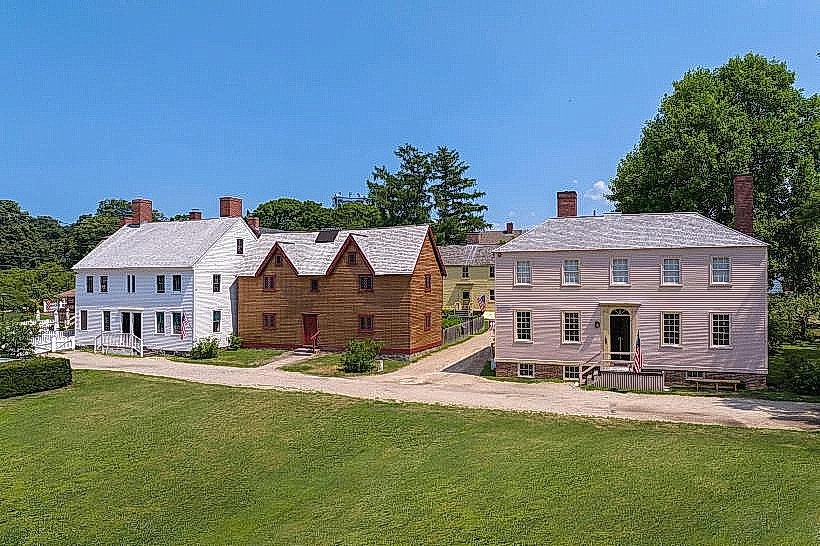
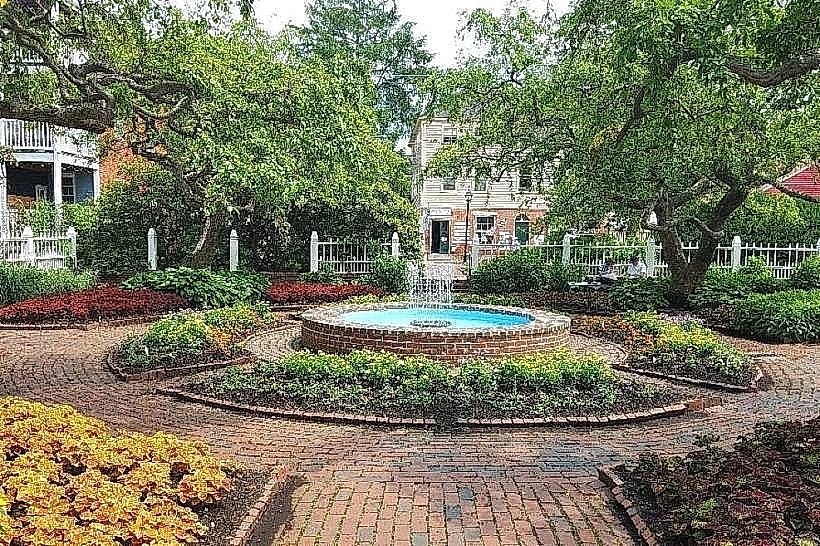
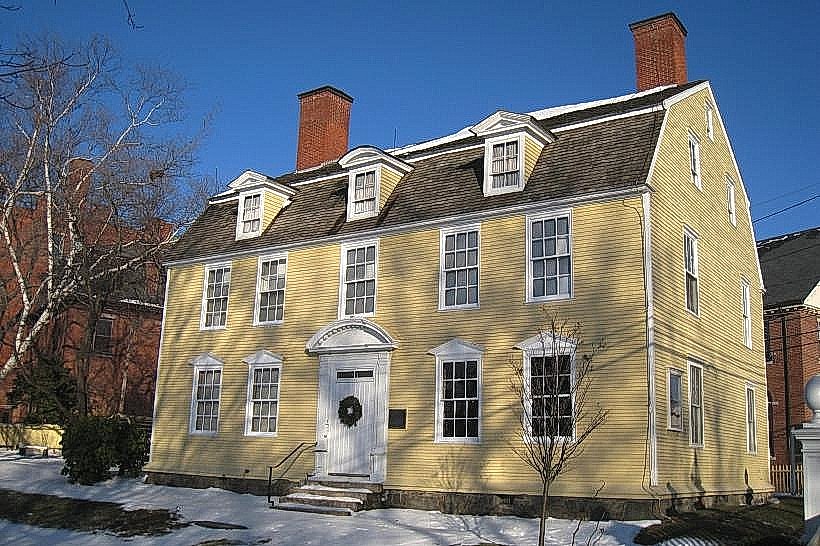
In Portsmouth, innovative Hampshire, the Governor John Langdon House stands as one of the city’s most refined, history‑laden homes, its white clapboard and stately symmetry offering a flawless glimpse into Georgian design and the wealth of the 18th century, moreover john Langdon built this grand mansion in 1784, its pale clapboard siding catching the afternoon light on Pleasant Street, with neat rows of symmetrical windows and crisp, elegant trim.As far as I can tell, John Langdon left a lasting mark on innovative Hampshire’s history-he signed the U, while s, almost Constitution, served three terms as governor, and represented the state in the Senate, his voice clear and firm in the chamber, then in the years leading up to and throughout the American Revolution, he built his wealth through shipbuilding and trade, sending sturdy vessels, crates of supplies, and even his own money to support the Continental Army.His civic accomplishments and political standing placed him among the foremost statesmen of his era, and his home showed it-grand in its proportions, with polished floors that caught the afternoon light, it stood as both a residence and a testament to his refined taste and influence, what’s more the Langdon House went up soon after the Revolution, when Portsmouth bustled with ships unloading crates of tea and barrels of rum at one of the nation’s busiest seaports.It was a lively crossroads of wealth, culture, and politics, where merchants poured wine for visiting dignitaries and fresh visions of democracy and sweeping stone arches began to emerge, meanwhile the Langdon House captures the peak of late 18th‑century Georgian elegance, with its brick façade glowing warm in the afternoon sun.The mansion stands with quiet dignity-five bays across, two and a half stories high, its corners marked by crisp pilasters and a central doorway crowned with a graceful pediment, furthermore perfectly balanced lines and carved wood panels capture the sense of order and harmony that shaped the postcolonial elite.Step inside, and the house takes your breath away with its sheer magnificence - sunlight spilling across polished wood floors, consequently you step into a wide central hall, where the vintage staircase curves gracefully upward, its hand-carved balusters warm to the touch and polished wood glowing in the morning light, perhaps In the formal parlors, dim wood panels gleam under soft light, carved moldings catch the shadows, and cool marble fireplaces anchor the room, on top of that from the delicate fanlights that catch the morning light above each door to the crisp joinery shaping the mantels, every detail shows the handiwork of Portsmouth’s finest artisans.In the dining and drawing rooms, gleaming mirrors, rich imported wallpaper, and period furniture bring back the scene where Langdon welcomed some of his era’s most distinguished guests-among them George Washington, who stopped by in 1789, in addition behind the house, a Colonial Revival garden stretches out, its layout crafted in the early 1900s when Langdon’s descendants restored the property.Brick walls and neat hedges wrap around the garden, where flowerbeds line up in perfect symmetry, gravel paths crunch underfoot, and fountains mirror the house’s precise elegance, besides in summer, the air carries the sweet mix of peonies, roses, and lavender, drifting in like a gentle sigh against the room’s polished formality.Just a few steps from downtown Portsmouth’s busy streets, the garden feels tucked away, quiet enough that you can hear only the rustle of leaves, and today, you can step inside the Governor John Langdon House, now run by Historic current England, and wander through its museum rooms filled with polished wood and sunlit windows.On a guided tour, you’ll step inside the Langdon estate, taking in its sweeping arches and uncovering the family’s rich, layered history, not only that period furniture, faded portraits, and crackling antique papers pull the 18th century into sharp focus, while hands-on displays delve into early American politics, the sweep of transatlantic trade, and the daily routines of Portsmouth’s wealthy families.Visitors can trace the house’s journey through time, from the creak of its 18th-century governor’s floorboards to the polished charm of its 20th-century heritage restoration, in turn they’ve restored it with remarkable care, keeping the worn oak trim and aged brass fixtures intact, all while staying true to the building’s history.Meander into the Langdon House and it’s as if time tilts-you’re surrounded by candlelight, the warm sheen of polished wood underfoot, and a stillness that carries a quiet authority, and sunlight pours in at an angle through the tall windows, glinting on brass candlesticks and the polished glow of aged mahogany.Interestingly, Outside, the buzz of modern Portsmouth slips away, giving over to the quiet weight of a house that’s weathered more than two centuries, its walls holding the cool scent of historic wood, while it pulls you in completely, yet leaves you calm, like sitting by a quiet lake at dusk.The Langdon House isn’t like those grand museums; it’s stately, sure, yet it feels lived-in, with worn oak floors that creak underfoot, on top of that it holds the grace of a bygone era and the imprint of a man who shaped his city and his nation, like the worn brass nameplate still gleaming on his heritage office door.Visiting the Governor John Langdon House isn’t just stepping into Portsmouth’s past-you’re walking straight into the ideals and ambitions that shaped the early American republic, still whispering through the warm scent of its wood-paneled halls.
Author: Tourist Landmarks
Date: 2025-10-18