Information
Landmark: Strawbery Banke MuseumCity: Portsmouth NH
Country: USA New Hampshire
Continent: North America
Strawbery Banke Museum, Portsmouth NH, USA New Hampshire, North America
Strawbery Banke Museum is a living history museum located in Portsmouth, New Hampshire, USA.
It preserves and interprets the history of this waterfront neighborhood from its earliest settlement in 1630 to the present day.
Visual Characteristics
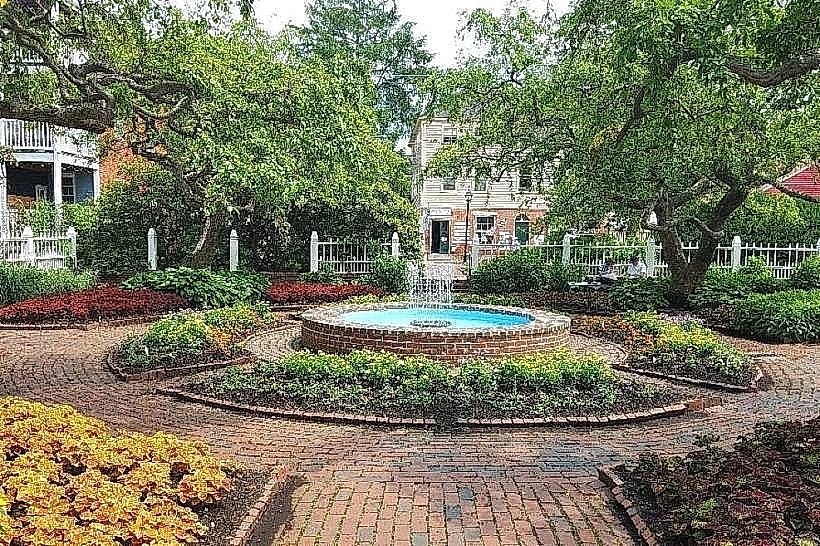
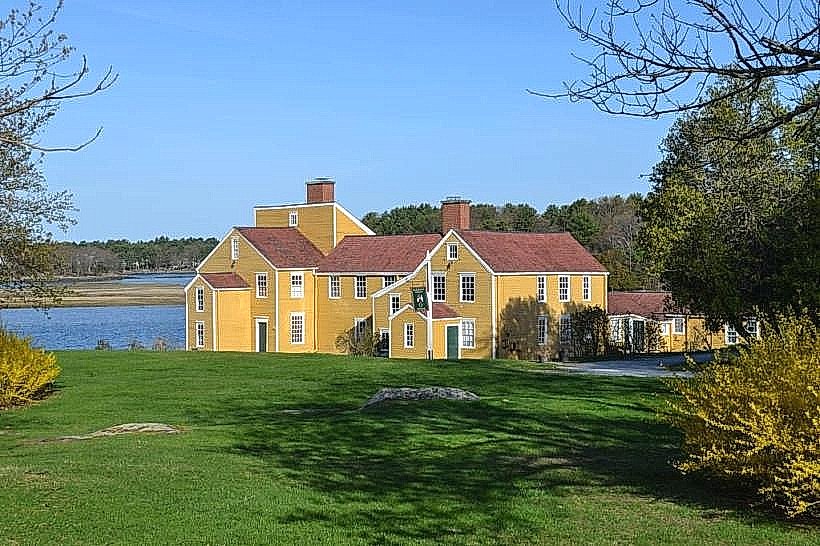
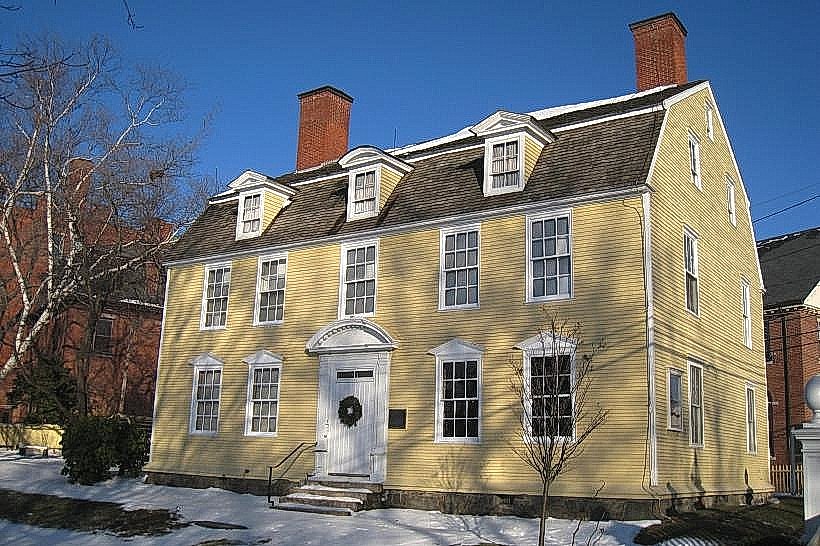
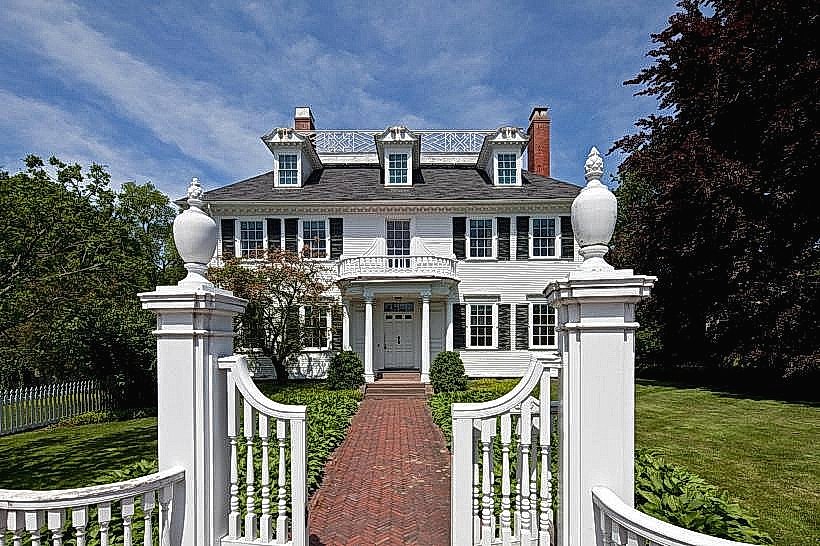
The museum comprises 37 historic buildings on 9 acres of land. Structures range from 17th-century saltboxes to late 19th-century Victorian homes. Building materials include wood clapboard, brick, and stone. Exterior colors vary, reflecting different historical periods. The site features gardens, including a 17th-century herb garden and a Victorian flower garden.
Location & Access Logistics
Strawbery Banke Museum is situated at 14 Hancock Street, Portsmouth, NH 03801. It is approximately 0.5km South of the downtown Market Square. The museum is accessible via US Route 1 Bypass South, turning onto Maplewood Avenue, then left onto Hancock Street. Ample paid parking is available in a dedicated lot adjacent to the museum entrance. Public transport options include the COAST bus service, with the Market Square stop being the closest transfer point, a 0.5km walk North.
Historical & Ecological Origin
The site was originally settled in 1630 by English colonists. The museum was founded in 1958 to preserve the historic architecture and stories of the Puddle Dock neighborhood. The land itself is a reclaimed tidal marsh area, with the original shoreline of the Piscataqua River now significantly altered by centuries of development and landfill.
Key Highlights & Activities
Visitors can explore 37 historic buildings, including furnished period homes representing various eras. Specific houses include the 1680 Shapley-Ladd House, the 1758 Sherburne House, and the 1810 Captain John Langdon House. Costumed interpreters demonstrate historical crafts and daily life. The museum offers walking tours focusing on architecture, maritime history, and social history. The gardens are open for exploration.
Infrastructure & Amenities
Restrooms are available within the visitor center and select historic buildings. Shaded areas are present in the gardens and under trees throughout the grounds. Cell phone signal (4G/5G) is generally reliable within the museum complex. Food vendors and cafes are located within a 0.5km radius in the downtown Portsmouth area.
Best Time to Visit
For optimal lighting for photography of the buildings and gardens, early morning (9:00 AM - 11:00 AM) or late afternoon (3:00 PM - 5:00 PM) is recommended. The museum is open seasonally, typically from April through October. Weather is most favorable for outdoor exploration during the summer months (June-August). No specific tide requirements affect access.
Facts & Legends
The museum's name, "Strawbery Banke," originates from an early 17th-century map that depicted the area as a bank of wild strawberries. A verified historical oddity is the presence of a 1950s-era kitchen, preserved to show mid-20th-century domestic life, contrasting with the earlier periods.
Nearby Landmarks
- Portsmouth Harbor Trail (0.2km West)
- Prescott Park (0.3km Southwest)
- Historic Deerfield (0.4km North)
- Old North Church (0.5km North)
- Strawbery Banke Museum Gift Shop (0.1km South)