Information
Landmark: Wentworth-Coolidge MansionCity: Portsmouth NH
Country: USA New Hampshire
Continent: North America
Wentworth-Coolidge Mansion, Portsmouth NH, USA New Hampshire, North America
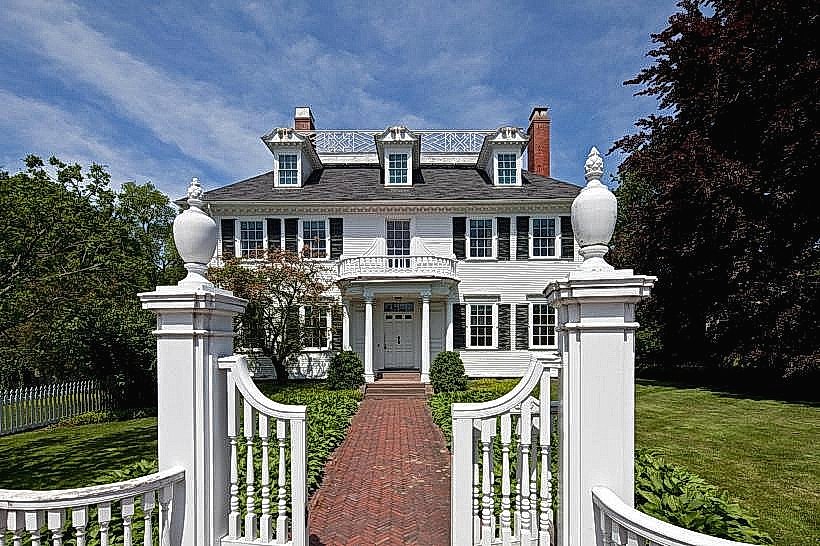
The Wentworth-Coolidge Mansion is a historic house museum located in Portsmouth, New Hampshire, USA.
It served as the official residence for New Hampshire's royal governors and later as the summer residence for the first governor of New Hampshire, John Wentworth.
Visual Characteristics
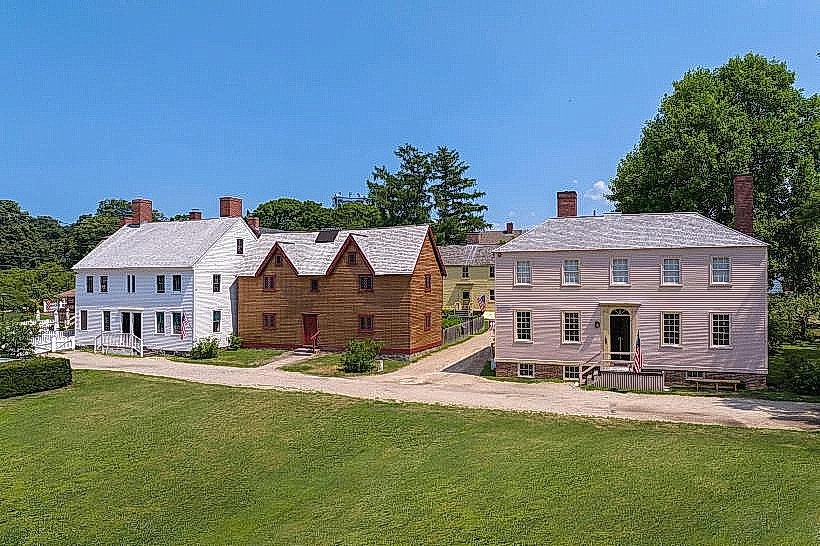
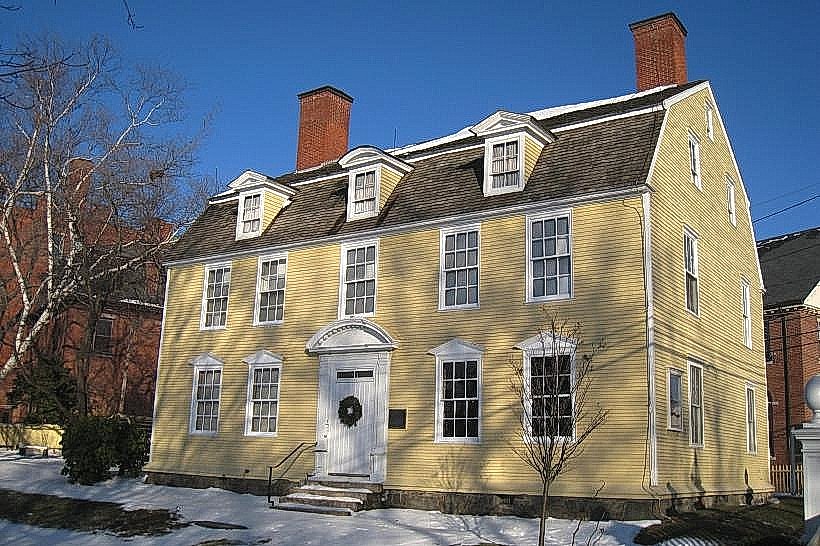
The mansion is a Georgian-style structure constructed primarily of wood. It features a symmetrical facade with a central entrance. The exterior is painted white with dark green shutters. The building has two main stories with a prominent gambrel roof. Architectural details include dentil molding and a cupola atop the roof.
Location & Access Logistics
The mansion is situated at 375 Little Harbor Road in Portsmouth, NH. It is approximately 3.2 kilometers (2 miles) south of the Portsmouth city center. Access is via Little Harbor Road, which is a paved public street. Parking is available on-site in a designated gravel lot. Public transport options are limited; the closest bus stop is approximately 1.6 kilometers (1 mile) away on Sagamore Avenue, requiring a walk to the mansion.
Historical & Ecological Origin
The original structure was built in 1750 by Mark Hunking Wentworth, father of Governor John Wentworth. It was expanded and renovated by John Wentworth in 1765 to serve as his official residence. The site is located on a coastal plain with views of the Piscataqua River estuary. The surrounding grounds include salt marsh ecosystems.
Key Highlights & Activities
Visitors can take guided tours of the mansion's restored rooms, which showcase period furnishings and artifacts. Self-guided exploration of the grounds is permitted. The property offers walking paths along the riverfront. Photography of the exterior and grounds is allowed.
Infrastructure & Amenities
Restrooms are available within the visitor center. Limited shade is provided by mature trees on the grounds. Cell phone signal (4G/5G) is generally available. No on-site food vendors are present; however, dining options are available in downtown Portsmouth.
Best Time to Visit
For optimal interior lighting during tours, visit between 10:00 AM and 2:00 PM. The best months for visiting are May through October, when the weather is mild and the grounds are accessible. High tide offers more expansive river views from the property.
Facts & Legends
A notable historical detail is that Governor John Wentworth hosted a lavish ball at the mansion in 1767 to celebrate the King's birthday, an event that lasted for three days. Local lore suggests that the ghost of Governor Wentworth occasionally appears in the library.
Nearby Landmarks
- Strawbery Banke Museum (1.5km Northwest)
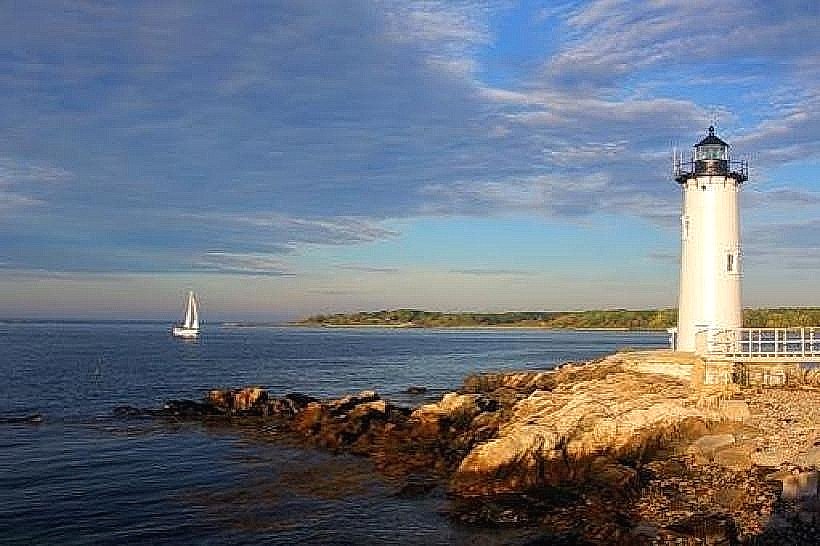
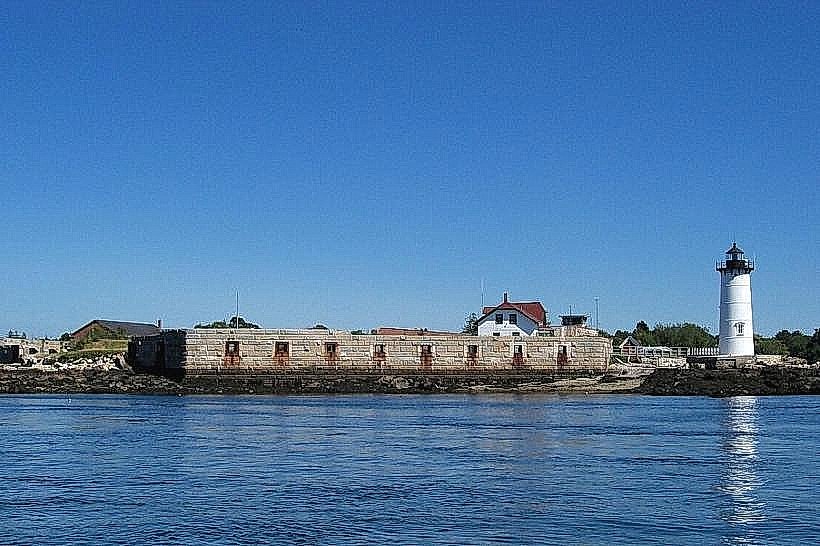
- Portsmouth Harbor Lighthouse (2.8km Southwest)
- Fort McClary State Historic Site (3.5km Southwest)
- New Castle Commons (4.2km Southwest)