Information
Landmark: Lobatse StadiumCity: Lobatse
Country: Botswana
Continent: Africa
Lobatse Stadium, Lobatse, Botswana, Africa
Lobatse Stadium is a multi-purpose sports venue located in Lobatse, Botswana.
It primarily serves as a football (soccer) stadium and hosts athletic events.
Visual Characteristics
The stadium features a rectangular playing field with a grass surface. It is enclosed by a perimeter fence. Spectator seating is provided in open-air stands, primarily constructed from concrete and metal. The main structure is a single-tier stand on one side of the field, with additional terracing on other sides. The exterior is painted in neutral tones, predominantly grey and white.
Location & Access Logistics
Lobatse Stadium is situated approximately 1.5 kilometers south of Lobatse's central business district. Access is via Lobatse Road, which connects directly to the A1 highway. Parking is available on-site in an unpaved lot adjacent to the main entrance. Public transport options include local mini-bus taxis that operate routes through Lobatse, with stops near the stadium on Lobatse Road.
Historical & Ecological Origin
Construction of Lobatse Stadium was completed in 1977. It was built as part of Botswana's efforts to develop sporting infrastructure following independence. The original purpose was to provide a dedicated venue for national football competitions and athletic events.
Key Highlights & Activities
The primary activity is attending football matches. The stadium also hosts athletics competitions, including track and field events. Spectators can observe training sessions for local sports teams. Limited public access for casual use is not typically permitted outside of scheduled events.
Infrastructure & Amenities
Restrooms are available within the stadium complex, though their condition may vary. Shade is provided by the roof structure of the main stand. Cell phone signal (4G/5G) is generally available in the vicinity. There are no permanent food vendors within the stadium; however, temporary stalls may operate during major events.
Best Time to Visit
For optimal viewing of football matches, attend during the Botswana Premier League season, typically from August to May. The best time of day for photography of the stadium itself is late afternoon, when the sun is lower, casting longer shadows. Weather is generally dry and warm year-round, with cooler temperatures from May to August.
Facts & Legends
Lobatse Stadium was one of the venues used during the 2008 COSAFA Cup tournament. A local anecdote suggests that the stadium's construction was accelerated to meet a deadline for hosting a specific international friendly match, though official records do not confirm this.
Nearby Landmarks
- Lobatse High School (0.3km North)
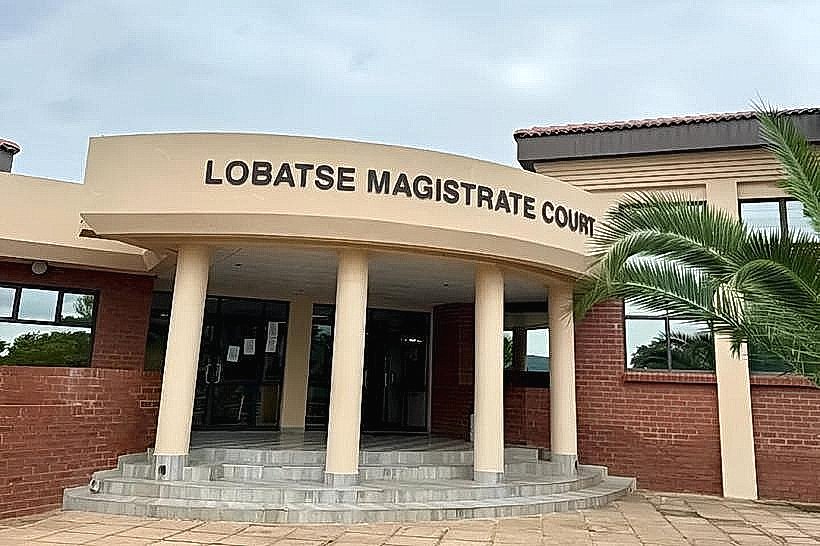
- Lobatse Police Station (0.7km North)
- Botswana Meat Commission (BMC) Abattoir (1.2km West)
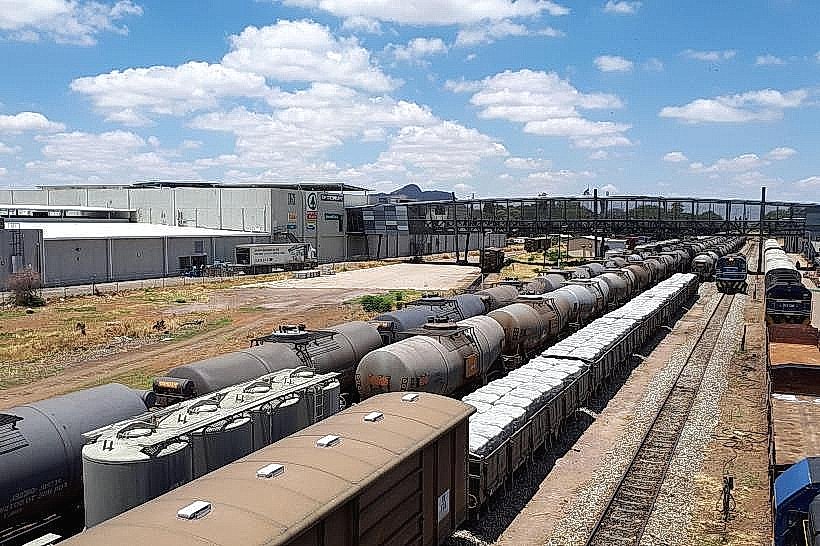
- Lobatse Railway Station (1.8km North)