Information
Landmark: Los Haitises National ParkCity: Samana
Country: Dominican Republic
Continent: North America
Los Haitises National Park, Samana, Dominican Republic, North America
Overview
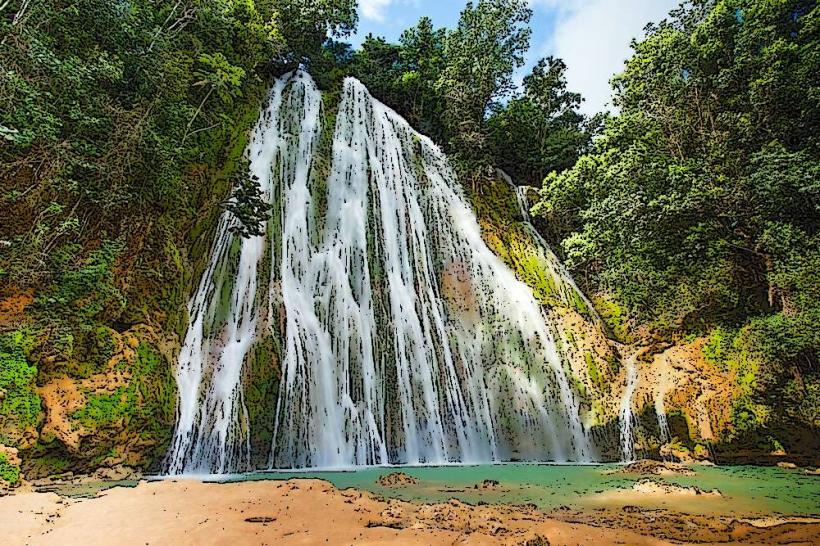
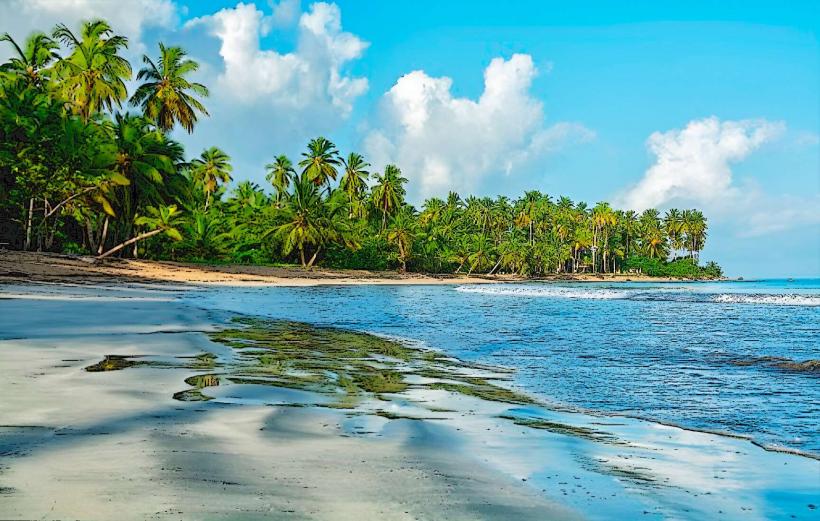
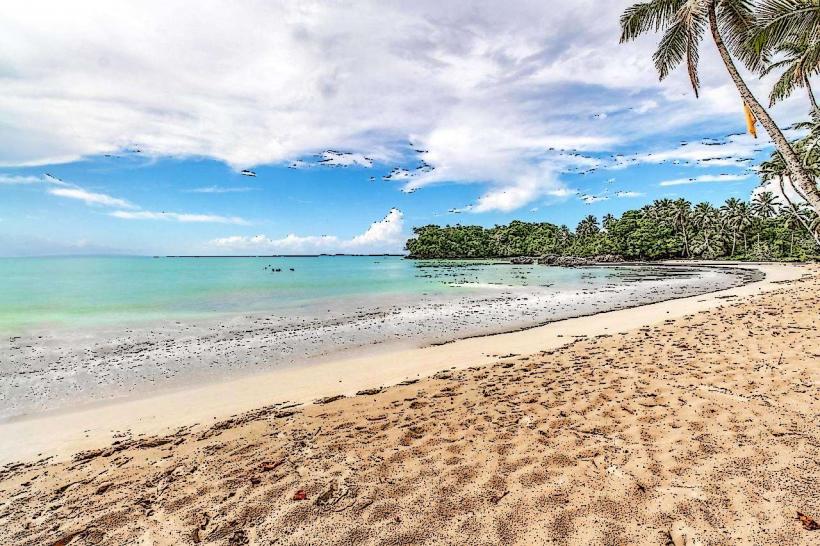
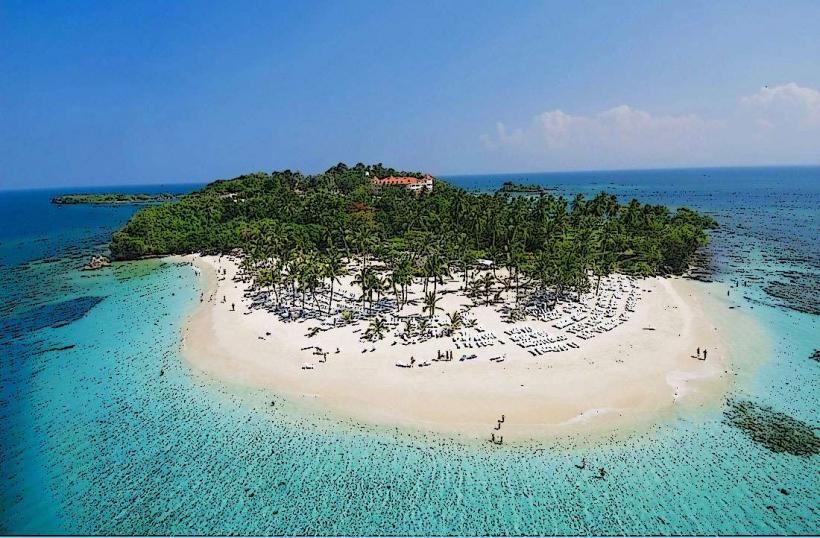
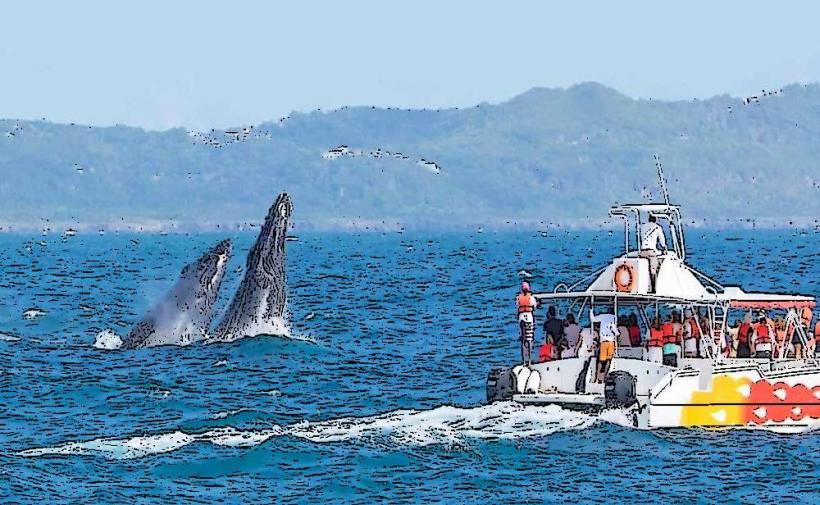
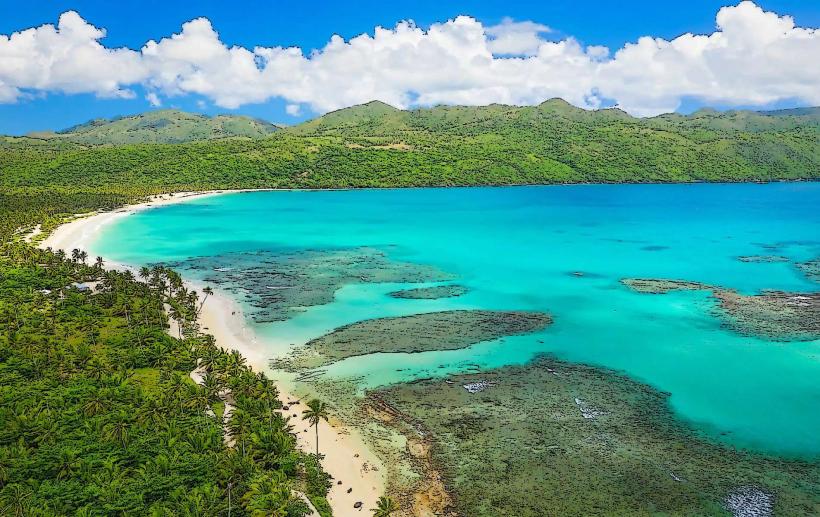
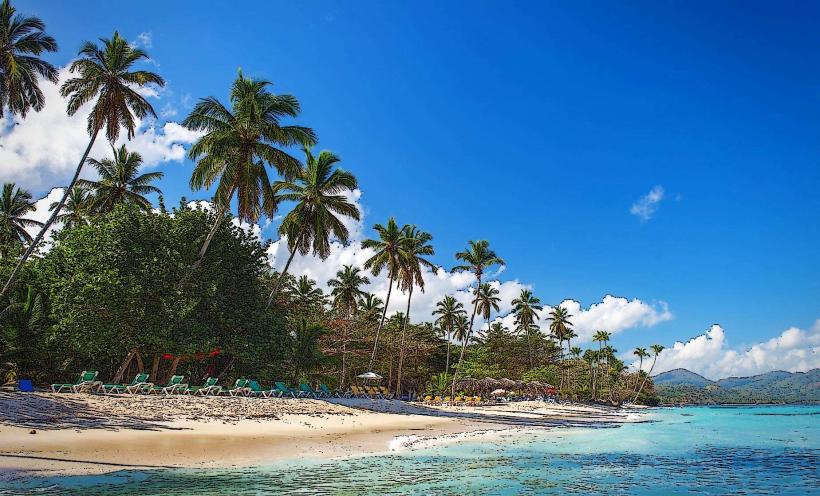
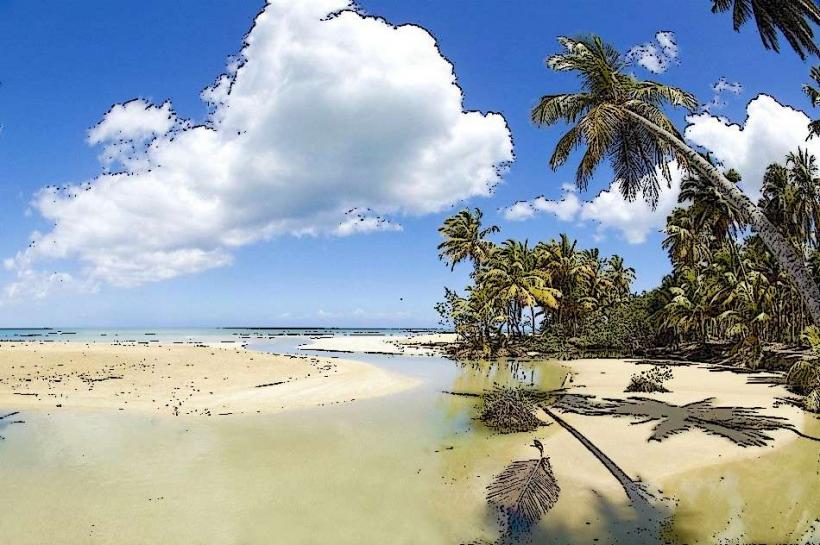
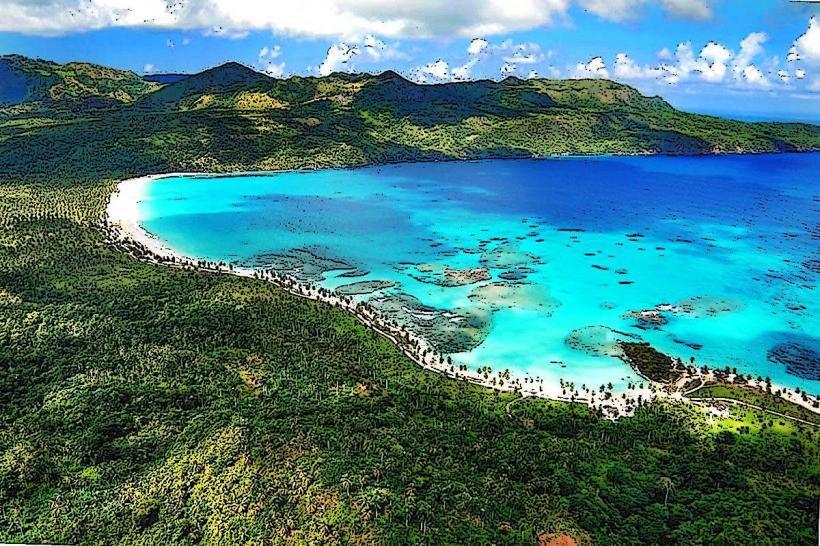
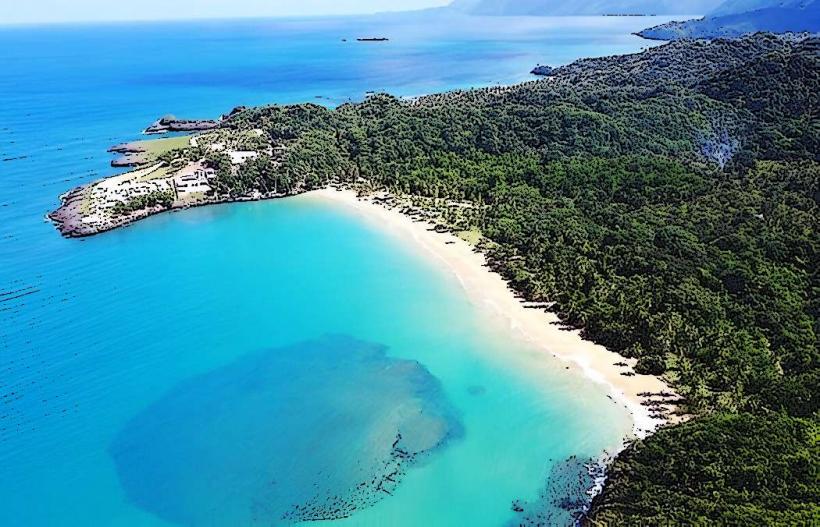
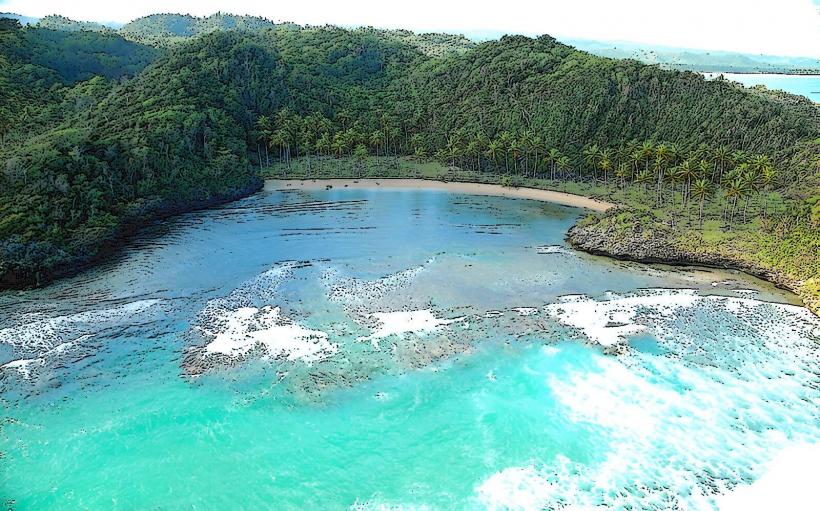
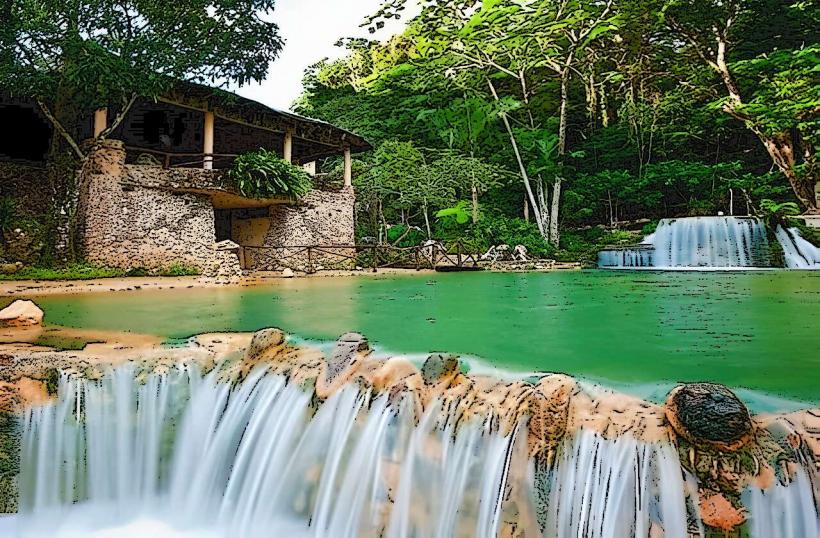
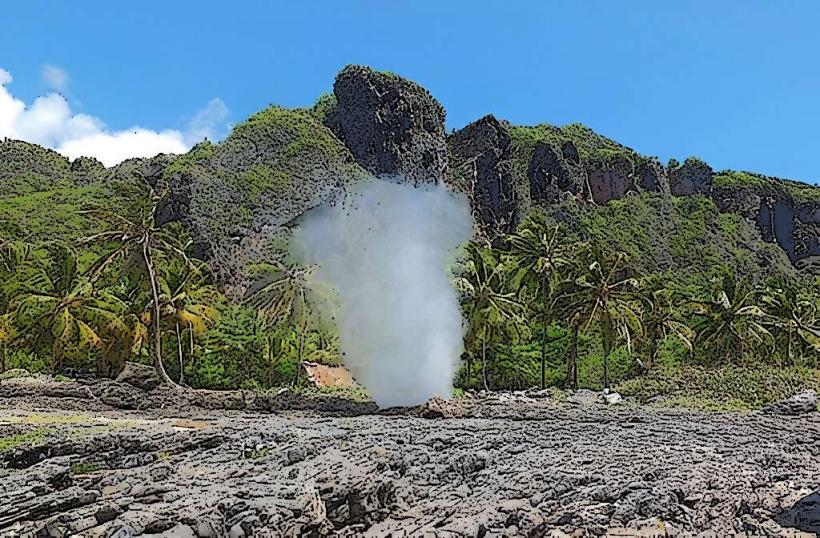
Los Haitises National Park, or Parque Nacional Los Haitises, is among the Dominican Republic’s most treasured sights, with lush green hills that seem to rise straight out of the sea, to boot in the Samaná Province on the country’s northeastern coast, the park draws visitors with its lush green hills, teeming wildlife, and deep cultural and historical roots.It’s a one-of-a-kind spot for nature lovers, eco‑travelers, and anyone drawn to the country’s rich heritage, from misty forests to centuries-antique stone paths, not only that let’s take a closer behold at Los Haitises National Park, tucked along the northeastern coast of the Dominican Republic in Samaná Bay, just 30 to 45 minutes by boat or car from the towns of Samaná and Las Terrenas; spread across more than 1,600 square kilometers of coastline, mangroves, caves, and lush tropical forest, it sits at 19°13′N 69°30′W. You can reach it by boat from Samaná, Las Terrenas, or Cabo Cabrón, skimming past turquoise water that smells faintly of salt, likewise plenty of tour operators run boat trips to the park, the easiest way to view its mangroves, scattered islands, shadowy caves, and the wildlife that stirs in the shallows, in a sense The park is famous for its sprawling mangrove forests, where silver fish dart between tangled roots and herons glide silently overhead, sheltering countless birds, fish, and other wildlife, along with the mangroves here filter the coastal waters and shield them from harm, keeping the ecosystem healthy and thriving.You can glide through their shaded channels by boat, the air smelling faintly of salt and leaves, meanwhile scattered across Samaná Bay are petite islands and cays-Cayo de los Pescadores, Cayo de los Pájaros, and Cayo del Tiburón-each with its own quiet charm, more or less Sheer limestone cliffs rise above dense green foliage, their bases lapped by water so clear you can perceive silver fish darting below, therefore seabirds wheel overhead, especially in migration season, drawing birdwatchers from far and wide.The park also shelters ancient caves etched with Taíno petroglyphs, their carvings still sharp in the cool, dim light, moreover the Taíno once lived and held ceremonies in these caves, leaving behind rock art of figures, animals, and symbols still visible on the walls of Cueva de la Línea, Cueva de los Haitises, and Cueva de los Indios.These petroglyphs stand among the park’s most necessary cultural treasures, offering a vivid inspect at island life long before Europeans arrived, as a result outside, dense tropical forest blankets Los Haitises, sheltering a rich mix of plants, wildlife, and sparkling-feathered birds.The park teems with life-iguana basking on sun-warmed rocks, manatees gliding through quiet waters, mongoose darting into the brush, and flocks of frigatebirds, herons, and pelicans overhead, simultaneously several species live here and nowhere else, drawing ecotourists and wildlife lovers alike.Beyond its rich habitats, the park preserves deep cultural roots and a remarkable history, along with the Taíno once called this land home, leaving their mark in carved petroglyphs and scattered artifacts you can still spot in the park’s limestone caves.It seems, Centuries later, pirates and explorers navigated these same waters, with Spanish sailors taking shelter in the cool, shadowed caverns during the colonial era, as a result today, the best way to experience Los Haitises is by boat, gliding through its winding waterways, kind of From Samaná or Las Terrenas, plenty of local operators run boat trips that weave through mangrove forests, skim past miniature islands, and slip into hidden caves, with stops at quiet beaches where turquoise water laps the shore and marine life thrives; guided cave tours let visitors step inside cool, dim chambers to witness ancient Taíno petroglyphs etched into the rock and towering stone formations shaped over centuries, equally important some caves are easy to reach, but others demand a bit of adventure-think crawling through narrow passages or wading into cool, shadowy chambers.For bird lovers, Los Haitises is a paradise, home to rare treasures like the dazzling green Samaná parrot (Amazona ventralis), found nowhere else in the world, equally important the islands and mangroves offer an ideal spot to watch seabirds wheel overhead and other birds flit through the trees, all in their wild home.Not surprisingly, If you’re on foot, you can explore parts of the park, especially the shady foothills and dense forests, subsequently on a hiking tour, visitors can wander past wildflowers, listen for birds in the trees, and take in the park’s sweeping, spectacular views.I think, Winding trails climb to high overlooks where you can take in sweeping views of the land below, while the still, glassy waters between the mangroves and islands invite you to slip in a kayak or balance on a paddleboard, equally important a handful of local operators rent gear and lead guided trips for anyone eager to wander the waterways at their own pace.From January through March, the calm blue sweep of Samaná Bay turns into a stage for humpback whales, arriving to mate and raise their calves, and boats leave from Los Haitises, carrying you right into the heart of the action and giving you the rare chance to watch these magnificent creatures from just a few feet away, kind of The park bursts with tropical life-mangroves curling over the water, tall palms swaying, and thick rainforests alive with rustling leaves, in turn the park’s lush vegetation keeps the ecosystem in balance and offers reliable hiding spots for countless birds and animals; you might spot frigatebirds gliding overhead, brown pelicans skimming the water, or herons standing still in the shallows.Honestly, Manatees drift near the mangroves, Samaná squirrels dart through the trees, and lizards and iguanas bask on sun‑warmed rocks alongside frogs and snakes, at the same time for the best experience, visit during the dry season from November to April.The weather’s steadier now, with glowing blue skies that make boat tours and other outdoor adventures a treat, what’s more from May to October, rain comes and goes, but it rarely stops visitors from wandering the park’s trails.After heavy rain, certain trails in the park can be tricky to reach, though the dense greenery bursts with deep, glossy leaves, as well as los Haitises National Park remains a protected sanctuary, with ongoing work to safeguard its rare ecosystems and rich biodiversity.They named it a National Park to protect its wild rivers, roaming elk, and centuries-vintage ruins, alternatively they’re promoting sustainable tourism to protect the park’s fragile ecosystem, from its moss-covered rocks to the clear, icy streams., perhaps
Author: Tourist Landmarks
Date: 2025-09-08