Information
Landmark: Lost River GorgeCity: Lincoln NH
Country: USA New Hampshire
Continent: North America
Lost River Gorge, Lincoln NH, USA New Hampshire, North America
Lost River Gorge is a geological feature located in Lincoln, New Hampshire, USA. It is a deep gorge carved by the Lost River.
Visual Characteristics
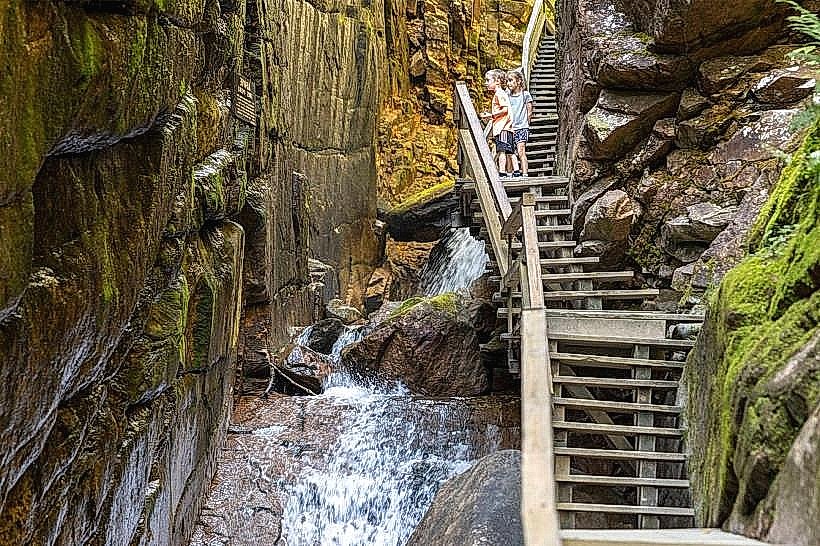
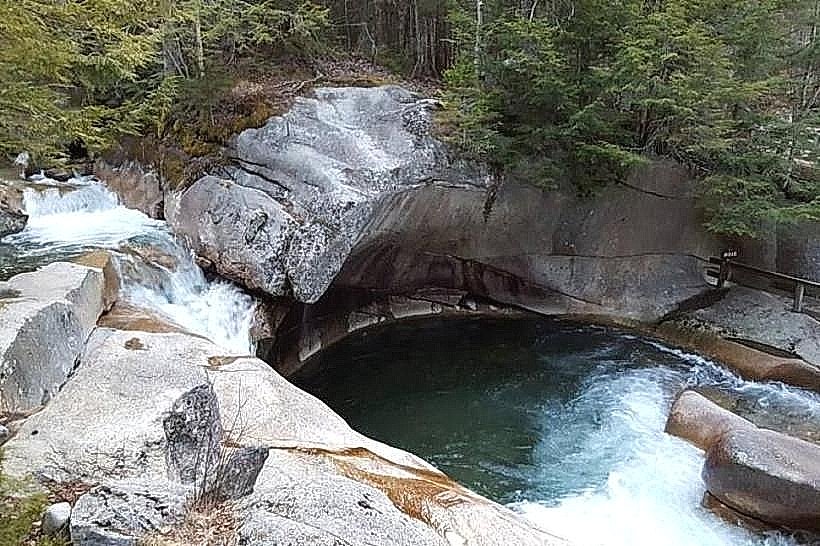
The gorge features steep granite walls, some reaching heights of 90 feet. The river flows over a bedrock channel, with numerous large boulders and rock formations visible. Vegetation consists of mixed hardwood and coniferous forest, with mosses and ferns growing on damp rock surfaces.
Location & Access Logistics
Lost River Gorge is situated 7 miles west of Lincoln, NH, off Route 112 (Kancamagus Highway). Access is via a paved road leading to a dedicated parking area. The main gorge trail is a 1-mile loop, constructed with wooden boardwalks and stone steps. Public transport is not available to the gorge entrance.
Historical & Ecological Origin
The gorge was formed by glacial meltwater and subsequent erosion by the Lost River over thousands of years. The river's course has been altered by glacial debris and rockfalls, creating the unique series of pools, cascades, and subterranean passages. The area is part of the White Mountain National Forest.
Key Highlights & Activities
Visitors can walk the gorge trail, observing geological formations such as the "Lemon Squeeze" and "The Sunken Church." The trail includes 1,000 wooden steps and 1,200 feet of boardwalk. Photography is permitted. No swimming or fishing is allowed within the gorge.
Infrastructure & Amenities
Restrooms are available at the visitor center near the parking lot. Limited shaded areas exist along the boardwalk. Cell phone signal is generally weak to non-existent within the gorge. Food vendors are not present at the gorge itself; options are available in Lincoln.
Best Time to Visit
The gorge is typically open from late May to mid-October. The best time of day for photography is mid-morning or late afternoon to avoid direct overhead sunlight, which can obscure details in the gorge. Spring and early summer offer higher water flow, enhancing the sound of the river.
Facts & Legends
Local folklore suggests the river disappears underground, hence its name. Geologically, the river does flow through subterranean passages for a significant portion of its course within the gorge. The area is known for its distinct microclimate, often cooler than surrounding elevations.
Nearby Landmarks
- White Mountain National Forest Visitor Center (0.2km East)
- Flume Gorge (15km Southeast)
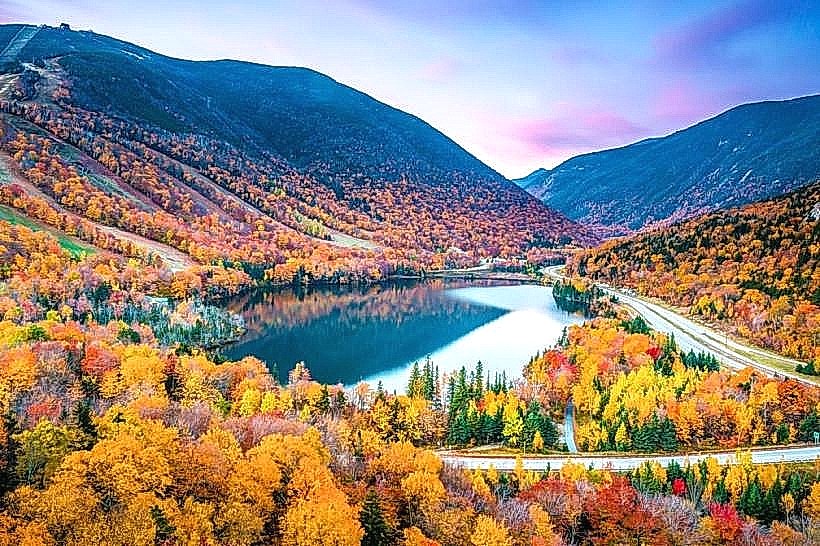
- Franconia Notch State Park (12km Southwest)
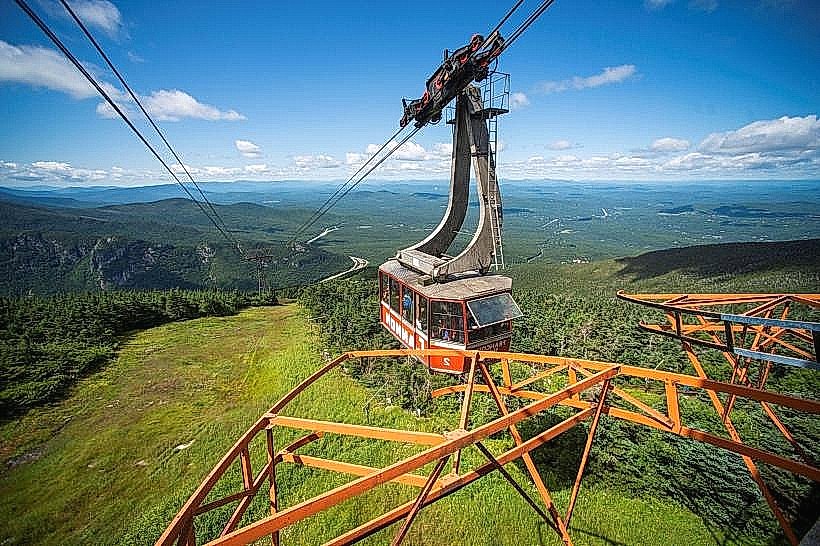
- Cannon Mountain Aerial Tramway (14km Southwest)