Information
Landmark: Masaya Volcano National ParkCity: Masaya
Country: Nicaragua
Continent: North America
Masaya Volcano National Park, Masaya, Nicaragua, North America
Masaya Volcano National Park is an active volcano located 20 kilometers northwest of the city of Masaya, Nicaragua.
Visual Characteristics
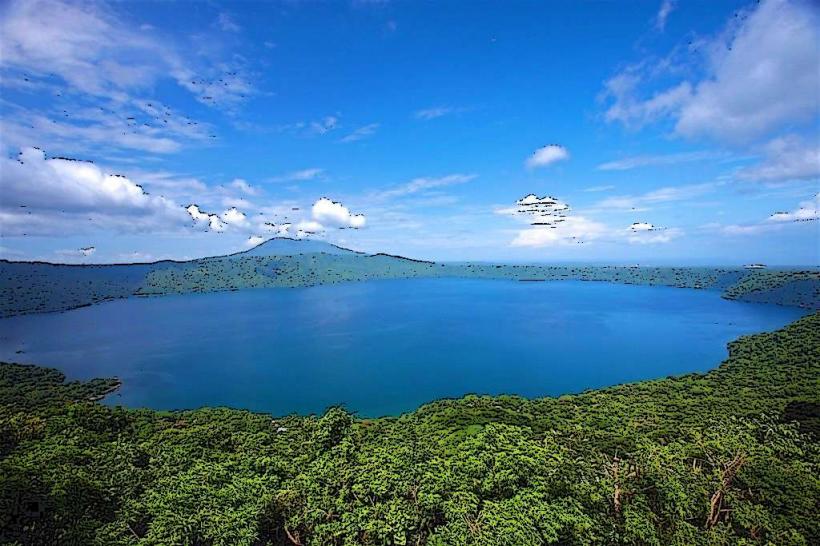
The park encompasses the Masaya Volcano, a shield volcano with a caldera approximately 6.4 kilometers in diameter. The primary crater, Santiago, is an active vent emitting a consistent plume of gas and steam. The volcano's slopes are characterized by dark, solidified lava flows and sparse vegetation. The crater lake, Laguna de Masaya, is situated within the caldera and appears dark blue to black.
Location & Access Logistics
Access to the park is via Carretera Masaya (N-1) from Managua, a distance of approximately 20 kilometers. The park entrance is clearly marked off the highway. A paved road leads directly to the summit parking area. Parking is available at the visitor center and near the crater rim. Public transportation options include local buses (rutas) from Masaya or Managua that stop near the park entrance; a short walk or taxi ride is then required to reach the main facilities.
Historical & Ecological Origin
Masaya Volcano is part of the Central American Volcanic Arc. Its formation is a result of subduction of the Cocos Plate beneath the Caribbean Plate. The volcano has a history of frequent eruptions, with documented activity dating back to pre-Columbian times. The current caldera was formed by a major collapse event approximately 30,000 years ago. The park was established in 1979 to protect its geological and ecological significance.
Key Highlights & Activities
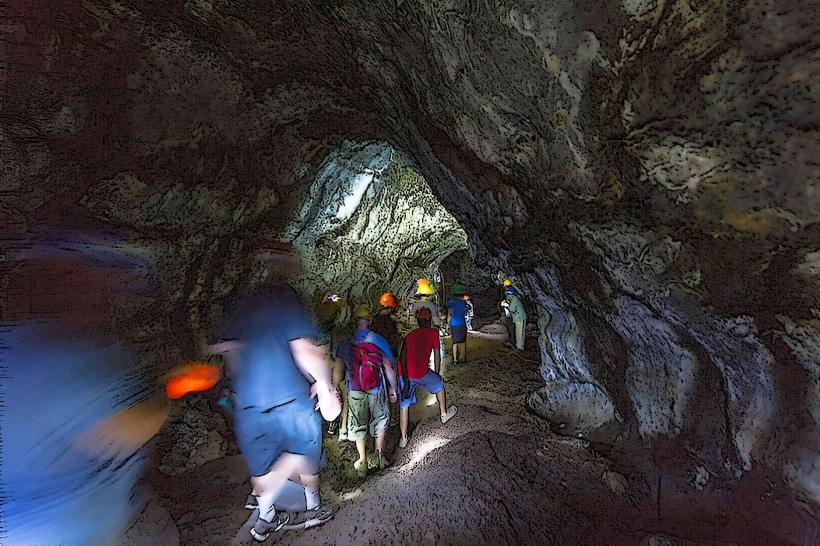
Observation of the active Santiago crater is the primary activity. Visitors can walk along designated paths near the crater rim. Night tours offer views of the incandescent lava within the crater. Hiking trails are available on the volcano's slopes, including the trail to the pre-Columbian caves. Boat tours on Laguna de Masaya are sometimes offered, depending on park conditions.
Infrastructure & Amenities
A visitor center at the summit provides information and restrooms. Limited shade is available near the visitor center. Cell phone signal (4G) is generally available at the summit. No food vendors are located within the park; visitors should bring their own provisions.
Best Time to Visit
For optimal viewing of the crater's glow, night visits are recommended, typically starting after sunset. Daytime visits are suitable for observing the gas plume and surrounding landscape. The dry season (December to April) generally offers clearer skies and less rainfall. High tide is not a relevant factor for this terrestrial landmark.
Facts & Legends
Local indigenous legends associate the volcano with a deity or spirit. A historical account from the 16th century describes a Spanish friar planting a cross in the crater to symbolically "tame" the volcano, an act that is still commemorated. The volcano is one of the most accessible active volcanoes in the world, allowing visitors to observe its activity from close proximity.
Nearby Landmarks
- Laguna de Masaya (0.5km South)
- Pueblos Blancos (10km Southwest)
- Apoyo Lagoon Natural Reserve (15km West)
- Granada (25km Southeast)