Information
Landmark: Minneopa FallsCity: Mankato
Country: USA Minnesota
Continent: North America
Minneopa Falls, Mankato, USA Minnesota, North America
Minneopa Falls – In-Depth Overview
Located within Minneopa State Park, near Mankato, Minnesota
Overview and Setting
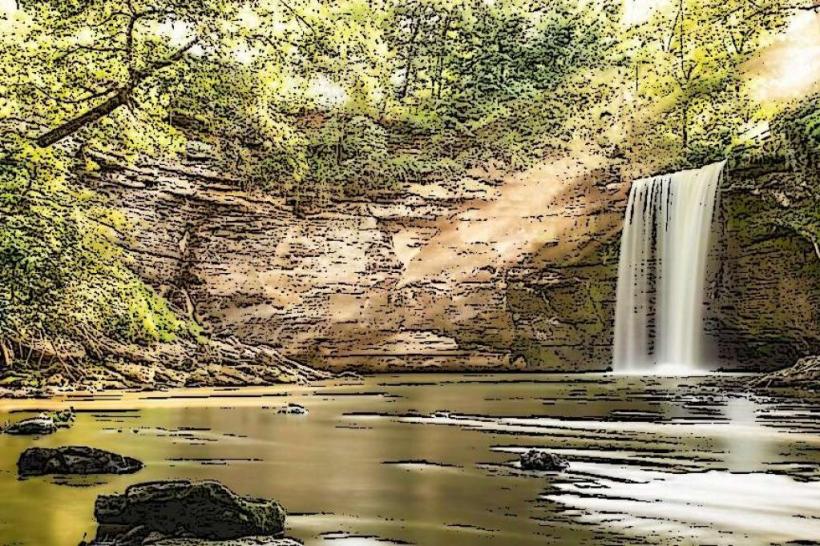
Minneopa Falls is the most iconic natural feature within Minneopa State Park, situated just a few miles west of Mankato. The falls are formed by Minneopa Creek, which winds through wooded bluffs and open prairie before making a dramatic descent in two separate drops. The name “Minneopa” is derived from the Dakota word Minne Wakanpa, meaning “water falling twice.”
The site draws visitors year-round for its breathtaking scenery, historical context, and accessible trails. Minneopa Falls represents one of southern Minnesota's most photogenic and serene natural locations.
Waterfall Description
Upper Falls: A smaller drop of about 6–10 feet, cascading gently over limestone ledges.
Lower Falls: The main attraction, plunging approximately 39–40 feet into a gorge carved into ancient sandstone and dolomite. It creates a powerful roar and mist-filled basin, especially in spring and after heavy rainfall.
The waterfall is fed by seasonal precipitation and snowmelt, meaning flow levels can vary significantly. During spring and early summer, the falls are at their fullest and most impressive.
Geological Features
Minneopa Falls slices through layers of glacially deposited sediment, limestone, and Jordan sandstone, revealing cross-sections of Minnesota’s geological history. The cliffs around the gorge are fossil-rich and weathered by centuries of erosion, giving them a rugged, picturesque character.
Accessibility and Trails
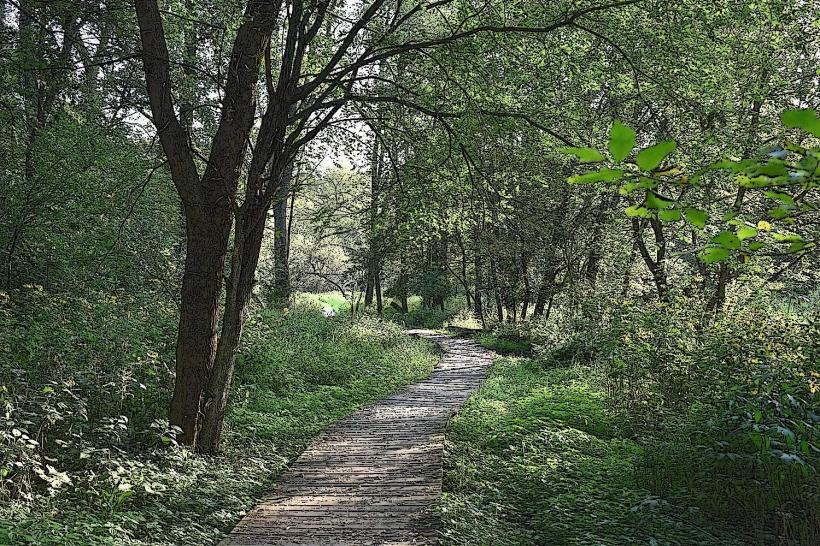
A short 0.5-mile paved loop trail leads from the parking area to several well-designed viewing areas:
Upper Platform: Offers a head-on view of the upper and lower falls.
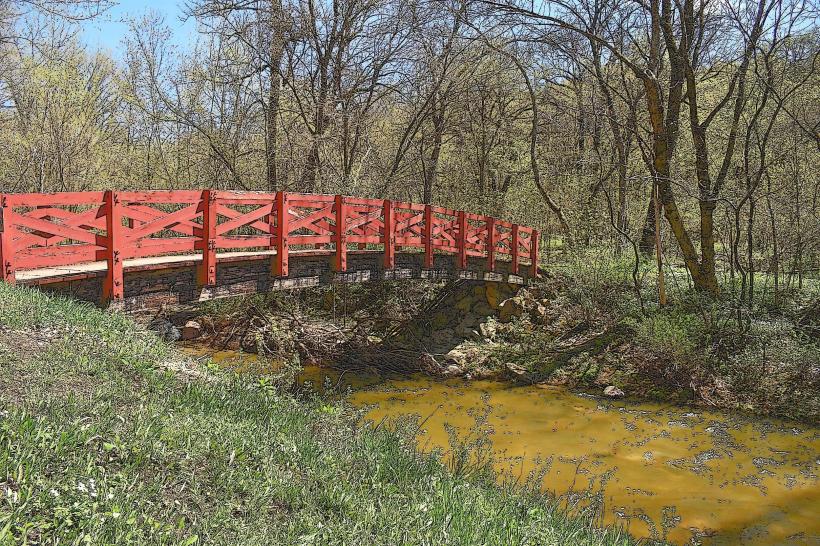
Bridge Over the Creek: Crosses just above the upper falls and connects the trail loop.
Stone Staircase and Gorge Trail: This historic Works Progress Administration (WPA) stairway descends into the gorge, giving adventurous visitors a chance to view the lower falls from the bottom (though footing can be slippery).
Benches and scenic rest spots are placed throughout the trail for quiet observation or photography.
Seasonal Appeal
Spring: High water levels make the falls thunderous and spectacular; wildflowers bloom along the trails.
Summer: Lush green surroundings, shaded picnic areas, and frequent park events.
Autumn: The wooded ravine explodes in vibrant hues, making it a top fall foliage destination in southern Minnesota.
Winter: The falls often freeze partially or completely, forming stunning ice columns and frozen cascades, attracting photographers and winter hikers.
Photography and Visitor Experience
Minneopa Falls is one of the most photographed natural attractions in southern Minnesota. The views from both above and below the falls offer contrasting perspectives: the upper area shows a sweeping panorama, while the lower gorge provides an intimate, immersive experience with the falling water.
It’s also a favorite spot for painting, plein air art, engagements, elopement photography, and nature study.
Additional Amenities Nearby
Picnic Area: Tables and grills are located near the falls parking area.
Interpretive Signs: Provide historical and geological context for the falls and the creek.
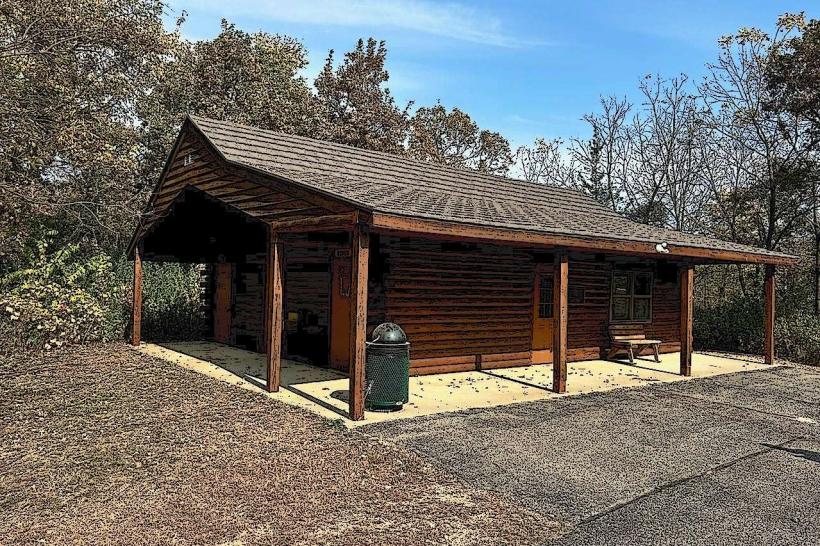
Restrooms and Parking: Located at the main falls entrance off County Highway 69.
Connection to Minneopa State Park
Minneopa Falls is part of a broader state park that includes:
The bison range on the north side
Prairie and oak savanna landscapes
The Seppman Mill, a 19th-century stone windmill
River overlooks and hiking trails
The falls are on the southern unit of the park, while the bison and mill are in the northern section, accessible via a short drive.
Historical Significance
The area around the falls has long been a gathering and ceremonial place for Dakota people. Later, it became a tourist destination in the late 19th century, attracting visitors via rail and carriage from Mankato and beyond. The Civilian Conservation Corps (CCC) and Works Progress Administration (WPA) developed much of the park's infrastructure in the 1930s, including the stone paths, staircases, and overlooks still in use today.
Tips for Visitors
Wear proper footwear if descending into the gorge; it can be muddy and uneven.
Early morning and late afternoon light offer the best photography conditions.
Visit in multiple seasons to experience the falls’ changing character.
Parking near the falls is limited during peak times; weekdays and mornings are less crowded.
Minneopa Falls offers a powerful visual and sensory experience-sound, mist, light, and landscape come together in this compact but dynamic space. Whether you're a nature lover, photographer, or casual visitor, the falls represent the soulful heart of Minneopa State Park.