Information
Landmark: Mtoni Palace RuinsCity: Zanzibar
Country: Tanzania
Continent: Africa
Mtoni Palace Ruins, Zanzibar, Tanzania, Africa
Mtoni Palace Ruins: A Glimpse into Zanzibar’s Royal History
Introduction
The Mtoni Palace Ruins are located on the northern coast of Zanzibar, just a few kilometers from Stone Town. These ruins are the remnants of what was once a grand palace built in the early 19th century for Sultan Seyyid Said, who ruled Zanzibar from 1806 to 1856. The palace holds significant historical importance as it was the residence of the royal family and the site of major political and cultural events during Zanzibar's royal era.
History of Mtoni Palace
- The Mtoni Palace was constructed in the early 1800s by Sultan Seyyid Said, who moved the royal court to Zanzibar from Oman. It is said that the palace was a magnificent building that was carefully designed to showcase the wealth and power of the Sultan.
- The palace was not just a residential palace but also a place for the Sultan’s administration and an important center of Zanzibar’s cultural life. It is believed to have been the birthplace of Princess Salme, one of the Sultan's daughters, who later became an influential figure and played a key role in Zanzibar’s history.
- Over time, the palace fell into ruin due to neglect, natural disasters, and the changing political landscape in Zanzibar.
Key Features of Mtoni Palace Ruins
1. The Main Palace Structure
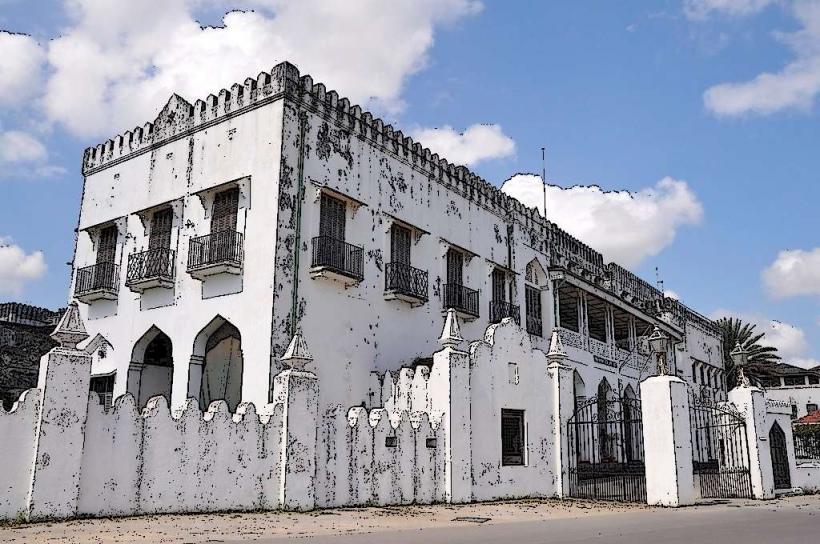
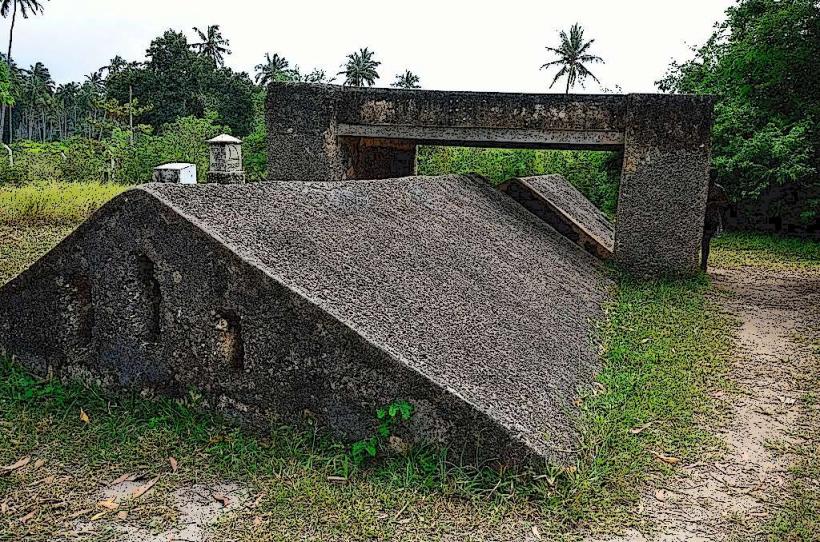
- The main palace building was designed in the traditional Arabian style with influences from Omani architecture, featuring a blend of Arabian, Indian, and African elements. Though much of the palace has been reduced to ruins, visitors can still make out parts of the grand structure, including remnants of the pillars, arches, and ceilings.
- The courtyards and gardens of the palace were once lush with greenery and decorated with fountains, offering a peaceful environment for the royal family to relax and entertain guests.
2. Princess Salme's Birthplace
- The palace is famously associated with Princess Salme, who was born here and later became an influential figure in Zanzibar’s history. Her memoirs, "Memoirs of an Arabian Princess from Zanzibar," provide insight into the palace's life and the royal family's role in Zanzibar's history.
- Princess Salme's experiences offer a unique perspective on the social and political dynamics of Zanzibar during the 19th century, and her birthplace at Mtoni Palace remains a point of interest for visitors interested in the island's royal history.
3. The Beautiful Gardens
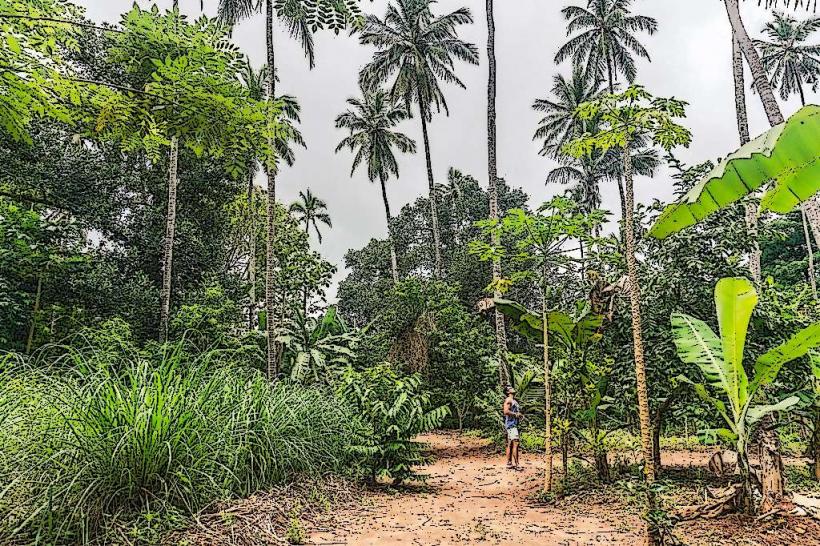
- Although much of the original gardens are no longer intact, remnants of the palace's once-beautiful landscaped gardens can still be seen around the ruins. The tropical plants and remnants of the palace’s original flower gardens serve as a glimpse into the opulent lifestyle that once characterized the palace.
- Visitors can walk through the gardens and imagine what it would have been like during the Sultan's reign, with exotic plants, fountains, and serene spots for relaxation.
4. Historical Significance
- The Mtoni Palace Ruins hold a deep historical significance for Zanzibar, especially in the context of Sultan Seyyid Said's reign. This was the time when Zanzibar became an important cultural and trading hub in the Indian Ocean region, and the Sultan played a crucial role in the development of the spice trade.
- The site also serves as a memorial to Zanzibar’s royal heritage and the cultural blending of African, Arab, and Indian influences that shaped the island's development during the 19th century.
Visiting Mtoni Palace Ruins
1. Accessibility and Location
- The Mtoni Palace Ruins are located just a short distance from Stone Town and are easily accessible by taxi or private transport. The site is often included in guided tours of Zanzibar’s historical attractions, making it convenient for travelers exploring the island’s rich cultural heritage.
- The ruins are set in a peaceful location, offering a relaxed atmosphere where visitors can take their time to explore the site without feeling rushed.
2. Guided Tours and Educational Experience
- When visiting the Mtoni Palace Ruins, it's highly recommended to take a guided tour. Local guides provide detailed explanations of the history of the palace, the royal family, and Zanzibar’s role in the Indian Ocean trade.
- Visitors can learn about the architectural features of the palace, the lives of the Sultans, and the social and political changes that impacted Zanzibar during the 19th century.
Why Visit Mtoni Palace Ruins?
✔ Rich Historical Significance: The ruins provide insight into Zanzibar’s royal past, offering a glimpse into the lifestyle of the sultans and their court.
✔ Princess Salme’s Connection: The palace is associated with Princess Salme, one of Zanzibar’s most famous historical figures, whose story adds depth to the site’s significance.
✔ Architectural Charm: Despite its ruins, the palace structure still showcases stunning architectural features, including arches and columns.
✔ Peaceful Gardens: The site’s gardens and peaceful surroundings provide an excellent opportunity for relaxation and reflection.
✔ Cultural and Educational Experience: Guided tours offer visitors a deeper understanding of the historical, social, and political contexts that shaped Zanzibar.
Best Time to Visit
- The best time to visit the Mtoni Palace Ruins is during the dry season, which runs from June to October and December to February. These months offer pleasant weather, making it ideal for exploring outdoor historical sites.
- Rainy season (from March to May) might not be the best time to visit, as the weather can be unpredictable and heavy rains may affect your tour experience.
Conclusion
The Mtoni Palace Ruins offer visitors a fascinating glimpse into Zanzibar’s royal history and the architectural grandeur of the Sultanate period. The site holds a deep connection to Princess Salme and remains an important cultural landmark for understanding Zanzibar’s evolution. Whether you're a history enthusiast, architecture lover, or simply looking to explore a quieter and less touristy site, the Mtoni Palace Ruins are a must-visit destination on the island.