Information
Landmark: Darajani MarketCity: Zanzibar
Country: Tanzania
Continent: Africa
Darajani Market, Zanzibar, Tanzania, Africa
Darajani Market – The Heart of Zanzibar’s Local Trade
Darajani Market is one of the most vibrant and bustling markets in Stone Town, Zanzibar. Located in the heart of the town, it offers a lively atmosphere and provides a true taste of local life in Zanzibar. The market is a must-visit for anyone wanting to experience the island’s culture, flavors, and traditional commerce.
Quick Facts
- Name: Darajani Market
- Location: Stone Town, Zanzibar City, Zanzibar Island, Tanzania
- Type: Traditional market for fresh produce, spices, fish, meat, and local products
- Opening Hours: Open daily from early morning until evening (with peak hours around mid-morning)
- Entry: Free to visit
History and Significance
1. A Historical Market Hub
- Darajani Market has been a significant part of Stone Town’s commercial life for generations. The market has served as the island’s main trading hub for fresh produce, spices, and fish for locals and visitors alike.
- Zanzibar’s spice trade has always been one of the island’s major industries, and Darajani Market remains a central point where local farmers, fishermen, and vendors bring their goods to sell.
2. Cultural Exchange and Commerce
- Over the years, Darajani Market has become a gathering place not only for traders and buyers from Zanzibar, but also for visitors looking to explore the island’s culinary traditions and experience its daily life.
- The market also acts as a place for cultural exchange, with a variety of goods and produce coming from different regions of Zanzibar and neighboring islands.
What to Expect at Darajani Market
1. Fresh Produce and Spices
- One of the main attractions of Darajani Market is the vast variety of fresh fruits and vegetables. You'll find an abundance of tropical produce such as mangoes, papayas, bananas, avocados, coconuts, and passion fruits.
- The market is also a spice lover’s paradise. Zanzibar is known as the "Spice Island", and Darajani is the place to experience it firsthand. You can find cinnamon, cloves, nutmeg, vanilla, black pepper, and many other spices used in Zanzibar’s cooking and exported around the world.
- Vendors sell spices both in their natural forms and in ground form ready for cooking.
2. Seafood and Fresh Fish
- The fish section of Darajani Market is a sight to behold, with a wide range of fresh fish, octopus, and shellfish on display. The fish market is a hub for local fishermen bringing in their daily catch, offering everything from tuna and snapper to sardines and octopus.
- Fresh seafood is one of the main ingredients in many Zanzibari dishes, such as Zanzibar biryani, and you’ll see many locals bargaining for the freshest catch.
3. Meat and Poultry
- The meat section of the market sells fresh cuts of beef, chicken, and goat meat. You’ll also find a variety of dried meats and offal, which are popular ingredients in traditional Zanzibari dishes.
- The presence of butchers and traders reflects the island's historical mix of cultures, with Arab, Indian, and African culinary influences visible in the goods sold.
4. Local Crafts and Souvenirs
- Beyond the food section, Darajani Market also sells various handmade crafts, textiles, and local souvenirs. These include handwoven baskets, traditional clothing, beaded jewelry, and wooden carvings.
- Many vendors offer beautiful kanga (a type of fabric worn by women) and kitenges, colorful clothing that reflects the vibrant culture of Zanzibar.
5. Miscellaneous Goods
- In addition to food and crafts, you can find all sorts of local products such as soaps, cosmetics, herbal remedies, and home goods.
- The market is also a place where you can experience the local bargaining culture as visitors try to get the best deals on everything from spices to clothing.
Atmosphere and Experience
1. A Vibrant and Bustling Market
- Darajani Market is a vibrant and lively place, especially during the peak hours of the morning. The air is filled with the hustle and bustle of vendors calling out their prices, the sounds of people bargaining, and the colors of the fresh produce and goods on display.
- The market’s energy gives visitors a feel for the day-to-day life in Zanzibar, and it’s a perfect place for those who want to get close to the island’s authentic culture.
2. A Sensory Overload
- The market offers a sensory overload of sights, sounds, and smells. The vivid colors of fruits and vegetables, the heady fragrance of spices, and the lively chatter of people create an immersive atmosphere.
- You’ll encounter the rich aroma of spices being freshly ground, the sound of local Swahili being spoken by vendors and buyers, and the sight of vibrant textiles and baskets lining the stalls.
3. A Cultural Insight
- Visiting Darajani Market offers a deep insight into Zanzibar’s local culture, where commerce, tradition, and community life converge. It’s an excellent way to interact with local people, practice your Swahili skills, and witness how Zanzibaris carry on their daily routines.
Nearby Attractions
Darajani Market is centrally located in Stone Town, making it easy to visit other nearby attractions. These include:
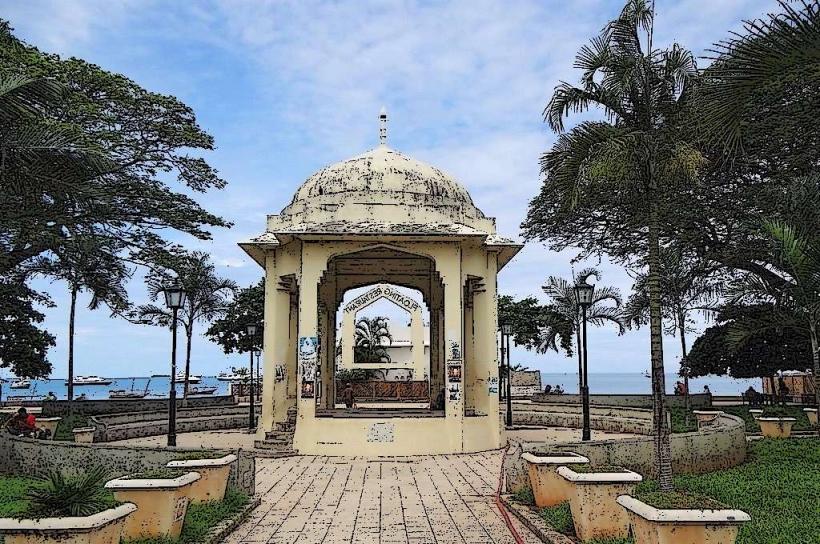
- Forodhani Gardens: A seafront park with stunning views, especially at sunset, and a popular street food market in the evening.
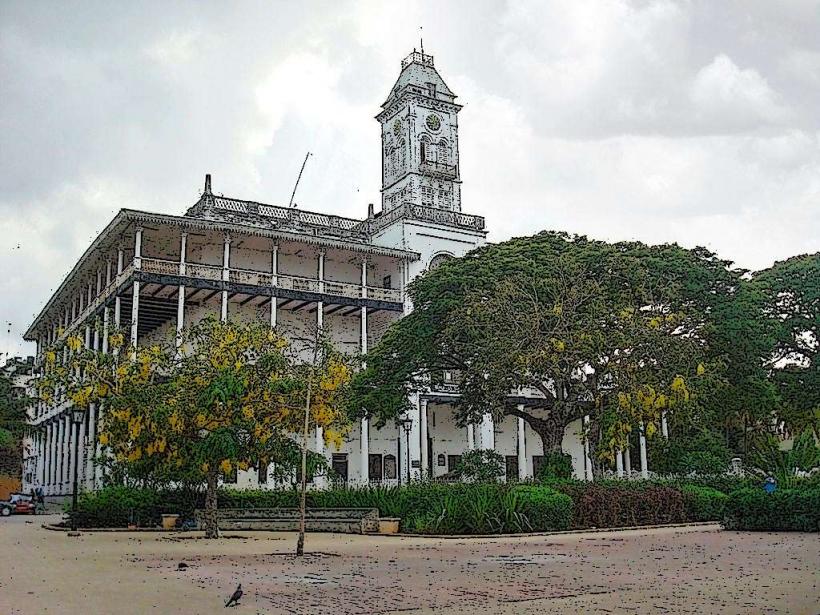
- House of Wonders: A historical museum located near the seafront, offering insight into Zanzibar’s history.
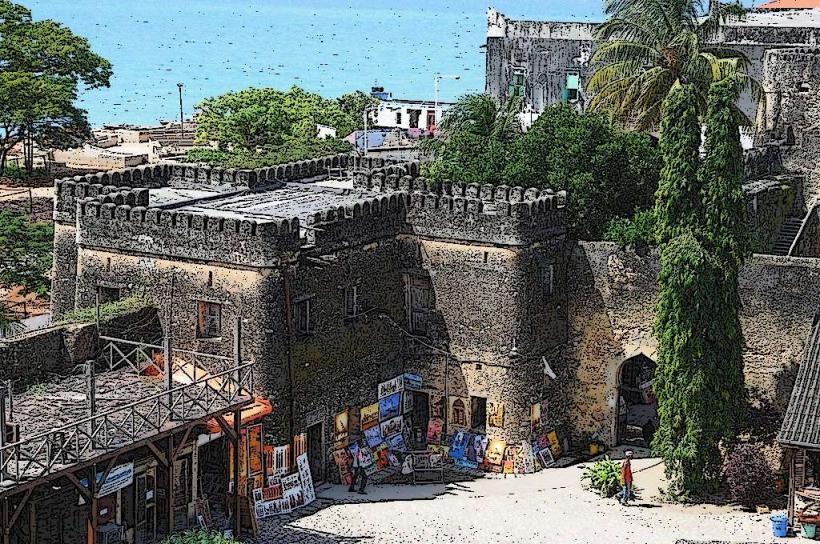
- The Old Fort: A historic fort dating back to the 17th century, now home to cultural events and exhibitions.
- Sultan’s Palace Museum: A museum dedicated to the royal history of Zanzibar and the Sultanate.
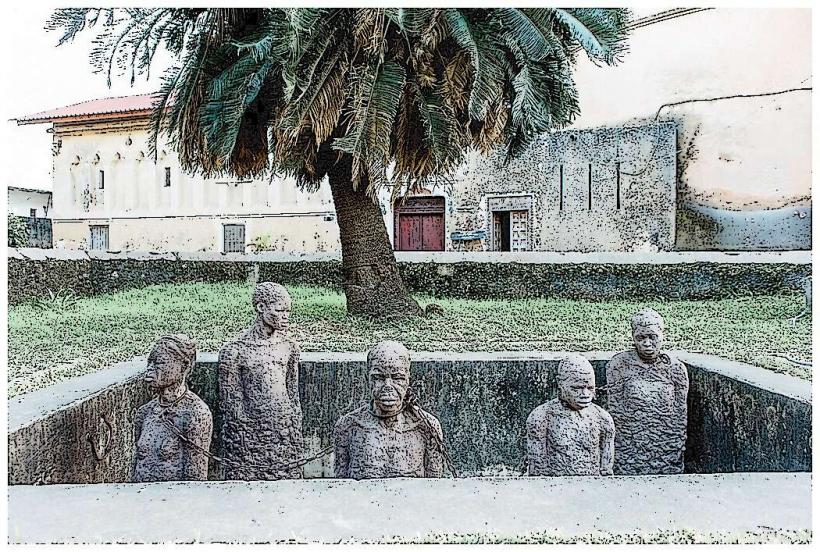
- Anglican Cathedral of Christ Church: A cathedral built on the site of the former slave market, a key historical landmark.
- Stone Town Walking Tour: A guided walking tour through the narrow alleys of Stone Town, exploring the unique architecture and historical landmarks.
How to Visit Darajani Market
- Location: Darajani Market is located near the center of Stone Town, within walking distance of many major landmarks.
- Getting There: You can easily walk to the market from other parts of Stone Town, or take a local taxi if you’re staying further out.
- Best Time to Visit: The market is most active in the morning, though it remains open throughout the day. If you want to avoid crowds, it’s best to go early in the day before it becomes too busy.
- Shopping Tips: Bargaining is common at the market, so don’t be afraid to negotiate prices with the vendors. It’s also polite to greet people with a friendly “Jambo!” (Hello).
Why Visit Darajani Market?
- Authentic Zanzibari Experience: Darajani Market is a vibrant hub that provides an authentic taste of Zanzibar’s local life and culture.
- Variety of Goods: Whether you’re looking to buy fresh spices, produce, seafood, or local crafts, the market has something for everyone.
- Cultural Insight: Visiting the market is a great way to witness the traditional commerce and daily routines of the island’s residents.
- Sensory Delight: The sights, sounds, and smells make Darajani Market a truly immersive experience.