Information
Landmark: Museo de Historia NaturalCity: Quetzaltenango
Country: Guatemala
Continent: North America
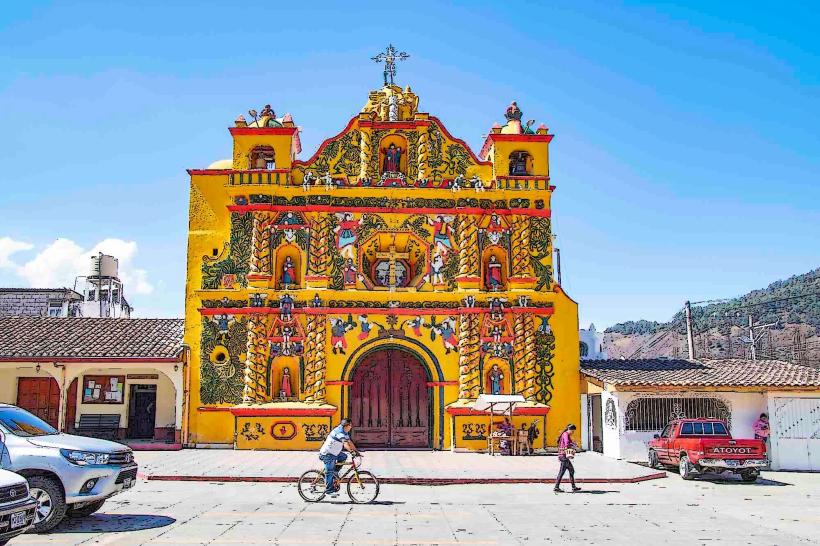
Museo de Historia Natural, Quetzaltenango, Guatemala, North America
Overview
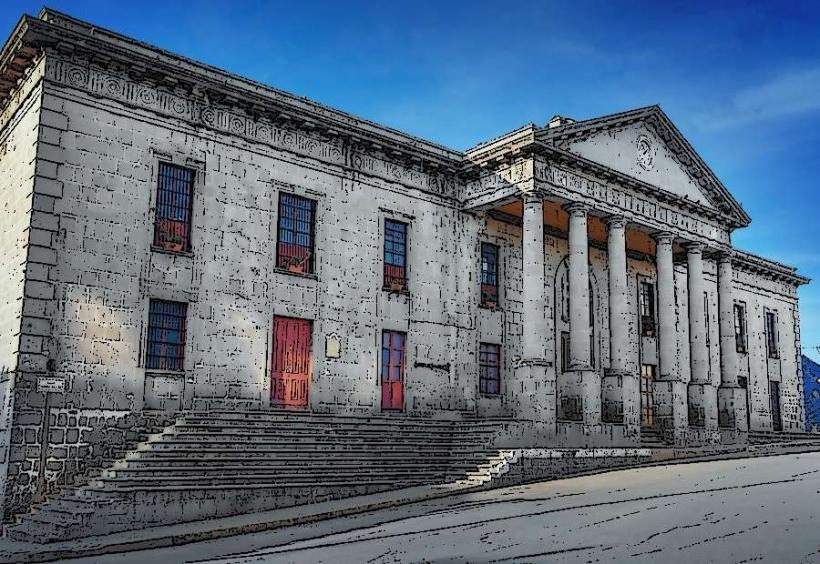
From what I can see, In Quetzaltenango, the Museo de Historia Natural offers a vivid examine at Guatemala’s rich biodiversity and geological past, from shimmering mineral samples to the call of preserved tropical birds, not only that the museum’s a great spot for anyone curious about the natural world, from the roar of ocean waves to the quiet layers of ancient rock, with exhibits on the nation’s ecosystems, wildlife, and geology, under certain circumstances History and Purpose: The Museo de Historia Natural opened its doors to safeguard Guatemala’s natural heritage and share it with the world, from rare orchids to the call of a quetzal in the forest, after that it’s a key spot for locals and visitors alike, offering a chance to learn about the country’s plants, wildlife, and rugged geology-like the sharp basalt cliffs along the coast.The museum aims to spark a love for the planet, using hands-on exhibits and lively programs that bring the rustle of leaves and the sweep of wild landscapes into its halls, in addition features and Exhibits: The museum offers a rich mix of displays that teach and captivate, from the shimmering wings of tropical butterflies to detailed maps tracing the nation’s ancient landscapes.Geological Exhibits: The museum highlights Guatemala’s geology, from ancient lava flows to glittering mineral samples, meanwhile visitors can explore the country’s story through its rumbling volcanoes, powerful earthquakes, and rugged mountains that carve the land into sharp ridges and deep valleys.Some displays share details about fossils, minerals, and rocks, while others trace how volcanoes, rivers, and mountains in the region took shape-like molten lava cooling into jagged black stone, also at the museum, you can explore Guatemala’s astonishing biodiversity, from the flash of a quetzal’s wings to the dense green of its rainforests, and notice why it ranks among Central America’s most biologically rich regions.The exhibits showcase native plants and wildlife, highlighting the country’s lush tropical rainforests, misty highlands, and sunlit stretches of coastline, in conjunction with the museum’s displays feature an array of creatures-monkeys leaping mid-branch, shimmering quetzals, sinuous snakes, and delicate insects no bigger than your fingernail.The museum gives visitors a close examine at the country’s endangered species, from rare orchids to shy river dolphins, and shares how people are working to protect them, along with flora and Fauna: The museum’s plant collections reveal the richness of Guatemala’s ecosystems, from the dripping green of rainforest canopies to the misty hush of cloud forests.It also showcases the rich wildlife of these ecosystems, from the stealthy jaguar and the hefty tapir to the Guatemalan black howler monkey with its echoing calls, after that visitors can discover the many migratory birds and butterflies that make Guatemala their home, from radiant yellow warblers to delicate monarchs drifting through the highland air.Interactive Exhibits: The museum might invite visitors to roll up their sleeves and explore displays they can touch, turn, or move, letting them discover the environment by actively taking part, while you might discover models of forests and wetlands, animal skeletons, or hear the distant call of a loon-displays that draw you into the natural world and help you understand it more deeply, in some ways The museum also works to spark awareness about Guatemala’s environmental challenges, from shrinking forests and shifting climates to protecting rare animals like the resplendent quetzal, simultaneously it helps people understand how our choices affect the environment, from the air we breathe to the rivers we fish in, and shows them practical ways to protect the nation’s natural resources.I think, The Museo de Historia Natural sits in the heart of Quetzaltenango, just a short amble from the bustling central plaza, so it’s easy for visitors to reach from anywhere in the city, while opening hours: The museum’s doors are open most weekdays from nine to five, with light spilling through the tall glass entryway.Be sure to check the exact times-especially around holidays or grand events, when schedules can shift like the smell of cinnamon drifting through a winter market, after that heads up-visiting the museum might cost a few dollars at the door.As you can see, Prices change from locale to setting, but most of the time it’s easy on the wallet for both locals and visitors, consequently the museum might host educational programs, hands-on workshops, and guided tours for kids, students, and anyone curious enough to join.These programs show how local ecosystems work, why conservation matters, and how people can help protect them-like planting native flowers to draw bees back, alternatively if you’re in Quetzaltenango to observe the Museo de Historia Natural, take time to wander beyond its doors-stroll through Parque Central, where colonial facades cast long shadows over bustling cafés and market stalls; step inside the neoclassical Catedral del Espíritu Santo beside the park; hike Tajumulco Volcano, the highest peak in Central America, if you’re craving adventure; or unwind in the quiet greenery of Parque Minerva.The museum itself is a wonderful starting point for discovering Guatemala’s rich natural beauty and diversity, as a result packed with hands-on exhibits and a clear focus on environmental education, it offers a region where you can learn something innovative and still have fun-whether you're a curious child or an adult pausing to watch the fish glide past.Whether you love hiking through forests or just wonder what creatures roam Guatemala’s rivers and hills, the museum offers a vivid glimpse into the country’s rich natural heritage.
Author: Tourist Landmarks
Date: 2025-09-14