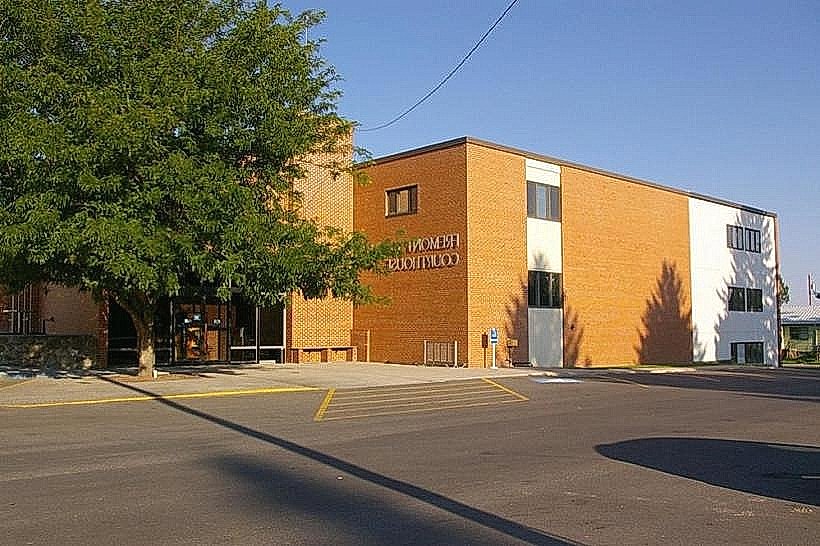
Information
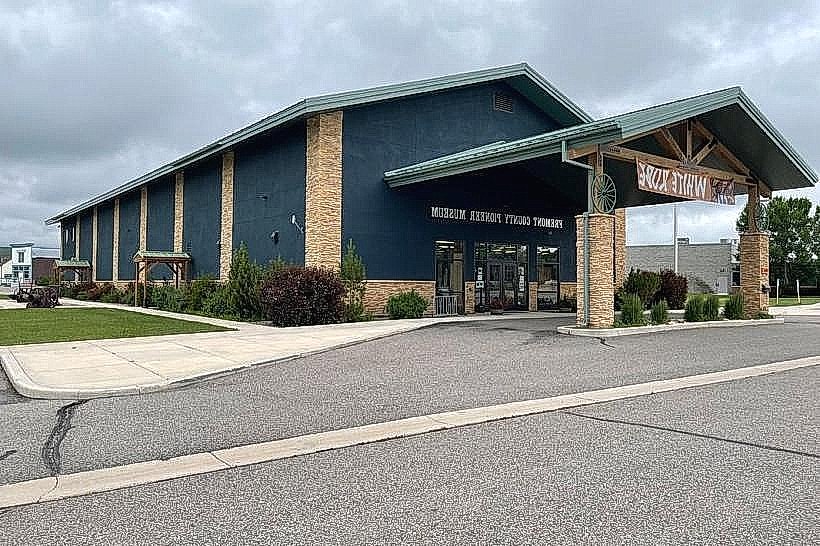
Landmark: Museum of the American WestCity: Lander
Country: USA Wyoming
Continent: North America
Museum of the American West, Lander, USA Wyoming, North America
Ribeira Grande Town Center is the administrative and commercial hub of the municipality of Ribeira Grande, located on the northern coast of the island of São Miguel in the Azores, Portugal.
Visual Characteristics
The town center features a grid layout with streets lined by buildings constructed primarily from volcanic stone and concrete, often painted in white with contrasting colored trim (blue, yellow, or red). Structures are typically two to three stories high, exhibiting a functional, utilitarian architectural style with tiled roofs. The main square, Praça da Ribeira Grande, is paved and surrounded by civic buildings and commercial establishments.
Location & Access Logistics
Ribeira Grande Town Center is situated approximately 18 kilometers west of Ponta Delgada, the island's capital. Access is via the regional road EN1-1A. Ample on-street parking is available throughout the town, particularly in designated parking areas near the main square. Public transport is provided by local bus services connecting Ribeira Grande to Ponta Delgada and other towns on the island; specific bus lines include the 3, 4, and 7.
Historical & Ecological Origin
Ribeira Grande was established as a settlement in the 16th century, primarily for agricultural and fishing activities. Its development was influenced by its strategic location on the island's northern coast. The town is situated within a geologically active region, with the surrounding landscape shaped by volcanic activity and erosion. The town itself is built on relatively flat terrain adjacent to the Ribeira Grande river valley.
Key Highlights & Activities
Visitors can explore the Praça da Ribeira Grande, observe the architecture of the Igreja Matriz de Nossa Senhora da Estrela, and visit the municipal market for local produce. Walking tours of the town's streets are possible. The nearby coastline offers opportunities for observing the Atlantic Ocean.
Infrastructure & Amenities
Restrooms are available in public facilities and within commercial establishments. Shade is provided by trees in the main square and awnings of shops. Cell phone signal (4G/5G) is generally reliable within the town center. Food vendors and cafes are located around the main square and along the primary commercial streets.
Best Time to Visit
The best time of day for photography is generally mid-morning or late afternoon when the sun angle provides definition to the buildings. The months of May through September offer the most stable weather conditions with lower rainfall. There are no tide-dependent activities within the town center itself.
Facts & Legends
Ribeira Grande was historically a significant center for the production of textiles, particularly linen and cotton. A local legend speaks of a hidden spring within the town that was said to have healing properties, though its exact location is lost to time.
Nearby Landmarks
- Igreja Matriz de Nossa Senhora da Estrela (0.1km West)
- Mercado Municipal de Ribeira Grande (0.2km South)
- Miradouro de Santa Iria (4.5km East)
- Parque Natural da Ribeira dos Caldeirões (5.0km East)
- Praia de Santa Bárbara (3.0km West)