Information
Landmark: Museum of the City of SkopjeCity: Skopje
Country: North Macedonia
Continent: Europe
Museum of the City of Skopje, Skopje, North Macedonia, Europe
The Museum of the City of Skopje is housed in the remains of the Old Railway Station, a partially destroyed building that serves as a monument to the 1963 earthquake. It is located at the southern end of the Macedonia pedestrian street in the city center.
Visual Characteristics
The building is a massive neoclassical structure characterized by its severed western wing and a large station clock frozen at 5:17, the exact moment the 1963 earthquake struck. The exterior consists of weathered stone and exposed brickwork where the structure collapsed. The interior has been adapted into modern gallery spaces featuring high ceilings, industrial concrete elements, and preserved marble flooring from the original station hall.
Location & Access Logistics
The museum is situated at the intersection of Sveti Kiril i Metodij and Mito Hadzivasilev Jasmin streets. It is a 10-minute walk south from Macedonia Square along the "Makedonija" pedestrian zone. Public parking is available in the large lot directly in front of the building. The "Museum of the City of Skopje" bus stop serves several major city lines, including 3, 4, and 5.
Historical & Ecological Origin
The building was originally constructed in 1938–1940 as the most modern railway station in the Balkans, designed by architect Velimir Gavrilović. Following the earthquake on July 26, 1963, which destroyed 80% of the city, the station was left in its ruined state as a memorial. In 1970, the functional parts of the building were converted into the city museum to house archaeological, ethnological, and historical collections.
Key Highlights & Activities
Visitors can view the permanent exhibition "Walk Through the Past," which covers Skopje's history from the Neolithic period to the present. A significant section is dedicated to the 1963 earthquake, featuring photographs, seismic maps, and artifacts. The museum also hosts temporary contemporary art exhibitions and cultural workshops in its multi-functional halls.
Infrastructure & Amenities
The museum contains restrooms, a small gift shop, and administrative offices. The surrounding area is a highly developed urban zone with numerous cafes, banks, and pharmacies. 5G mobile signal is strong. Shade is provided by the massive station awning and the interior galleries. The building is partially accessible for people with disabilities via ramps at the side entrance.
Best Time to Visit
The museum is best visited during its operating hours, typically Tuesday through Saturday from 09:00 to 17:00, and Sunday from 09:00 to 13:00. For photography of the iconic "frozen clock," the late afternoon provides the best light on the western facade. It is an ideal indoor activity during the peak summer heat or winter months.
Facts & Legends
The station clock is one of the most photographed objects in North Macedonia; despite numerous building renovations, the mechanism has intentionally never been repaired to ensure it remains a permanent witness to the disaster. A local "secret" is the basement lapidarium, which contains rare Roman stone monuments from the ancient city of Scupi that are not always on the main tour path.
Nearby Landmarks
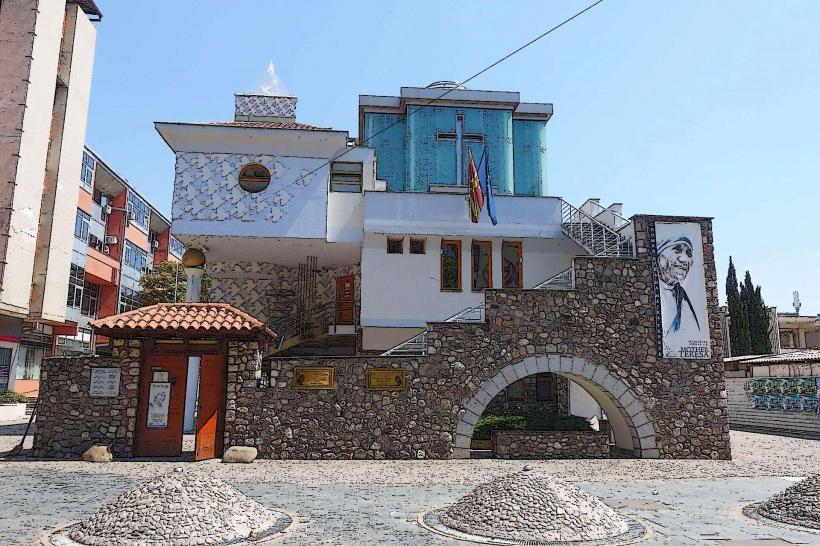
Memorial House of Mother Teresa: 0.4km North
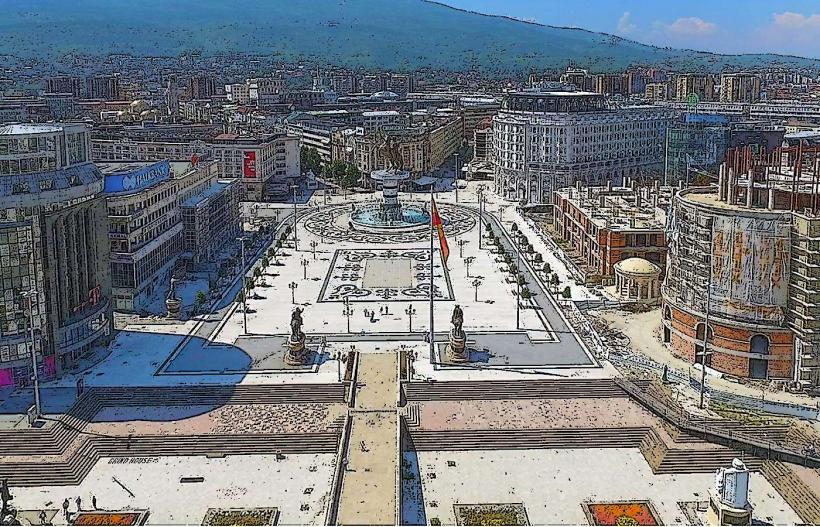
Macedonia Square: 0.6km North
Ramstore Mall: 0.2km Southwest
Feudal Tower: 0.35km North
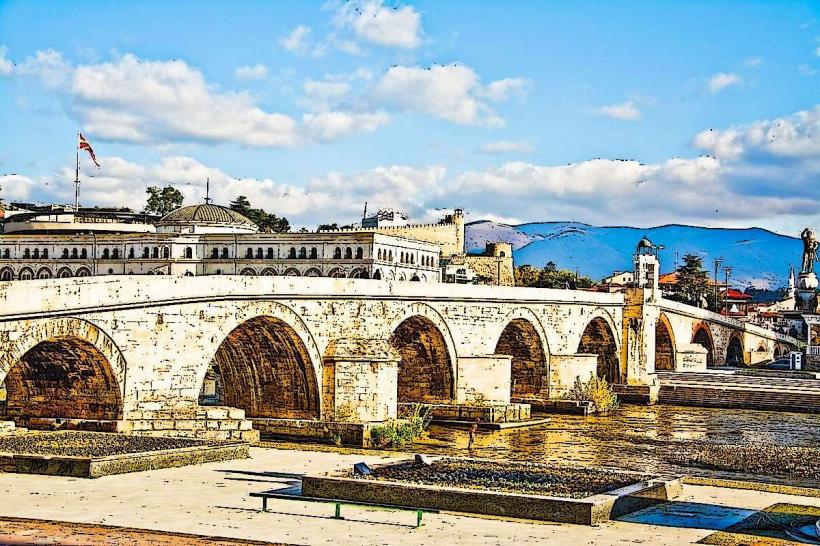
Stone Bridge: 0.7km North