Information
Landmark: Old Bazaar (Čaršija)City: Skopje
Country: North Macedonia
Continent: Europe
Old Bazaar (Čaršija), Skopje, North Macedonia, Europe
The Old Bazaar is a historic commercial and cultural district situated on the eastern bank of the Vardar River in Skopje, North Macedonia. It represents the largest Balkan bazaar outside of Istanbul, functioning as a primary center for trade, craftsmanship, and religious life since at least the 12th century.
Visual Characteristics
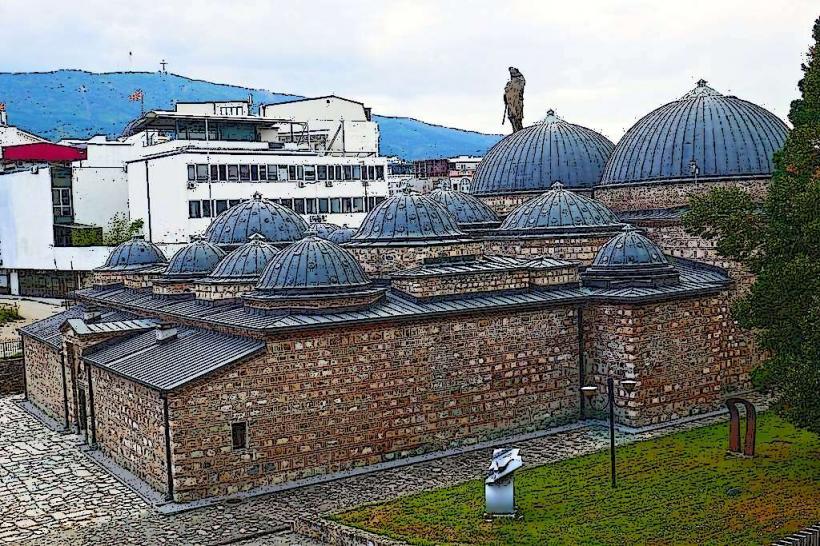
The district is characterized by narrow, cobblestone streets lined with low-rise Ottoman-style buildings featuring timber frames, white-plastered walls, and red-tiled roofs. Architectural landmarks include lead-domed mosques, vaulted stone hammams, and massive masonry inns (hans) built with thick limestone blocks. The color palette is dominated by earthy tones of grey stone and weathered wood, interspersed with gold and silver displays in jewelry shop windows.
Location & Access Logistics
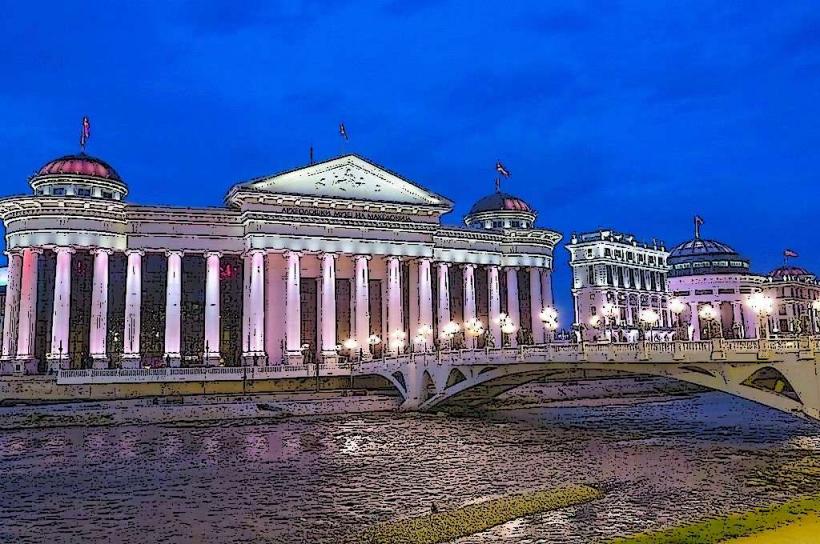
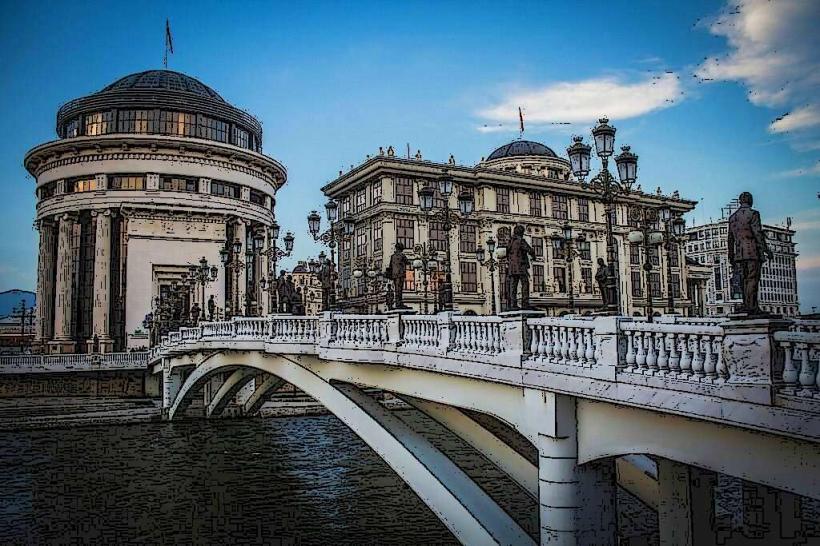
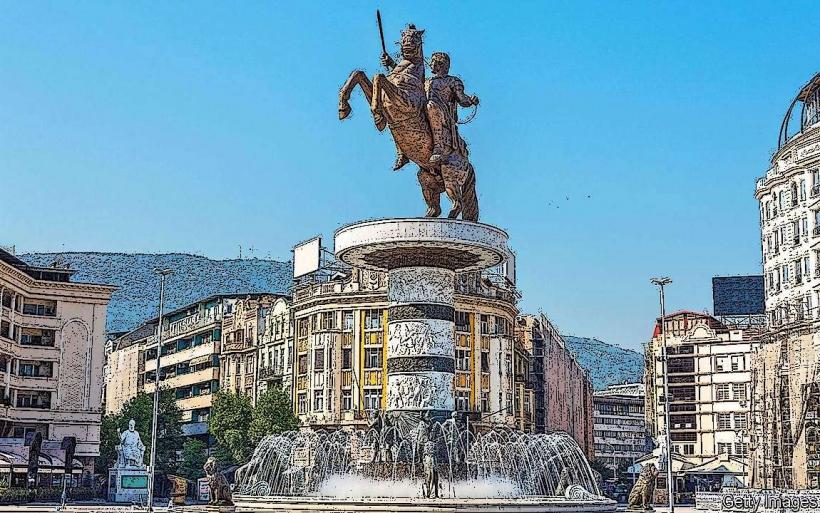
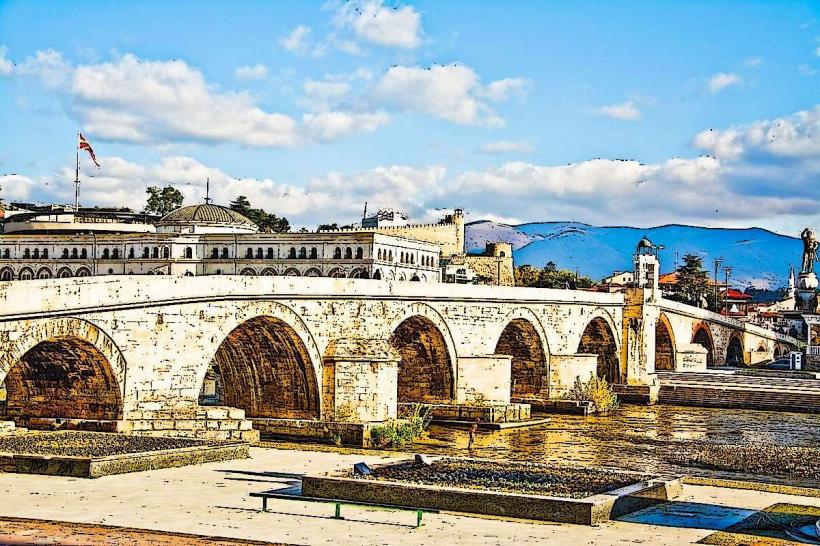
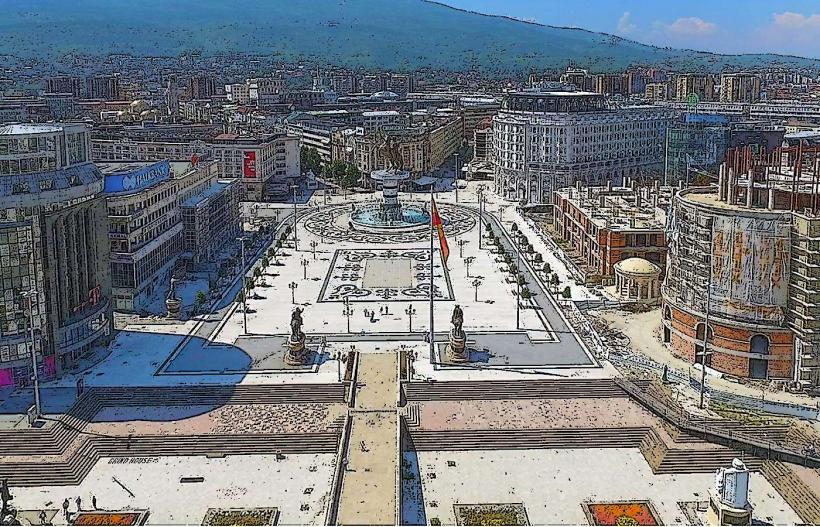
The bazaar is located north of Macedonia Square, connected by the Stone Bridge (Kamen Most). It is bordered by Goce Delčev Boulevard to the south and the Skopje Fortress to the west. Access is primarily pedestrian; the nearest major public transport hub is the Skopje Transport Center, located 1.5km to the southeast. Paid parking is available at the Makedonija underground garage and street lots near the Macedonian Opera and Ballet.
Historical & Ecological Origin
Developed primarily during the Ottoman era starting in the 14th century, the bazaar reached its peak under the administration of various Ottoman governors like Ishak Bey. It served as a vital junction for Balkan trade routes connecting the Adriatic and Aegean seas. The site sits on a gradual slope of alluvial soil leading toward the Vardar River, structurally reinforced over centuries to support heavy masonry.
Key Highlights & Activities
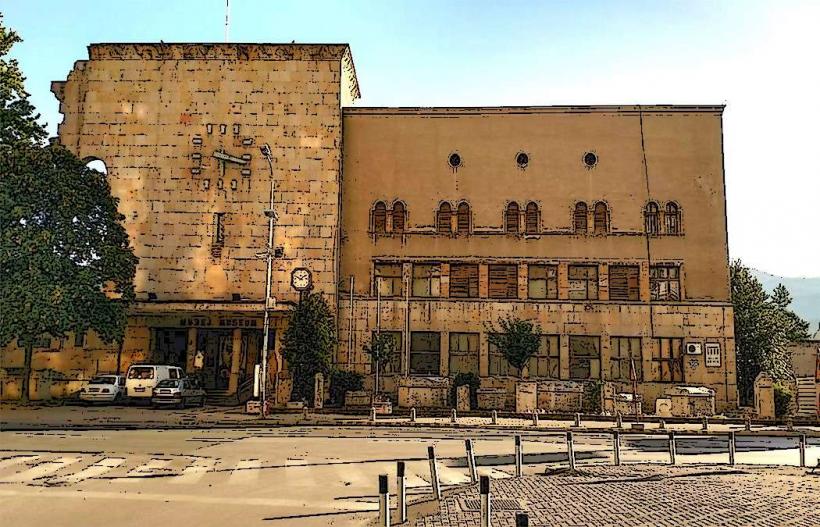
Walking tours of the Suli An and Kuršumli An inns provide insight into medieval merchant lodging. Visit the Museum of the Republic of North Macedonia located within the bazaar perimeter for archaeological exhibits. Traditional copperware and filigree jewelry are still produced in active workshops along the craft alleys. Religious sites like the Mustafa Pasha Mosque are open to visitors outside of prayer times.
Infrastructure & Amenities
Public restrooms are available at the Bit Pazar marketplace and within larger mosques. 4G and 5G cellular coverage is strong throughout the district. Numerous food vendors, teahouses, and restaurants offer local cuisine like kebapi and lahmajoun. Shade is abundant due to the narrow street layout and covered passages, though large open squares are exposed to direct sunlight.
Best Time to Visit
The bazaar is most active between 09:00 and 18:00 on weekdays. Photography is best in the early morning (08:00) to capture the architecture without large crowds, or late afternoon for the soft light hitting the stone facades. Most shops are closed or have limited hours on Sundays, though cafes remain operational.
Facts & Legends
Local lore suggests the Kuršumli An (Lead Inn) received its name because the lead on its roof was melted down for bullets during wartime. A common local tip is to look for the "hidden" second floors of shops, which historically served as secret meeting rooms or living quarters for merchants during the Ottoman occupation.
Nearby Landmarks
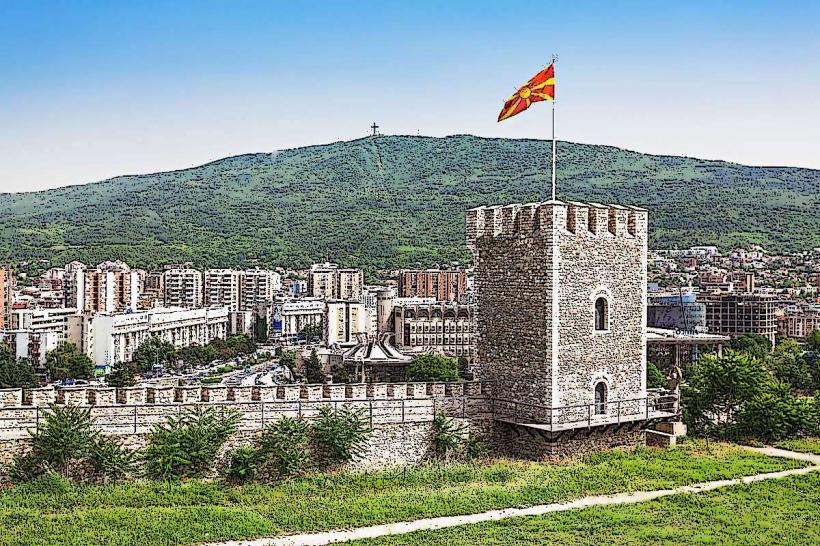
Skopje Fortress (Kale) (0.3km West)
Mustafa Pasha Mosque (0.4km North-West)
Stone Bridge (0.6km South-West)
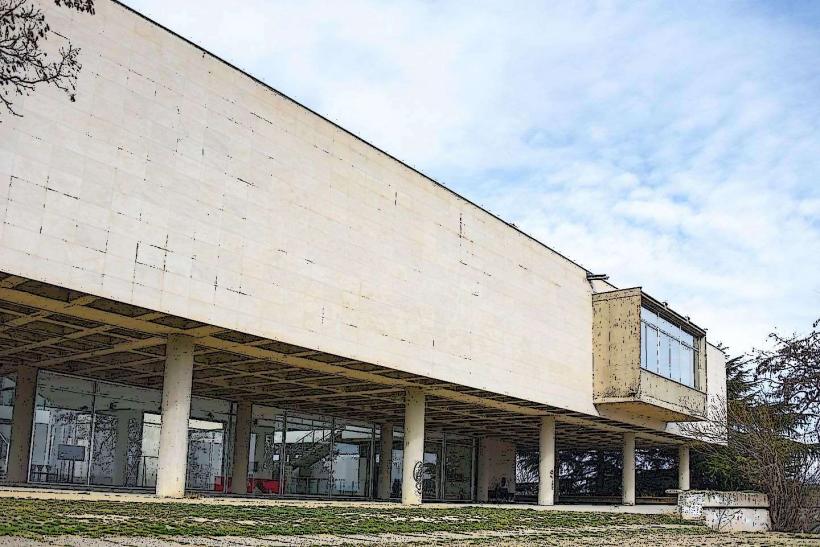
Museum of Contemporary Art (0.8km North-West)
Sultan Murad Mosque (0.5km North-East)