Information
Landmark: National Music MuseumCity: Vermillion
Country: USA South Dakota
Continent: North America
National Music Museum, Vermillion, USA South Dakota, North America
The National Music Museum in Vermillion, South Dakota, is one of the premier institutions in the United States dedicated to the collection, preservation, and exhibition of musical instruments and related artifacts. Part of the University of South Dakota, it houses an extensive array of instruments spanning centuries, cultures, and musical traditions, making it a world-class destination for music enthusiasts, historians, and casual visitors alike.
History and Mission
Founded in 1973, the National Music Museum (NMM) was created to preserve and study musical instruments as cultural artifacts. Its mission extends beyond display: the museum emphasizes research, education, and public engagement, striving to illuminate the development of music across time and geography. The collection reflects both historical and contemporary craftsmanship, showcasing instruments from virtually every continent and major musical tradition.
Architecture and Facilities
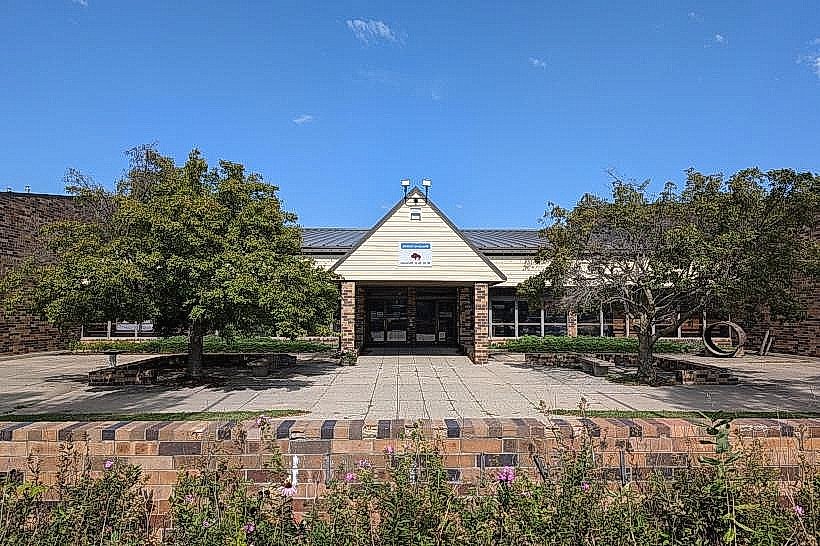
The museum is housed in a modern yet understated building on the University of South Dakota Campus. Its design prioritizes natural lighting, spacious galleries, and climate-controlled display cases to protect delicate instruments. Visitors move through a series of interconnected rooms and exhibition halls, each dedicated to specific themes such as early European instruments, American innovations, or folk traditions.
Additional facilities include:
Study Collections: Reserved areas where scholars and students can examine rare and fragile instruments.
Concert Spaces: Rooms for small performances, lectures, and demonstrations, allowing visitors to hear instruments in action.
Interactive Displays: Hands-on areas and digital interfaces that explain instrument mechanics, history, and musical context.
Collections and Highlights
The NMM’s collection is staggering in both size and scope, with over 15,000 instruments and artifacts from around the world. Key highlights include:
Early European Instruments: Harpsichords, violins, lutes, and organs dating back to the 16th and 17th centuries.
American Innovations: Brass and woodwind instruments crafted in the United States, including historically significant jazz and marching band pieces.
Folk and Ethnic Instruments: Stringed, percussion, and wind instruments from Africa, Asia, and South America, illustrating the diversity of global music traditions.
Rare and Unique Items: One-of-a-kind instruments, such as intricately decorated harpsichords, historical guitars, and early mechanical music devices.
The museum also maintains a collection of archival materials, including sheet music, photographs, and personal papers of prominent musicians, providing context and scholarship opportunities.
Visitor Experience
Walking through the National Music Museum is both educational and sensory. Visitors can admire the craftsmanship of instruments, read detailed historical notes, and in some areas, listen to recordings or live demonstrations. Docents often guide tours, offering stories about the makers, players, and cultural significance of the instruments on display. The galleries are arranged to balance quiet reflection with interactive engagement, making the museum accessible to both adults and children.
Seasonal exhibitions and special events, such as concerts, masterclasses, and instrument demonstrations, further enhance the visitor experience, allowing guests to connect visually, aurally, and intellectually with the collection.