Information
Landmark: Downtown Vermillion Historic DistrictCity: Vermillion
Country: USA South Dakota
Continent: North America
Downtown Vermillion Historic District, Vermillion, USA South Dakota, North America
The Downtown Vermillion Historic District is the heart of Vermillion, South Dakota, encompassing a collection of historic buildings, streetscapes, and landmarks that illustrate the city’s commercial, cultural, and social evolution from the late 19th century through the mid-20th century. The district reflects Vermillion’s growth as a regional hub and serves as a tangible reminder of the community’s civic pride and entrepreneurial spirit.
Historical Background
The district developed alongside Vermillion’s expansion in the late 1800s, fueled by the arrival of railroads, businesses, and civic institutions. Buildings were constructed to house local merchants, professional offices, banks, and municipal services. Over the decades, the district retained much of its original character, with many façades, signage, and architectural details preserved or restored. It tells the story of Vermillion’s economic and cultural development, from a frontier town to a vibrant small city.
Architecture and Streetscape
Downtown Vermillion is distinguished by its diverse architectural styles, which include:
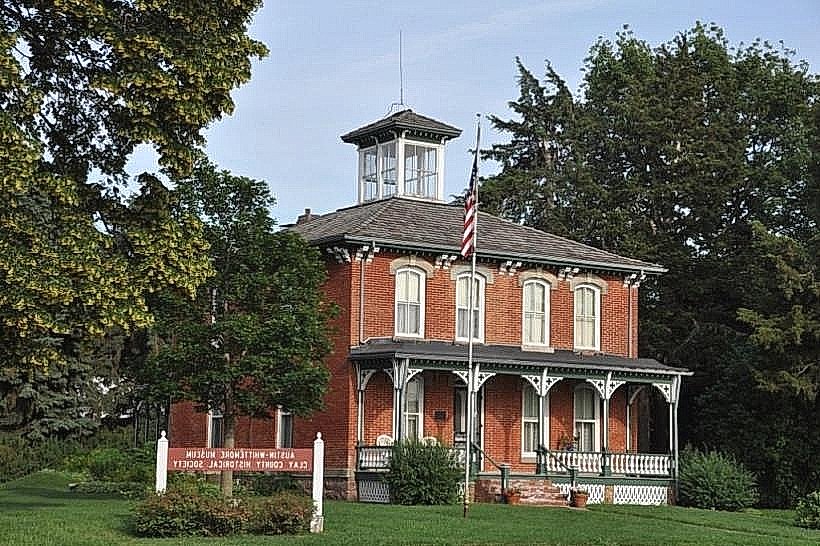
Late Victorian and Italianate Buildings: Tall, narrow brick structures with ornate cornices, decorative window hoods, and patterned masonry.
Early 20th-Century Commercial Styles: Simpler brick façades with large display windows, often designed for retail and professional offices.
Art Deco and Modern Influences: Selected buildings from the 1920s–1940s feature geometric detailing, vertical emphasis, and stylized ornamentation.
The streetscape is pedestrian-friendly, with wide sidewalks, mature street trees, and street lamps that evoke a historic charm. Original brick paving, recessed entryways, and vintage signage in some areas further enhance the district’s nostalgic atmosphere.
Key Landmarks and Features
Within the district, several buildings and sites stand out:
Historic Banks and Commercial Buildings: Many retain original façades and decorative elements, highlighting early commerce.
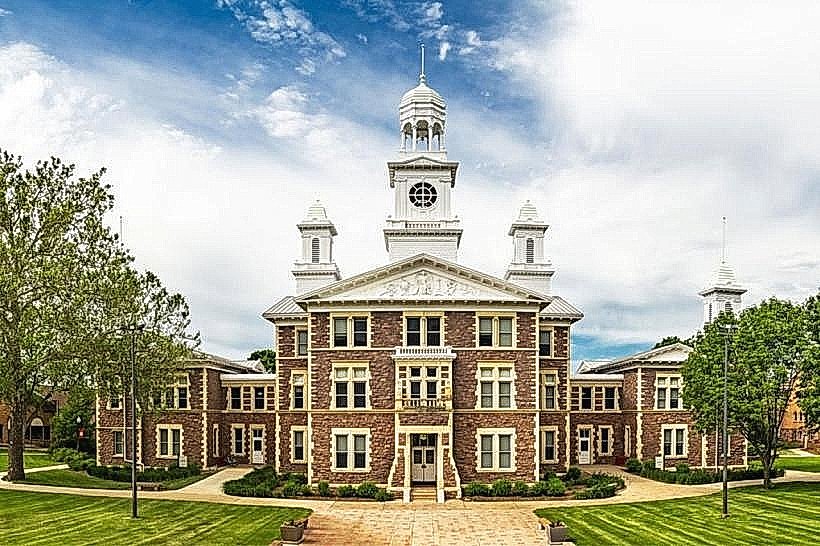
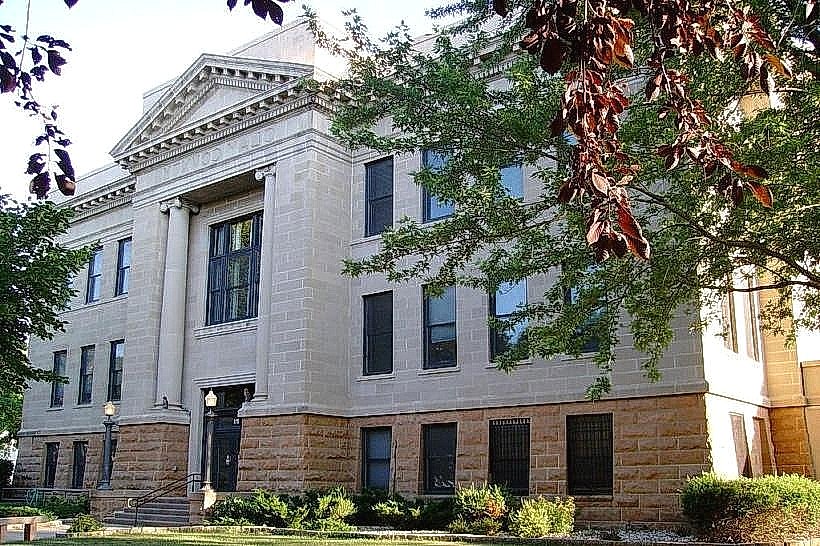
Municipal and Civic Structures: Courthouses, post offices, and city offices exemplify early civic architecture.
Local Shops and Restaurants: Longstanding family businesses and cafés occupy historic buildings, creating continuity between past and present.
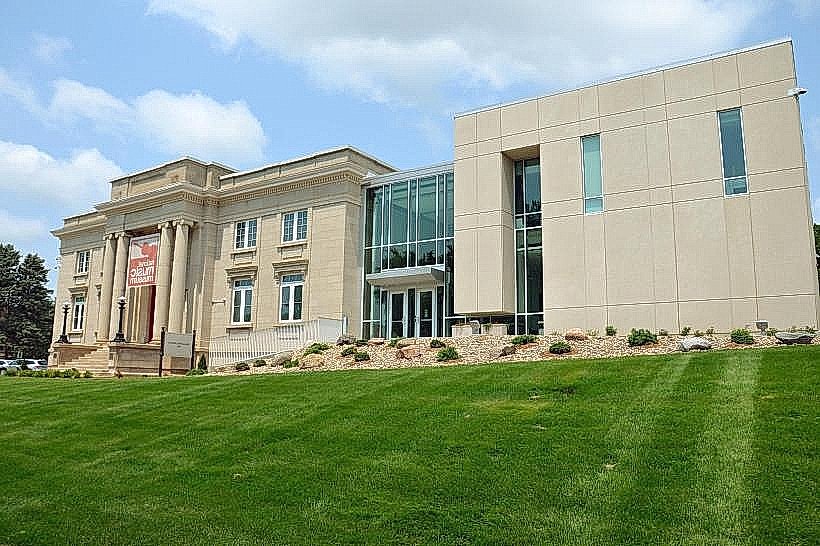
Cultural Institutions: The district houses galleries, museums, and performance spaces, linking historic architecture with ongoing cultural activity.
The mix of commercial, civic, and cultural spaces makes the district a lively and multifaceted area, showcasing both history and contemporary community life.
Community and Cultural Role
The Downtown Vermillion Historic District functions as a commercial, cultural, and social hub for the city. It hosts local festivals, farmers’ markets, parades, and seasonal events that bring residents and visitors together. Preservation efforts and adaptive reuse of historic buildings maintain the district’s character while supporting modern business and entertainment needs.
Local organizations and the city collaborate to ensure that renovation projects respect architectural heritage, maintaining a balance between historical authenticity and contemporary usability.
Visitor Experience
Walking through the Downtown Vermillion Historic District is an immersive journey through time, architecture, and small-town life. Visitors can admire detailed brickwork, historic signage, and ornate cornices while exploring boutique shops, cafés, and galleries. The district offers sensory variety: the scent of fresh coffee from local cafés, the sound of footsteps echoing along historic sidewalks, and the sight of period architecture juxtaposed with modern urban activity.
Seasonal events, outdoor dining, and community gatherings add a lively dimension, making the district both a historical landmark and a vibrant part of daily life.
Overall Impression
The Downtown Vermillion Historic District embodies the cultural and architectural heritage of the city, providing a cohesive yet diverse streetscape that tells the story of Vermillion’s growth, commerce, and civic pride. Its preserved buildings, pedestrian-friendly layout, and active community use make it both a destination for history enthusiasts and a dynamic center for contemporary local life. Visitors experience a neighborhood where the past is visibly woven into the present, offering a sense of continuity, character, and civic identity.