Information
Landmark: Spirit Mound Historic PrairieCity: Vermillion
Country: USA South Dakota
Continent: North America
Spirit Mound Historic Prairie, Vermillion, USA South Dakota, North America
Spirit Mound Historic Prairie is a prominent natural landmark near Vermillion, South Dakota, recognized for its ecological significance, panoramic views, and rich cultural history. Rising above the surrounding prairie, it offers a unique glimpse into the region’s landscape and the historical events that have shaped local heritage.
Historical Background
Spirit Mound is historically significant for both Native American culture and early European exploration. The Sioux and other Plains tribes regarded the mound as a sacred site, imbuing it with spiritual meaning and incorporating it into their oral histories. In 1804, the mound gained broader historical prominence when the Lewis and Clark Expedition passed nearby during their westward exploration, marking it as one of the notable geographic features in the expedition’s journey.
Over the centuries, the mound has been preserved as a natural and historic site, offering insight into both indigenous traditions and early exploration history.
Landscape and Environment
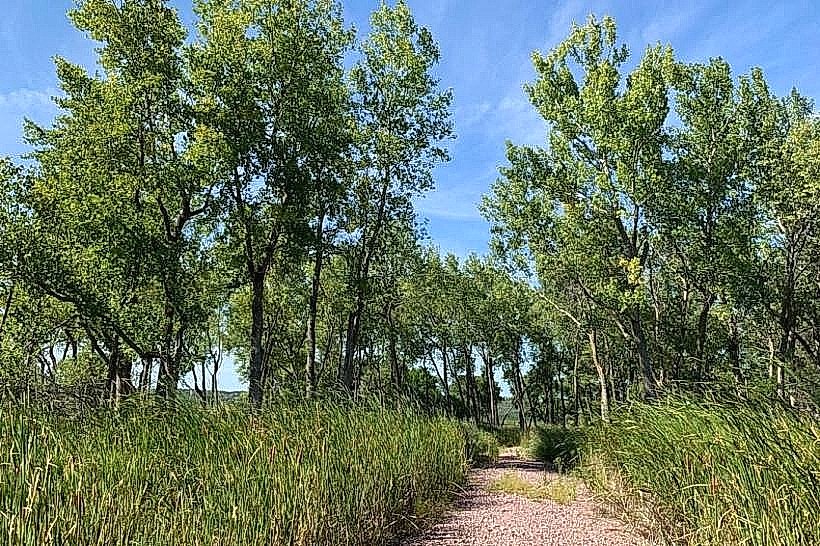
The mound rises gently from the surrounding prairie, providing sweeping views of rolling grasslands, wetlands, and the nearby Vermillion River Valley. Native grasses, wildflowers, and prairie shrubs dominate the terrain, sustaining local wildlife such as deer, prairie birds, and small mammals. Seasonal changes dramatically affect the scenery: vibrant greens in spring and summer, golden grasses in autumn, and snow-covered serenity in winter.
Trails wind along the mound and surrounding prairie, allowing visitors to explore the landscape while minimizing environmental impact. Interpretive signage provides context on flora, fauna, and historical significance.
Recreational and Educational Opportunities
Spirit Mound serves as both a recreational and educational destination:
Hiking and Nature Walks: Trails of varying lengths allow visitors to enjoy the panoramic views and observe wildlife.
Birdwatching and Wildlife Observation: The prairie ecosystem supports diverse bird species and small mammals, making it ideal for nature enthusiasts.
Historical Interpretation: Signage and occasional guided tours offer information about Native American traditions, Lewis and Clark’s expedition, and the ecological importance of the prairie.
Photography and Scenic Viewing: Elevated areas provide stunning vistas of the surrounding landscape, particularly at sunrise and sunset.
The site emphasizes low-impact recreation, preserving the natural environment while allowing public enjoyment and learning.
Visitor Experience
Visiting Spirit Mound Historic Prairie provides a sense of connection to both nature and history. Walking the trails, visitors encounter the subtle textures of native grasses, the scent of wildflowers, and the occasional call of birds overhead. The open horizon and elevated views create a feeling of expansiveness, while interpretive signs guide exploration of the mound’s cultural and historical significance.
The site encourages reflection and appreciation, whether for a quiet solo hike, a family outing, or an educational experience with school or community groups.
Community and Cultural Significance
Spirit Mound is a symbol of cultural heritage, ecological preservation, and historical memory. For local communities, it represents both respect for Native American traditions and recognition of South Dakota’s role in the Lewis and Clark Expedition. Preservation efforts maintain the prairie ecosystem while making the site accessible for recreation and learning, bridging natural history with human history.
Overall Impression
Spirit Mound Historic Prairie offers a unique combination of natural beauty, cultural depth, and historical significance. Its panoramic views, native prairie ecosystem, and connection to both indigenous traditions and early exploration make it a compelling destination for visitors. The site embodies the enduring character of the South Dakota landscape, inviting reflection, exploration, and appreciation of both nature and history.