Information
Landmark: Old Town of RegensburgCity: Regensburg
Country: Germany
Continent: Europe
Old Town of Regensburg, Regensburg, Germany, Europe
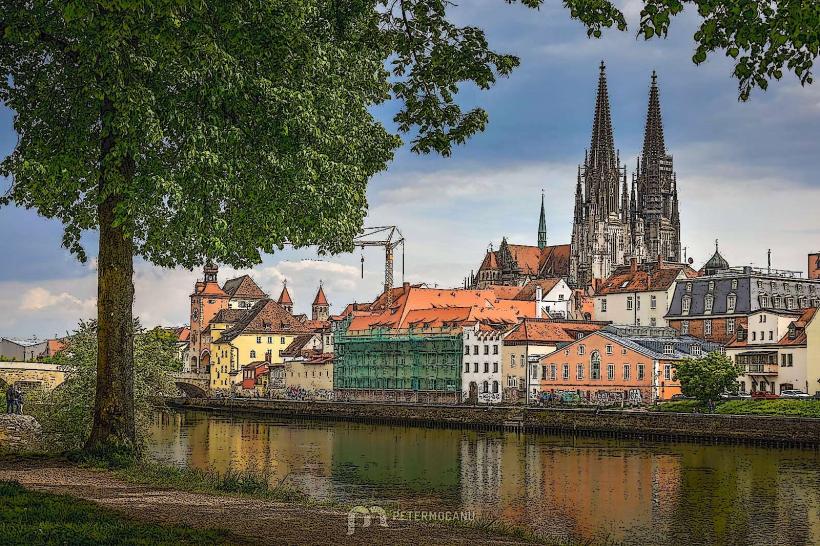
The Old Town of Regensburg (Altstadt Regensburg) is a UNESCO World Heritage Site and one of the best-preserved medieval towns in Germany. Located on the Danube River in Bavaria, Regensburg’s Old Town is known for its rich history, well-preserved architecture, and its importance as a cultural and economic center throughout the centuries. It serves as a living example of the medieval urban development in Europe, showcasing a blend of Gothic, Romanesque, and Renaissance buildings.
Key Features of the Old Town of Regensburg
Historical Significance
- Regensburg's history stretches back to Roman times when it was known as Castra Regina, serving as a Roman fort and an important city on the Danube Limes, the frontier of the Roman Empire. The city later became a thriving medieval trade and ecclesiastical center, benefiting from its location along the river, which facilitated commerce.
- Regensburg reached its height as a free imperial city in the Holy Roman Empire during the Middle Ages. The city prospered through trade, especially in salt, and played a significant role in the development of European medieval architecture and culture.
- The Old Town reflects this rich history, with buildings that span several centuries and that retain the character of a medieval town, from Romanesque churches to Gothic structures.
Architecture
- Medieval Buildings: Regensburg’s Old Town is home to narrow streets, cobblestone alleys, and picturesque squares, surrounded by medieval town walls, many of which remain intact. The Old Town’s layout, which has remained largely unchanged for centuries, is a unique feature.
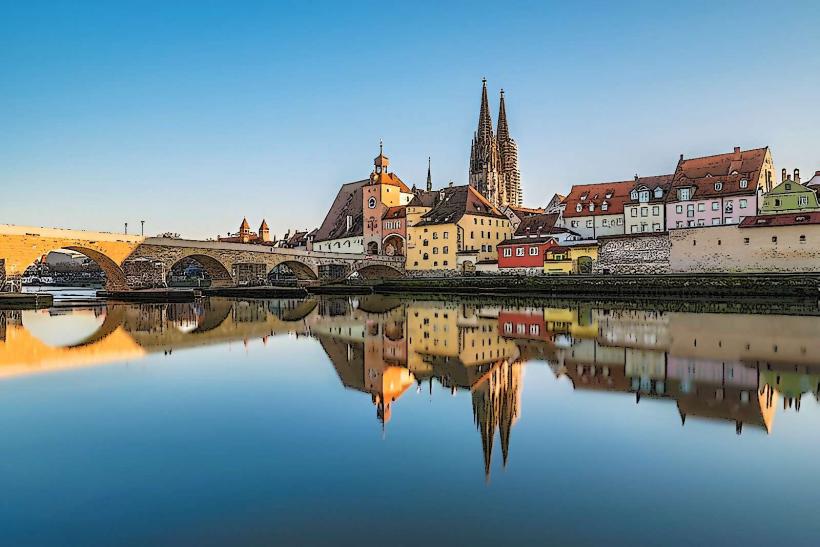
- The Cathedral of St. Peter (Regensburger Dom): The Regensburg Cathedral, with its towering spires, dominates the skyline of the Old Town. It is a prime example of Gothic architecture, with intricate stained glass windows and detailed stone carvings.
- Stone Bridge (Steinerne Brücke): This medieval bridge, completed in the 12th century, connects the Old Town with the city’s southern banks. It remains an iconic feature of the city and a symbol of its importance as a trade center.
- Patrician Houses: The Old Town is known for its well-preserved medieval patrician houses. These structures, some of which date back to the 14th century, often feature high gabled roofs, wooden beams, and decorative stonework. Many of these homes have been preserved as private residences or converted into museums and shops.
- Renaissance and Baroque Influences: Over time, Regensburg’s architecture evolved, incorporating Renaissance and Baroque elements. The Salzstadel (Salt Warehouse), for instance, is a Renaissance-era building that is now home to exhibitions and events.
Notable Landmarks
- Regensburg’s Old Town Gates: Several medieval gates remain as part of the city’s fortifications, including the Würzburger Tor and Porta Praetoria. The Würzburger Tor is an impressive 14th-century gateway with an imposing structure that marks the entry into the Old Town.
- The Old Town Hall (Altes Rathaus): The Old Town Hall is a key historical building that dates back to the 13th century. It housed the city’s government and judicial offices, and its gothic-style tower provides a panoramic view of the city.
- Haidplatz: This square in the heart of the Old Town is surrounded by beautiful historic buildings and features the Statue of the City Founder, honoring the legendary figure of Marcus Aurelius. Haidplatz is a key gathering place in Regensburg, with outdoor cafes and shops.
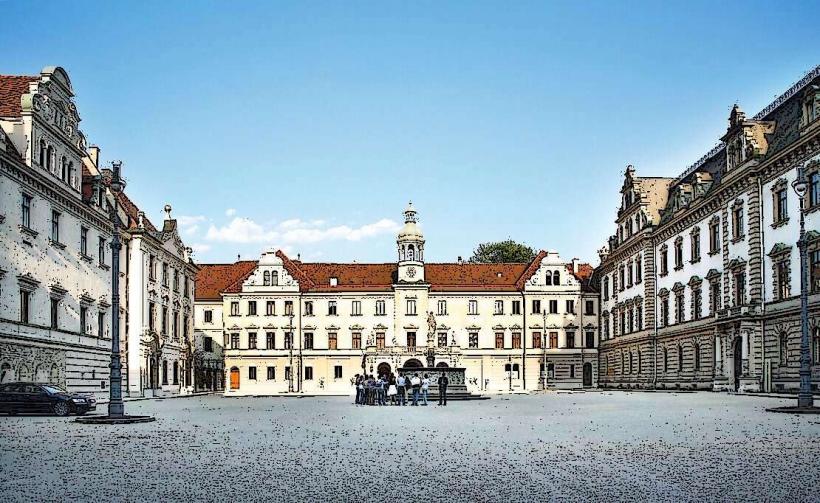
- The Thurn and Taxis Palace: Although technically just outside the medieval boundaries of the Old Town, the Thurn and Taxis Palace and its sprawling gardens are an important part of the city’s history. The palace was once the residence of the Thurn and Taxis family, who controlled the postal service in the Holy Roman Empire.
Cultural Heritage
- The Old Town of Regensburg has a rich cultural life, with several museums, galleries, and theaters. Among the most notable is the Regensburg Museum of History, housed in the Old Town Hall, which displays artifacts from the city’s Roman, medieval, and modern periods.
- St. James’ Church: This church, built in the Gothic style, houses an impressive altarpiece and is one of the city’s many important religious buildings.
- The Regensburg Theater continues to host performances in the Old Town, preserving the city’s long tradition of the performing arts.
Gastronomy and Local Products
- The Old Town is home to many traditional restaurants and beer gardens, where visitors can enjoy local Bavarian dishes, such as wiener schnitzel, pretzels, and sausages. Regensburg is also known for its local Regensburger sausages, a must-try for visitors.
- Beer Culture: Regensburg has a rich beer culture, and many local breweries continue the centuries-old tradition of brewing in the region. Traditional beer halls and modern craft breweries alike offer a taste of local brewing heritage.
Walking Tours and Exploration
- The best way to explore the Old Town of Regensburg is on foot, as the area is pedestrian-friendly. Visitors can take guided tours or simply wander through the historic streets to discover hidden squares, churches, and alleys.
- Walking through the Old Town is like stepping back in time. Visitors can enjoy views of the Danube River, the Stone Bridge, and the Old Town Gates while admiring the architectural beauty and charm of the area.
Festivals and Events
- Regensburg’s Old Town is also the location for numerous festivals throughout the year, including the Regensburger Dult, a traditional Bavarian fair that dates back to the 16th century. During the festival, the streets come alive with music, food, and local crafts.
- Christmas Markets: The Old Town is also the site of a Christmas market that transforms the historic streets into a festive winter wonderland, with twinkling lights, seasonal decorations, and stalls selling handcrafted goods.
UNESCO World Heritage Recognition
- In 2006, the Old Town of Regensburg was designated a UNESCO World Heritage Site for its well-preserved medieval structures, urban layout, and historical significance. The town remains one of the best examples of medieval urbanism in Germany and a testament to the enduring legacy of the Holy Roman Empire.
Conclusion
The Old Town of Regensburg is a treasure trove of medieval history, architecture, and culture. Its well-preserved buildings, cobblestone streets, and charming squares offer visitors a glimpse into the past, while the vibrant local life and modern amenities ensure the city remains a thriving center of culture. Whether walking across the Stone Bridge, admiring the Gothic Regensburg Cathedral, or enjoying a traditional Bavarian meal, the Old Town offers a unique experience that blends the old and the new. Its UNESCO World Heritage designation ensures that its historic and architectural significance will continue to be preserved for future generations to enjoy.