Information
Landmark: Old Town PomorieCity: Pomorie
Country: Bulgaria
Continent: Europe
Old Town Pomorie, Pomorie, Bulgaria, Europe
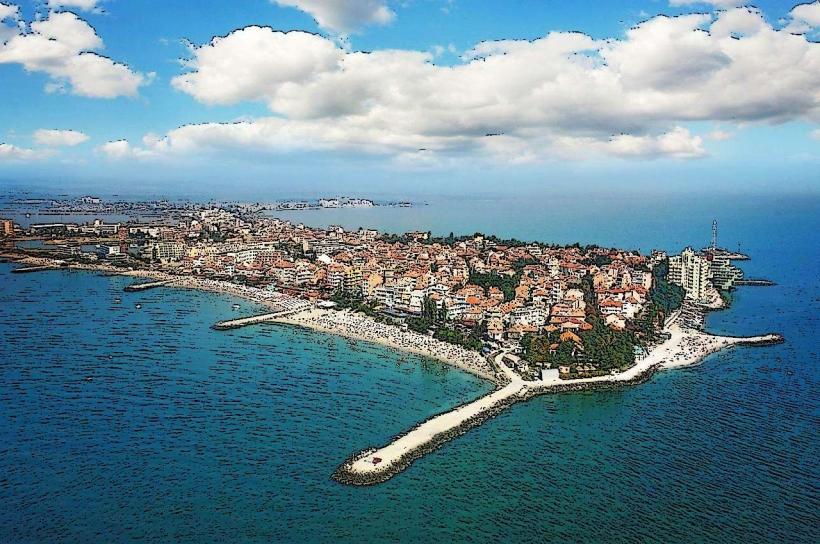
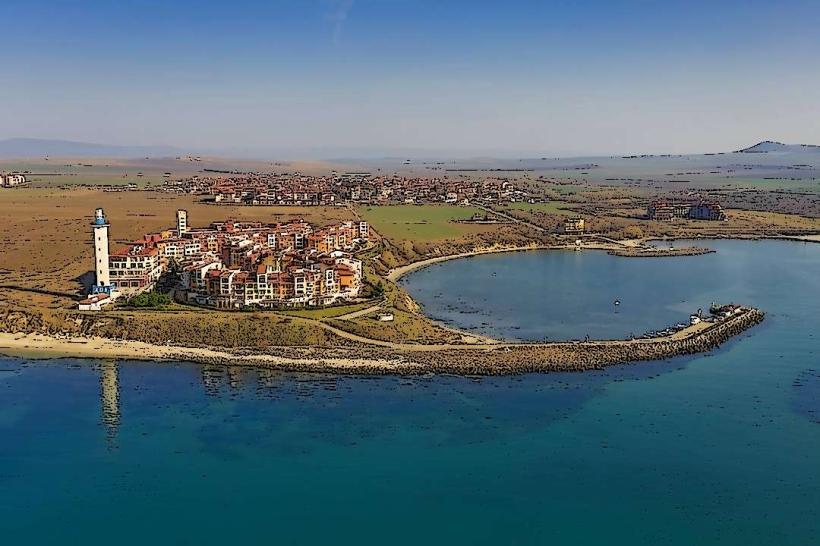
The Old Town of Pomorie is the historic heart of the town, a charming area where centuries of cultural, architectural, and maritime history are preserved in a compact, walkable district. While Pomorie is now a modern seaside resort, its Old Town still retains the atmosphere of a traditional Black Sea coastal settlement, blending Thracian, Byzantine, and Bulgarian influences with a touch of Ottoman legacy.
Here’s a detailed look at the Old Town of Pomorie:
1. Historical Background
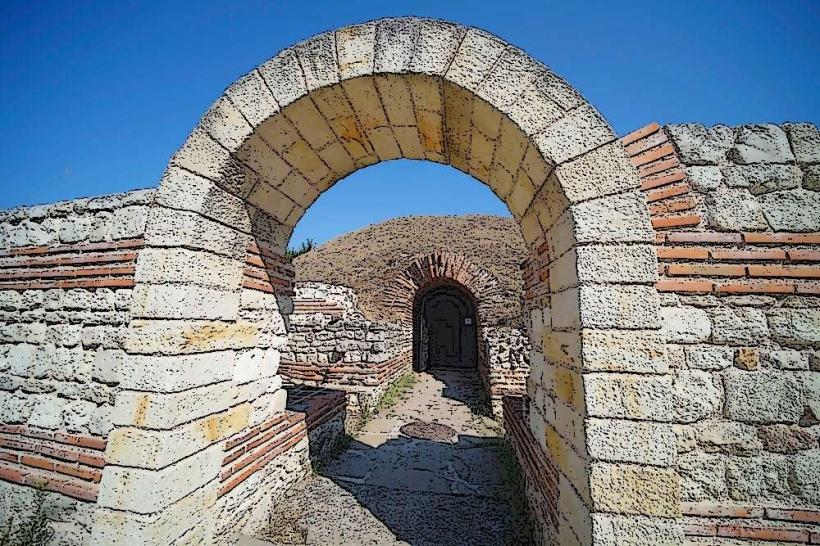
The ancient name of the town was Anhialo, founded by Thracians and later developed into a significant Greek colony and Roman port.
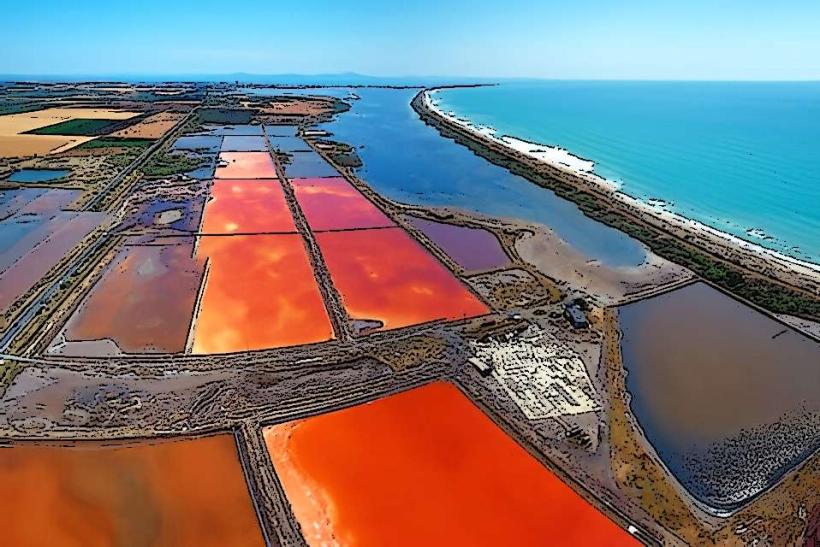
It flourished during the Byzantine and First Bulgarian Empire periods and remained important during the Ottoman rule as a center of salt production and wine trade.
The Old Town reflects this multi-layered past, visible in its urban layout and architecture.
2. Traditional Architecture
The Old Town is known for its wooden houses with stone bases, dating from the 19th and early 20th centuries.
Narrow cobblestone streets, low eaves, overhanging upper floors, and small gardens are typical.
Many of the houses are preserved or restored, offering a glimpse into life during the Bulgarian National Revival era.
Some buildings now serve as guesthouses, galleries, or small museums, enhancing the cultural experience for visitors.
3. Cultural and Historical Sites
Key landmarks in the Old Town include:
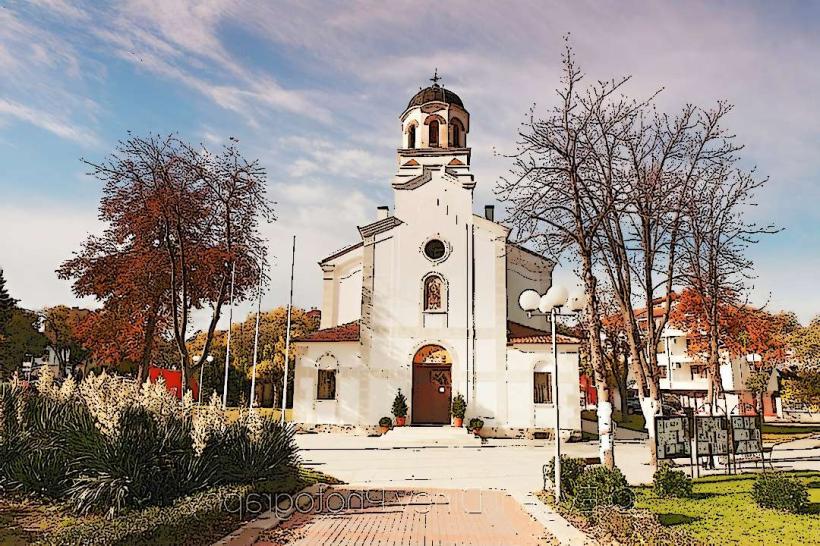
Church of the Transfiguration of God (Свето Преображение Господне)
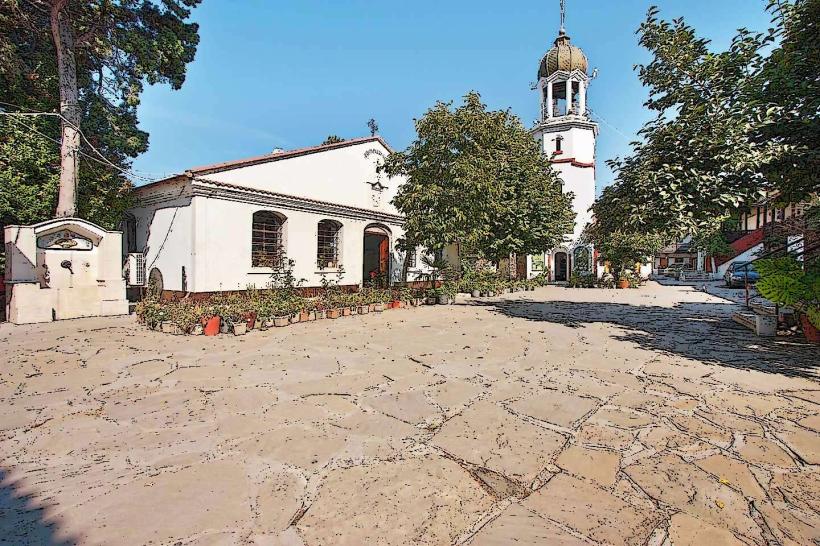
A small but significant wooden church built in 1765, during Ottoman times.
Constructed partially below ground level due to restrictions on Christian buildings at the time.
Known for its rich wood-carved iconostasis, historic icons, and serene courtyard.
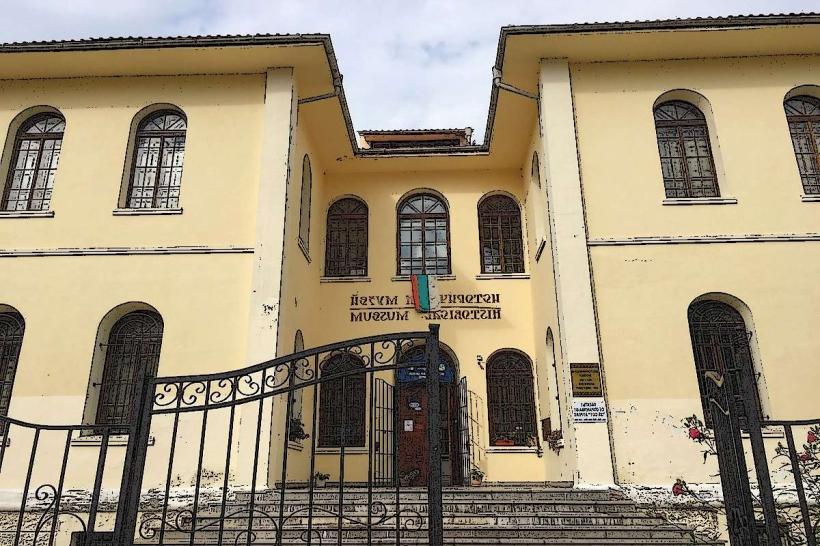
Pomorie History Museum
Located in a traditional Revival-style building in the heart of the Old Town.
Exhibits include Thracian, Roman, and medieval artifacts, icons, ethnographic collections, and salt-making tools.
It provides context to the town’s development through the ages.
Old Salt Warehouses and Wine Cellars
Some of these have been repurposed into restaurants, craft shops, or cultural centers.
They reflect Pomorie’s past as a salt trade hub and wine producer.
4. Atmosphere and Daily Life
The Old Town is peaceful and inviting, with a local, lived-in feel.
Small family-run bakeries, cafés, boutiques, and seafood restaurants line the streets.
Locals often gather in the town square or in small shady gardens.
The marketplaces and artisans’ stalls offer local crafts, handmade souvenirs, and regional specialties like fig jam, rose products, and wine.
5. Seaside Promenade and Fishing Port
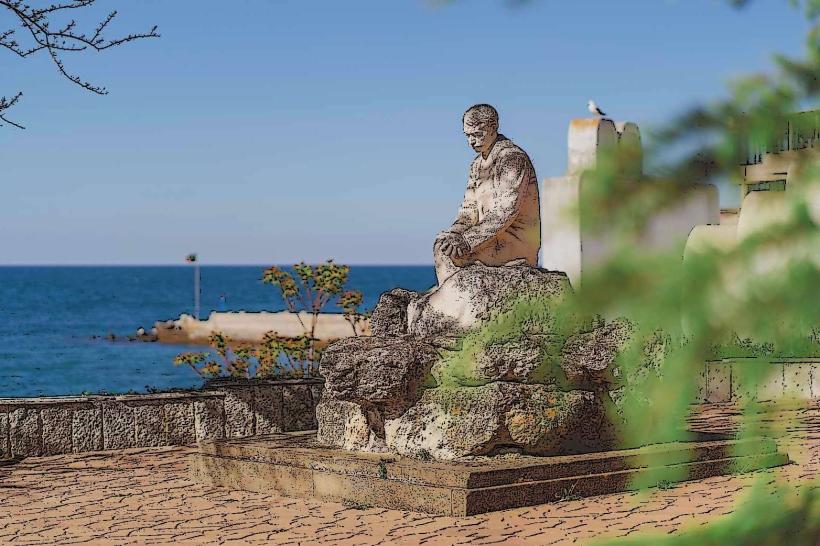
The Old Town borders a scenic section of the coastline, with a promenade that runs along the bay.
Small fishing boats, piers, and nets give the area an authentic maritime charm.
The Old Port is still active with local fishermen, offering fresh catch to nearby taverns and markets.
6. Events and Festivals
In the summer, the Old Town becomes a cultural hub with:
Open-air concerts
Folk dance performances
Local craft fairs
Religious processions, especially on St. George’s Day (May 6) and The Assumption of Mary (August 15), which are major holidays in Pomorie
7. Accessibility and Visiting Tips
Easily reachable on foot from anywhere in Pomorie.
Best explored slowly on foot-the area is small, with many hidden corners, courtyards, and scenic alleys.
Ideal for sunset walks, photography, and quiet exploration.
Many restaurants offer traditional Bulgarian dishes, local wine, and seafood with a sea view.
8. Cultural Significance
The Old Town is not just a tourist spot-it is a living part of Pomorie, where the past and present intertwine. It reflects the town's identity as:
A former ancient port
A center of salt and wine trade
A place of Orthodox Christian tradition
A coastal community that values its history, culture, and natural beauty
Visiting the Old Town of Pomorie provides a rich and authentic experience-far from the modern resort vibe, it’s a quiet world of timeless beauty, tradition, and coastal soul.