Information
Landmark: Opole AmphitheaterCity: Opole
Country: Poland
Continent: Europe
Opole Amphitheater, Opole, Poland, Europe
The Millennium Amphitheater (Amfiteatr Tysiąclecia) is a large-scale open-air performance venue located on Ostrówek island in Opole, Poland. It serves as the primary stage for the National Festival of Polish Song and is managed by the National Centre of Polish Song.
Visual Characteristics
The structure is defined by its massive, gently arched tensile roof membrane, which is white in color and designed to resemble a fallen fig leaf. The seating area is arranged in a semicircular concrete bowl that descends toward a broad stage featuring a 11-meter-high back screen. Following its 2011 reconstruction, the facility incorporates a blend of grey concrete, steel supports, and modern glass elements within its integrated administrative wings.
Location & Access Logistics
The amphitheater is situated at Piastowska 14A, approximately 1.2km west of the Opole Główne railway station. It is accessible from the city center via the Piastowski Bridge. Public transit service is provided by MZK Opole lines 3, 7, and 15 at the "Piastowska" stop. Paid surface parking is available directly adjacent to the venue along the Oder River embankment and near the nearby Voivodeship Office.
Historical & Ecological Origin
Construction was initiated by Opole Mayor Karol Musioł and designed by architect Florian Jesionowski, opening in June 1963. The site is of high archaeological significance as it was built directly atop the remnants of a 10th-century Slavic fortified settlement (gród). A major modernization project completed in 2011 reduced the capacity while adding the permanent roof structure and the Museum of Polish Song.
Key Highlights & Activities
The venue is the permanent home of the National Festival of Polish Song (KFPP), held annually in June. Outside of festival dates, the amphitheater is open for self-guided walking tours of the seating bowl. The interior houses the Museum of Polish Song, which features interactive multimedia exhibits on the history of Polish popular music. Concerts and large-scale cultural events occur frequently during the summer season.
Infrastructure & Amenities
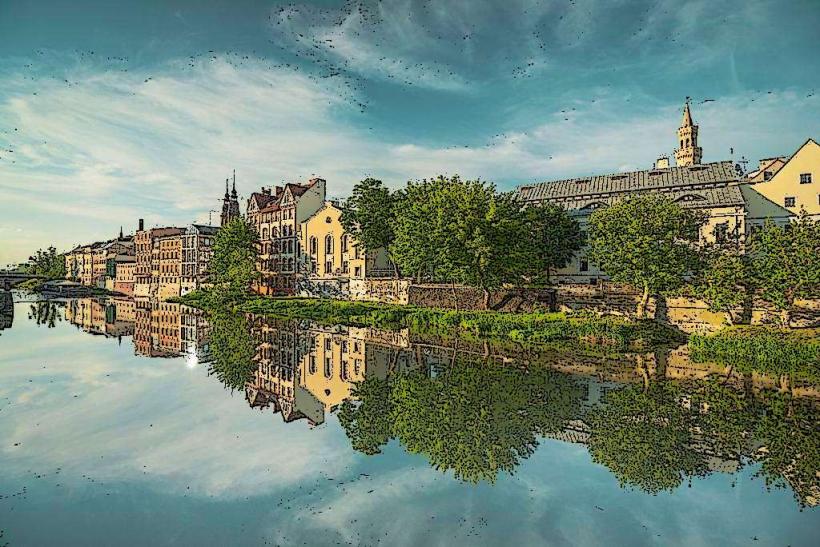
Restrooms are located within the main building complex and are accessible during museum operating hours. The permanent tensile roof provides shade for the entire 3,653-seat audience area. 5G cellular signal is strong and consistent throughout the venue. Food and beverage services are available through on-site vendors during events; permanent cafes are located within 0.2km on the nearby Młynówka Canal.
Best Time to Visit
The most significant time to visit is during the National Festival of Polish Song in late June for live performances. For photography, late afternoon (Golden Hour) provides the best lighting for the white roof structure and the surrounding river views. The Museum of Polish Song inside the complex is open Tuesday through Sunday, typically from 09:30 to 17:30.
Facts & Legends
During the initial construction in the early 1960s, laborers uncovered remarkably well-preserved wooden structures and artifacts from the original medieval settlement, leading to extensive archaeological excavations that delayed the building process. A local "secret" tip is that access to the amphitheater seating area is often free of charge during non-event days, allowing for elevated views of the Piast Tower.
Nearby Landmarks
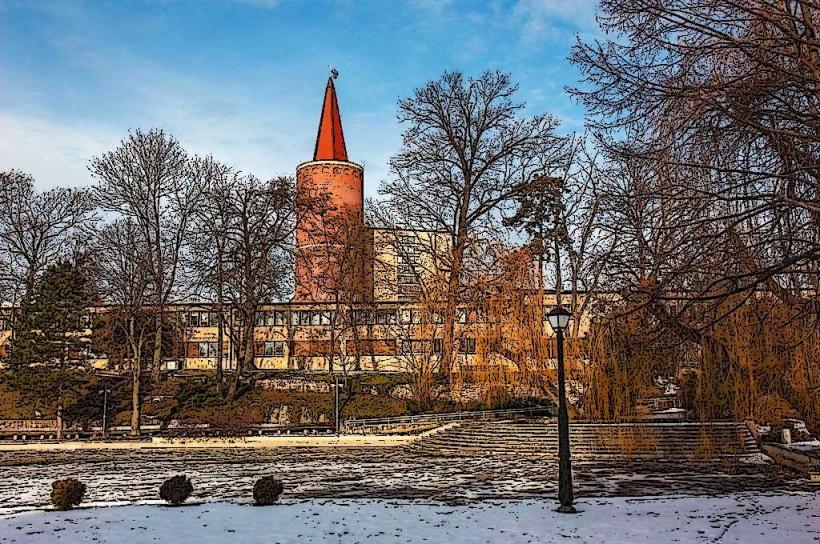
Piast Tower: 0.05km North
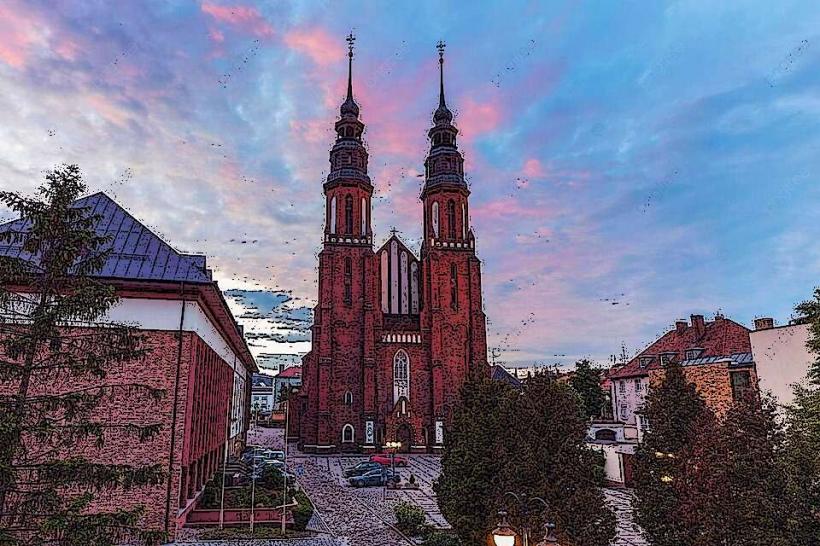
Holy Cross Cathedral: 0.4km East
Opole Venice (Młynówka Canal): 0.2km East
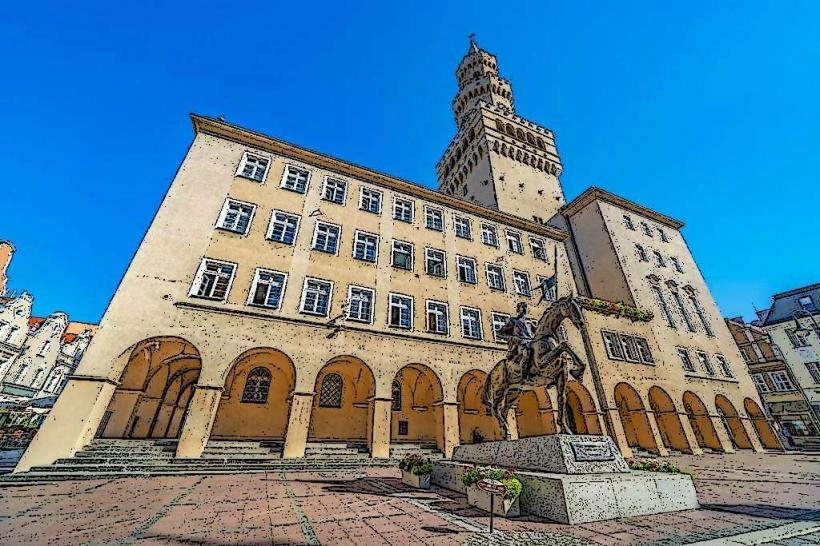
Opole Town Hall: 0.5km East
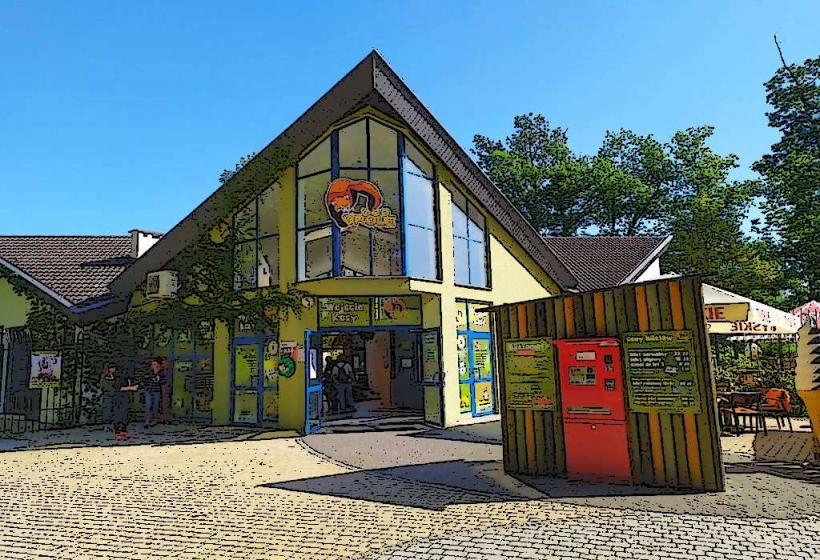
Opole Zoo: 1.5km South