Information
Landmark: Opole Old TownCity: Opole
Country: Poland
Continent: Europe
Opole Old Town, Opole, Poland, Europe
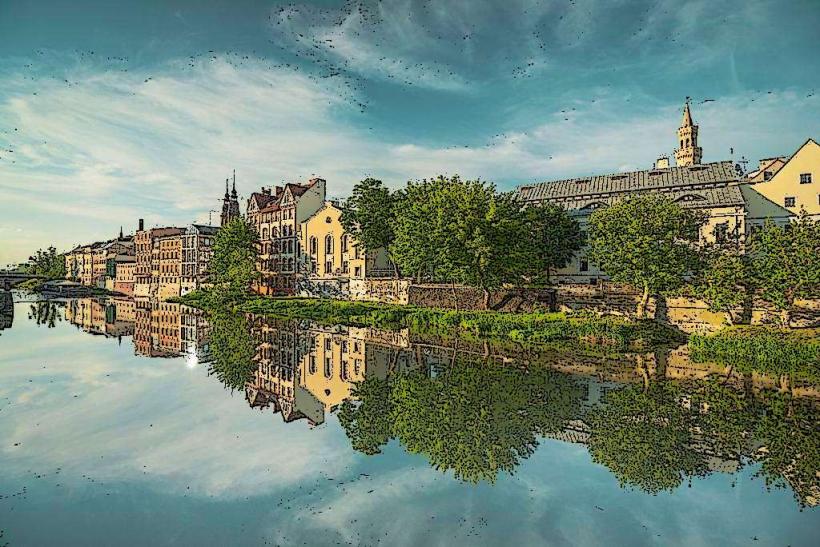
Opole Old Town (Stare Miasto Opole) is the historic heart of Opole, one of Poland's oldest and most charming cities, located in the southwestern part of the country. Known for its rich history, well-preserved architecture, and vibrant atmosphere, Opole Old Town offers visitors a chance to experience the cultural and historical essence of the city.
Key Features of Opole Old Town:
1. Historical Significance
- Opole's Old Town dates back to the Middle Ages, with the city being an important center of trade and culture throughout its history. As the capital of Opole Voivodeship, the Old Town has witnessed many historical events, including the growth of the region under various rulers, including the Piast dynasty.
- The area was heavily damaged during World War II, but much of its historic charm has been preserved through reconstruction and restoration efforts. Today, it reflects a blend of medieval, Renaissance, and Baroque architectural styles.
2. Opole Market Square (Rynek)
- The central point of the Old Town is the Opole Market Square, which is the heart of the city’s social and commercial life. The square is lined with colorful buildings featuring arcades, gables, and decorative facades, offering a picturesque setting for visitors.
- The square is a bustling area with cafes, restaurants, and shops, making it a popular spot for both locals and tourists. It is also home to numerous cultural events, including festivals, street performances, and markets.
3. Opole Town Hall (Ratusz)
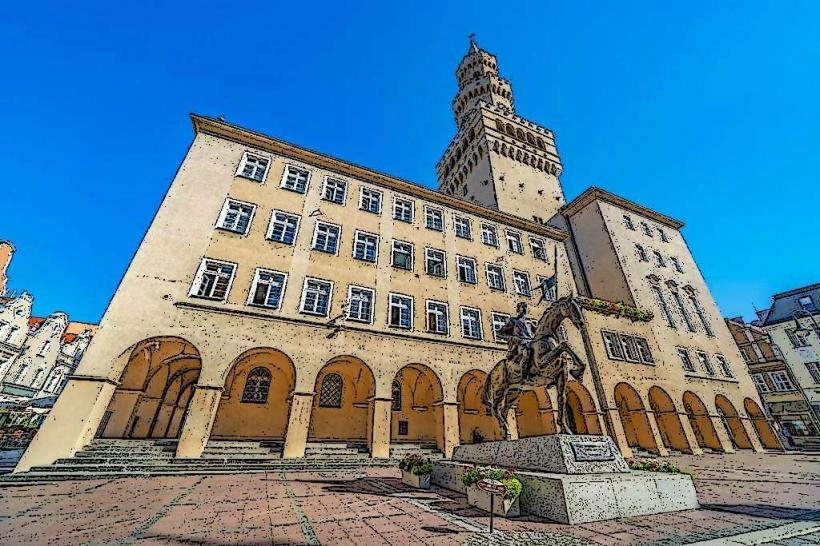
- The Opole Town Hall is a prominent landmark located at the northern side of the Market Square. The building, dating back to the 19th century, features an impressive neo-Renaissance style, with a distinctive clock tower that dominates the skyline of the Old Town.
- Inside, the Town Hall houses an exhibition space that provides insight into the history of the city, including its governance and key historical moments.
4. St. Adalbert’s Church
- St. Adalbert’s Church (Kościół Świętego Wojciecha) is one of the oldest churches in Opole, dating back to the 13th century. Its architectural style combines elements of Gothic and Romanesque, with beautiful stained-glass windows and a richly decorated interior.
- The church has been a central religious and cultural institution in the city for centuries and continues to serve the local community.
5. Opole Cathedral (Cathedral of the Holy Cross)
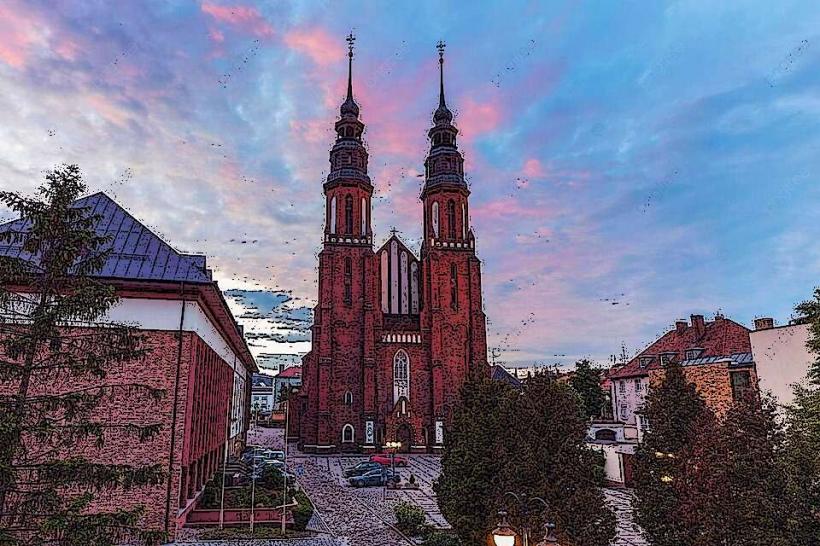
- The Opole Cathedral, also known as the Cathedral of the Holy Cross, is another important religious landmark in the Old Town. The cathedral is characterized by its Baroque architecture and twin towers.
- Inside, visitors can admire beautiful altars, paintings, and religious artifacts, reflecting the city’s deep spiritual and historical ties.
6. Opole Piast Tower (Wieża Piastowska)
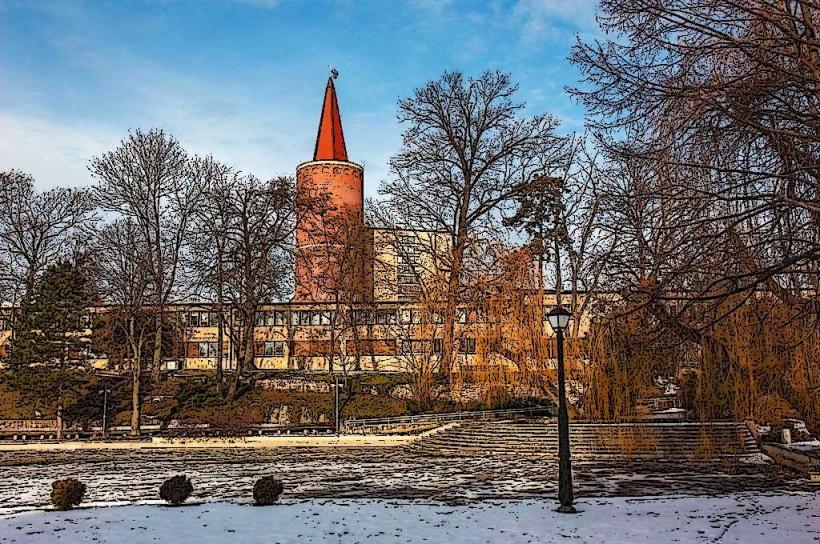
- The Piast Tower is one of the few remnants of the original medieval castle that once stood in Opole. The tower offers a panoramic view of the Old Town and the surrounding areas.
- It serves as a reminder of Opole’s medieval past and is a popular spot for tourists who wish to learn more about the city's early history and enjoy the scenic views of the town.
7. Charming Streets and Alleys
- The narrow, winding streets and alleys of Opole’s Old Town are lined with charming, well-preserved townhouses, offering a glimpse of the city’s medieval past. Strolling through these areas allows visitors to explore hidden squares, art galleries, and boutiques that contribute to the town's vibrant atmosphere.
- Among the most famous streets is Ostrówek, a historic area full of traditional wooden houses and quaint shops.
8. Opole Amphitheatre
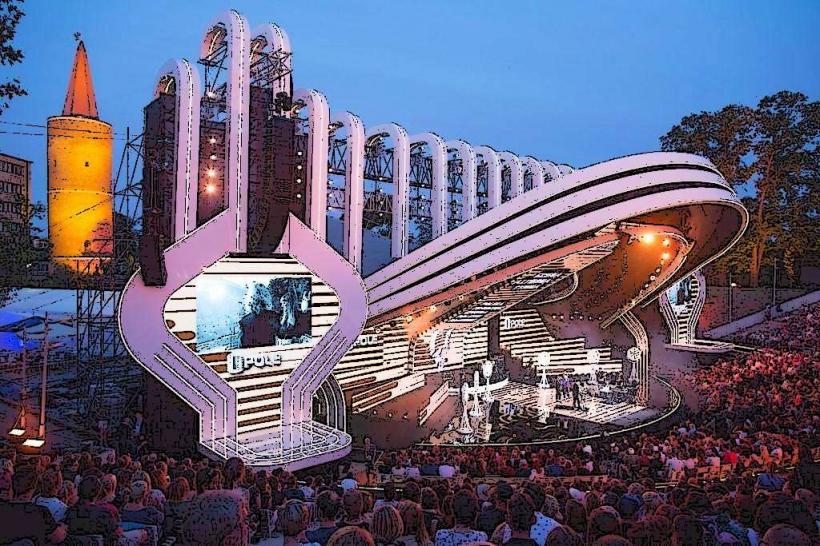
- While not strictly within the Old Town, the Opole Amphitheatre is located nearby and is a prominent feature of the city’s cultural landscape. This open-air venue hosts the annual Opole Song Festival (Krajowy Festiwal Piosenki Polskiej), a major cultural event celebrating Polish music and performing arts.
- The amphitheater, set along the Oder River, provides a scenic backdrop for performances and gatherings, contributing to the city’s cultural richness.
9. Museum of Opole Silesia
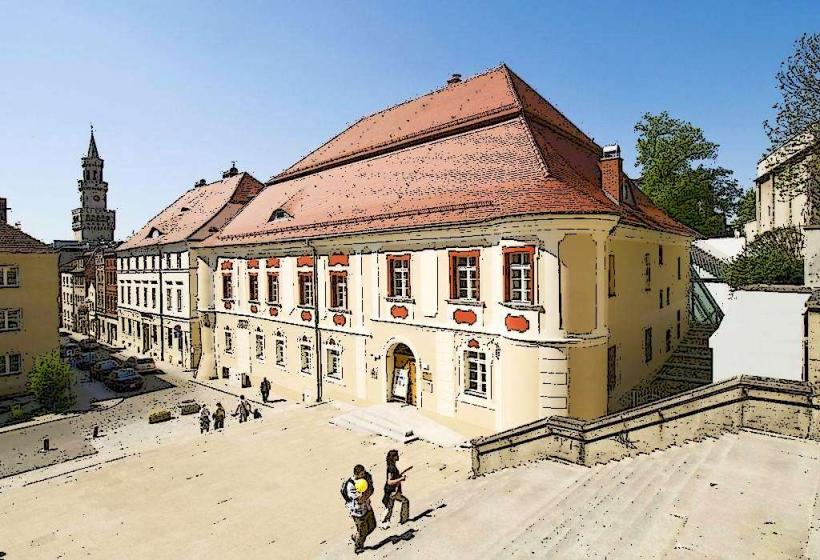
- Located in the Old Town, the Museum of Opole Silesia is a major cultural institution that showcases the history, culture, and traditions of the region. The museum offers exhibitions on local history, archaeology, folk art, and ethnography, providing visitors with a deeper understanding of Opole’s past.
10. Cultural and Social Life
- Opole Old Town is not just about history; it is also a vibrant center for culture and community life. Throughout the year, visitors can enjoy various events, including local festivals, craft fairs, and theatrical performances. The proximity of the Opole Philharmonic and other cultural venues further enriches the town's dynamic cultural scene.
Conclusion:
Opole Old Town offers a unique blend of historical heritage, architectural beauty, and cultural richness. Its well-preserved medieval and Renaissance structures, along with the lively atmosphere of the Market Square and the surrounding streets, make it an essential destination for anyone visiting Opole. Whether you’re interested in history, architecture, or just enjoying a peaceful walk, Opole Old Town provides a perfect setting for exploration and discovery.