Information
Landmark: Peć Old BazaarCity: Pec
Country: Kosovo
Continent: Europe
Peć Old Bazaar, Pec, Kosovo, Europe
The Peć Old Bazaar (Çarshia e Pejës) is a historic commercial district situated in the center of Peja, Kosovo. It represents one of the most complete Ottoman-style marketplace ensembles in the region, functioning as the city's primary economic and social node for over five centuries.
Visual Characteristics
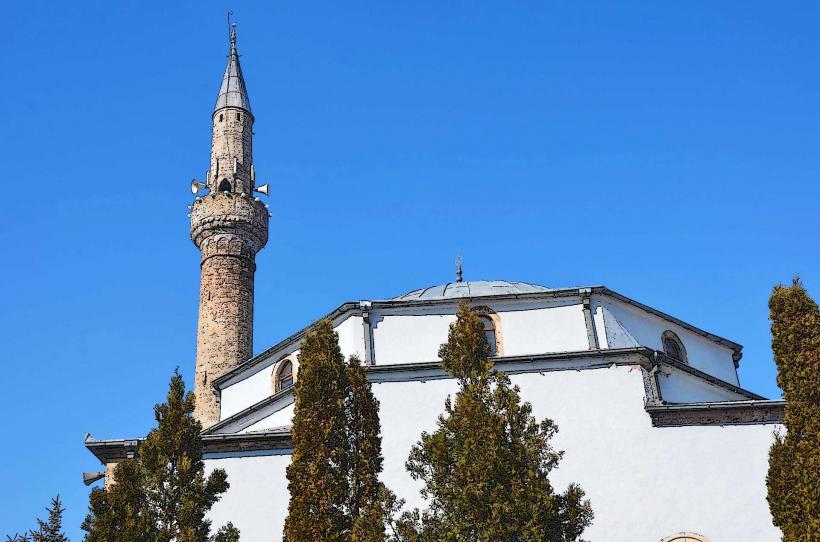
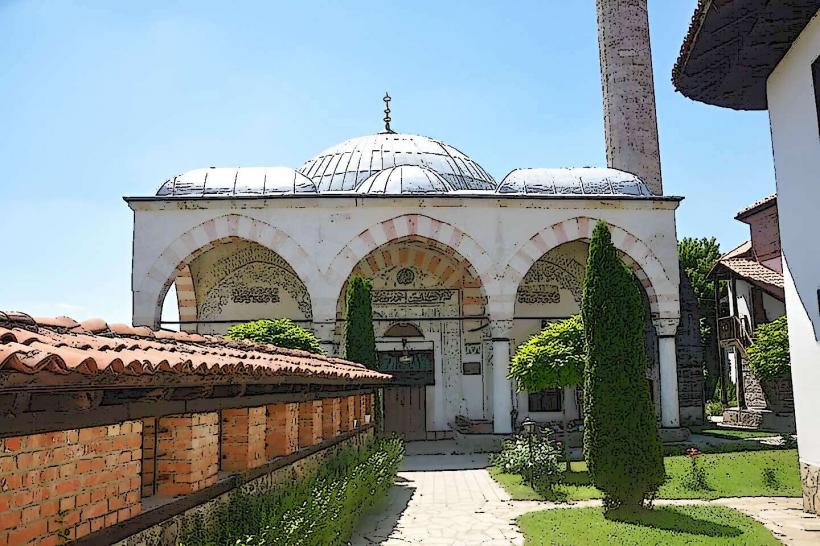
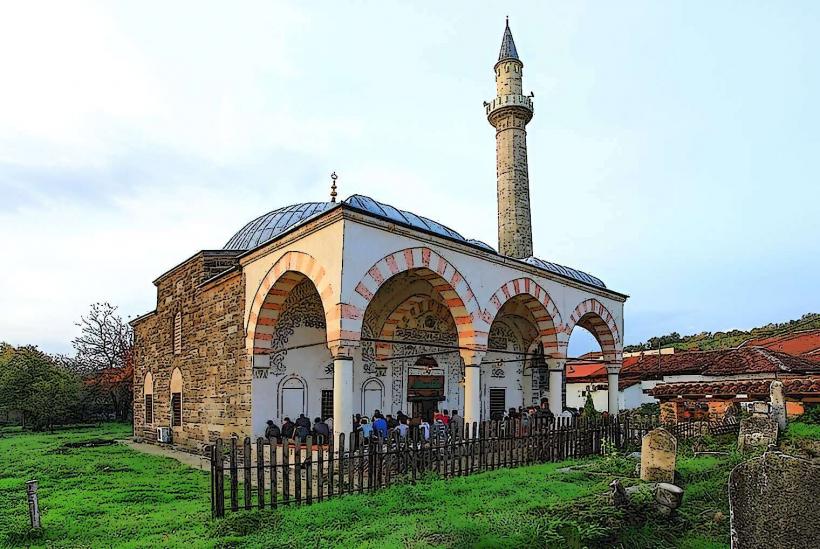
The bazaar features narrow, cobblestoned streets lined with low-rise, timber-frame buildings. The architecture is defined by overhanging eaves, wooden shutters, and open-fronted shops. The aesthetic is characterized by stone masonry on ground floors and white-washed upper levels. Central to the district is the Čarshia Mosque and various stone fountains (shadirvans) located at street intersections.
Location & Access Logistics
The district is located in the central part of Peja, extending from the banks of the Lumbardhi River to the main city square. It is a 10-minute walk from the Peja Railway Station. Vehicle access within the bazaar is strictly limited due to the narrow street widths; public parking is available at the perimeter near the Hotel Dukagjini or along the main arterial roads surrounding the historic zone.
Historical & Ecological Origin
The bazaar was established during the early Ottoman period in the 15th century and reached its peak development in the 19th century. It was almost entirely destroyed during the 1998–1999 conflict but was subsequently reconstructed using traditional materials and techniques. The layout follows the classic Ottoman "arasta" model, where specific streets are dedicated to specific crafts and guilds.
Key Highlights & Activities
The bazaar remains a center for traditional handicrafts, specifically filigree silver work, leather processing, and the production of "plis" (traditional woolen hats). Visitors can observe artisans in workshops and purchase authentic regional textiles. The area is also the primary site for traditional dining, featuring numerous "qebaptore" and "çajthore" (tea houses).
Infrastructure & Amenities
The district contains public restrooms near the Çarshia Mosque. 5G cellular coverage is consistent throughout the area. Numerous commercial banks and currency exchange offices are located at the bazaar’s entrance. While the historic core lacks large-scale modern malls, it is densely packed with essential service providers, including pharmacies and hardware stores.
Best Time to Visit
The bazaar is most active on market days (typically Saturdays) from 08:00 to 14:00. For architectural photography, the early morning hours (07:00–09:00) provide optimal lighting on the wooden facades before the shops deploy their external awnings. Most craft workshops close by 18:00, while restaurants remain active until 22:00.
Facts & Legends
A verified historical fact is that the bazaar once contained over 1,000 shops and several large caravanserais (inns) for traveling merchants. Local lore suggests that the specific arrangement of the cobblestones was designed to channel rainwater away from shop entrances while providing a durable surface for heavily laden pack animals.
Nearby Landmarks
Bajrakli Mosque: 0.1km West
Peja Patriarchate: 2.5km West
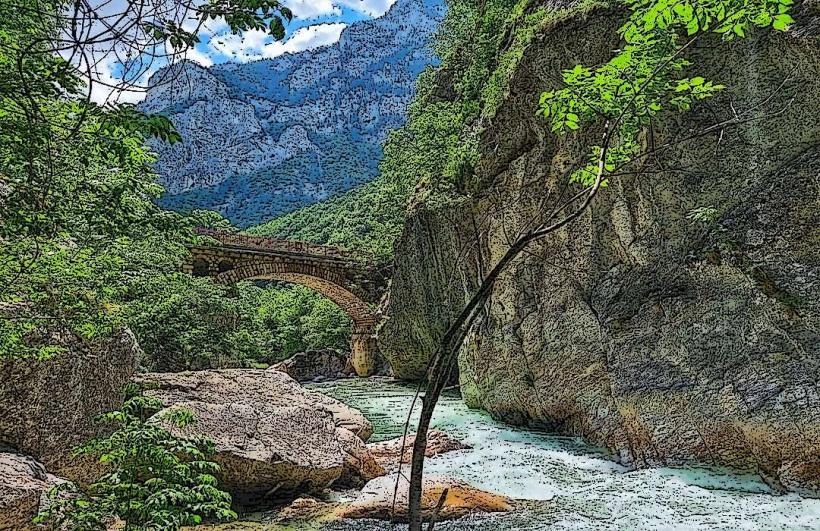
Rugova Canyon Entrance: 3.0km West
Hotel Dukagjini: 0.2km East
Ethnological Museum (Konaku i Tahir Beut): 0.3km North