Information
Landmark: Pioneer MuseumCity: Hot Springs SD
Country: USA South Dakota
Continent: North America
Pioneer Museum, Hot Springs SD, USA South Dakota, North America
Setting and Character
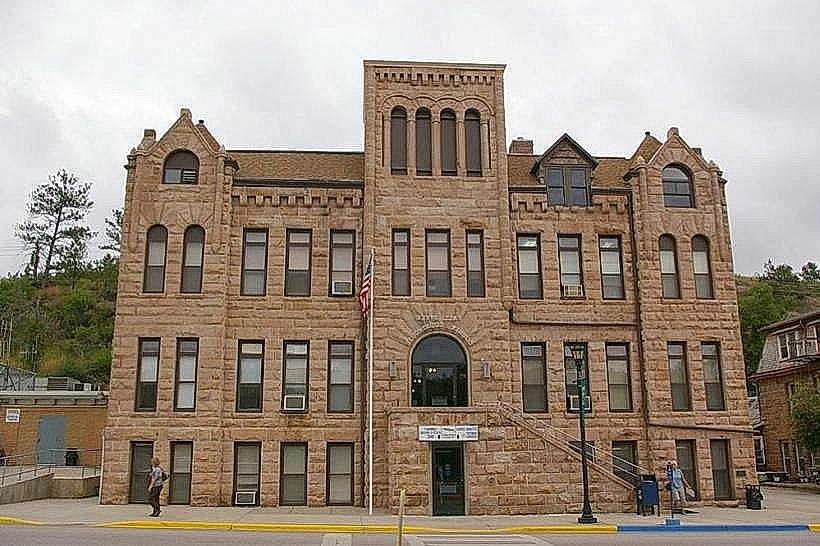
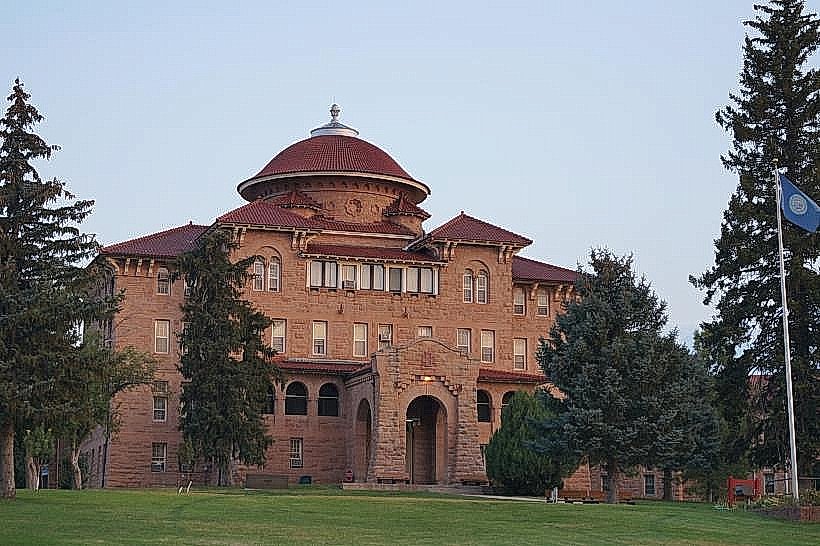
Housed inside the stately former Hot Springs School building-a three-story sandstone structure dating from 1893-the Pioneer Museum stands as one of the most atmospheric heritage sites in Hot Springs, South Dakota. Overlooking the Fall River Valley, this grand building of locally quarried pink sandstone captures the pioneer spirit that shaped the southern Black Hills during the late 19th and early 20th centuries. The museum preserves not just artifacts, but the rhythm and ingenuity of early frontier life.
Architecture and Setting
The museum building itself is a work of art. Its Romanesque-style arched windows, turrets, and solid masonry walls were designed to convey permanence and pride at a time when Hot Springs was rapidly growing as a spa and settlement town. The former classrooms now house themed exhibits, yet much of the original architecture-wooden floors, high ceilings, and carved staircases-remains intact. The structure glows with warm rose-gold tones at sunset, giving the impression of a small fortress watching over the town.
Exhibits and Collections
Inside, the Pioneer Museum leads visitors through an intricate journey into the daily lives of settlers, ranchers, miners, and Native peoples of the Black Hills. Exhibits fill every corner, arranged with a mixture of precision and lived-in authenticity. Highlights include:
Frontier Life and Homesteading Rooms: Reconstructed 19th-century living spaces display handmade furniture, iron stoves, sewing machines, and household tools once used by early settlers. The walls tell quiet stories of endurance through long winters and isolation.
Mining and Ranching Displays: Artifacts from the region’s early gold and mica mining days sit alongside branding irons, saddles, and tack from Black Hills cattle ranches. Old photographs show families working the land against a backdrop of rough canyons and wide plains.
Native American Artifacts: The museum also preserves beadwork, ceremonial items, and arrowheads from Lakota and Dakota tribes, emphasizing their deep connection to the land long before the settlers’ arrival.
Transportation and Commerce: The upper floors feature early wagons, a one-room school reconstruction, and a general store display with original tins, tools, and ledgers.
Military and Medical History: A special section honors local veterans and the role of the nearby Battle Mountain Sanitarium, complete with early medical instruments and photographs of soldiers who came to Hot Springs for recovery.
Atmosphere and Experience
Walking through the Pioneer Museum feels less like visiting a static exhibition and more like stepping into a living timeline. The air carries the faint scent of aged wood and paper; the creak of the floorboards echoes softly with each step. Some rooms remain dimly lit, intentionally preserving the quiet intimacy of the past. The curators maintain a balance between organization and charm - you can sense the hands that once held each object.
Every window offers a view of the Fall River Valley, connecting the artifacts inside to the landscape outside, where much of this history unfolded. It’s easy to imagine wagons rumbling below or schoolchildren playing on the same hill a century ago.
Community and Preservation
Operated by the Fall River County Historical Society, the museum reflects local dedication to preserving heritage. Many exhibits were donated by descendants of early settlers, giving the collection a deeply personal dimension. Seasonal programs, rotating displays, and storytelling events ensure the museum remains active in community life rather than a silent relic.
Impression and Legacy
The Pioneer Museum stands as a vivid tribute to endurance, adaptation, and creativity on the frontier. It captures the soul of the Black Hills through small, tangible details - a worn miner’s pick, a child’s handmade doll, a map traced by candlelight. For travelers, it offers not only historical insight but an emotional link to the people who carved homes and dreams from this rugged landscape.
Set against the golden hills of Hot Springs, the museum glows both literally and figuratively - a beacon of memory, resilience, and pride in the story of South Dakota’s early pioneers.