Information
City: Hot Springs SDCountry: USA South Dakota
Continent: North America
Hot Springs SD, USA South Dakota, North America
Hot Springs is an incorporated city and the seat of Fall River County, situated at the southern edge of the Black Hills. Known as the "Southern Gateway to the Black Hills," it is defined by its warm mineral springs, its high-density collection of Romanesque sandstone architecture, and its status as a world-class paleontological research site.
Historical Timeline
Inhabited by the Lakota Sioux and Cheyenne, who called the springs "Minnekahta" (Warm Water) and used them for medicinal and spiritual purposes. Founded in 1879 by European settlers attracted by the curative power of the geothermal waters. A critical historical event occurred in 1907 with the completion of the Battle Mountain Sanitarium (now the VA Medical Center), a massive sandstone structure that established Hot Springs as a premier healthcare center for veterans. In the late 20th century, the city gained international scientific fame after the 1974 discovery of the Mammoth Site. In the 21st century, it remains a primary destination for wellness tourism and Ice Age research.
Demographics & Population
The 2026 population is approximately 3,600. The demographics are White (81%), Native American (12%), and Hispanic or Latino (2%). The median age is high (~59 years), reflecting its status as a retirement and veteran-centric community. The economy is driven by healthcare (VA Black Hills Health Care System), tourism, and regional ranching.
Urban Layout & Key Districts
Hot Springs is built into a narrow red-rock canyon, creating a vertical, tiered urban layout.
The Sandstone Core: The downtown historic district featuring over 35 buildings constructed of locally quarried pink and red sandstone.
Moccasin Springs Area: A historic wellness zone recently revitalized with the reopening of the Moccasin Springs Natural Mineral Spa.
The Veterans District: Located on the northern plateau, dominated by the sprawling National Historic Landmark campus of the Battle Mountain Sanitarium.
The North Corridor: Home to the Mammoth Site and the primary retail entrances to the city.
Top City Landmarks
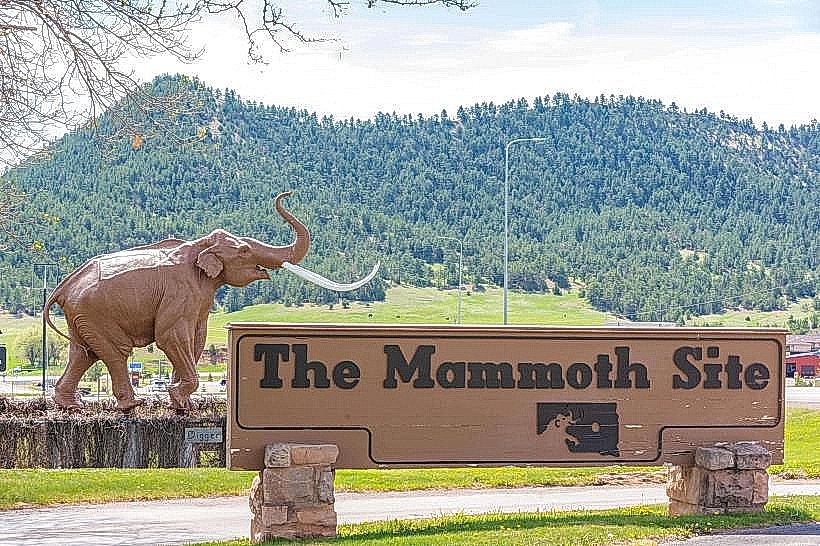
The Mammoth Site: An active, indoor paleontological dig site containing the largest concentration of Columbian and Woolly mammoth remains in the world.
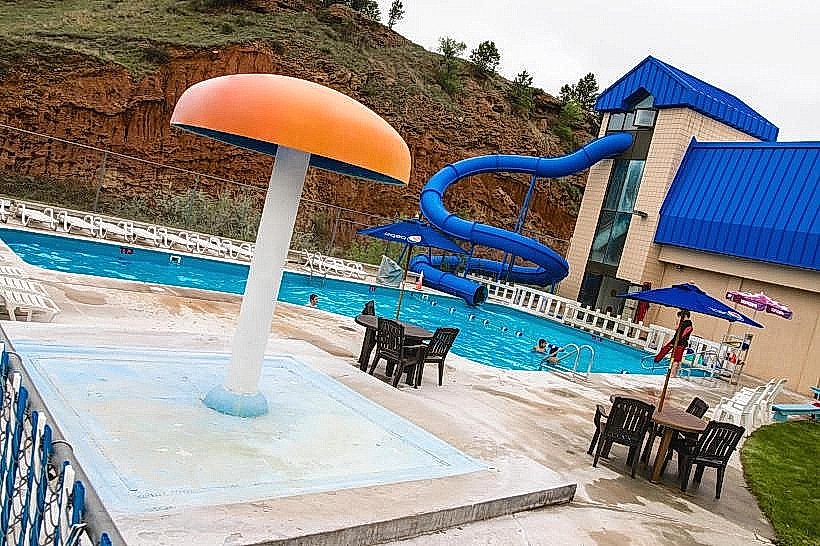
Evans Plunge Mineral Springs: Built in 1890 over the "Minnekahta" spring; the world's oldest natural warm-water indoor swimming pool.
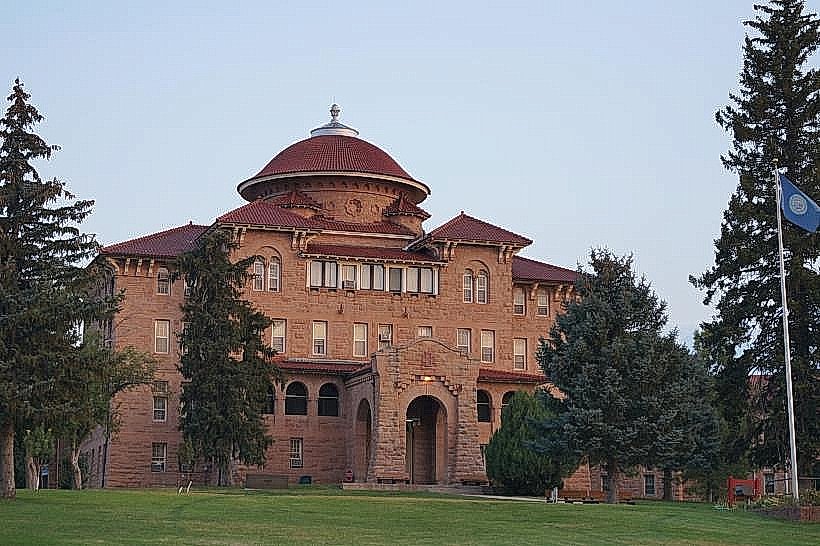
Battle Mountain Sanitarium (VA Medical Center): A Romanesque masterpiece and National Historic Landmark constructed of native sandstone.
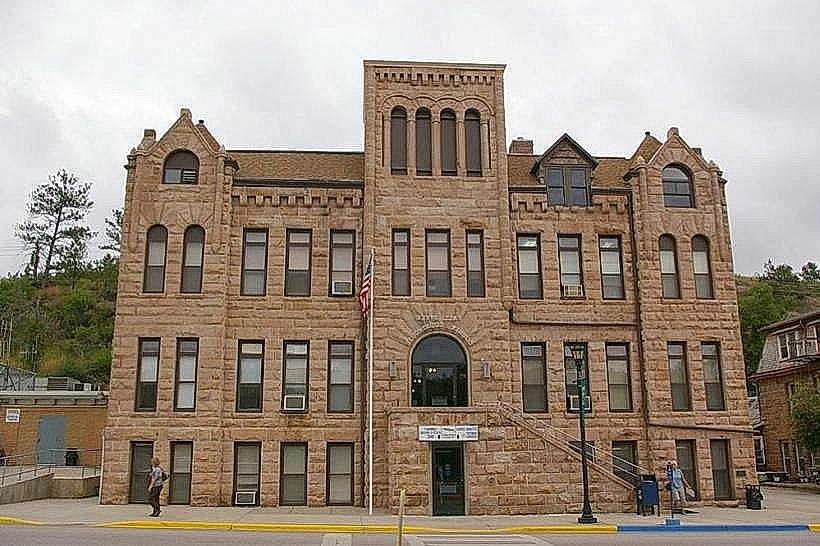
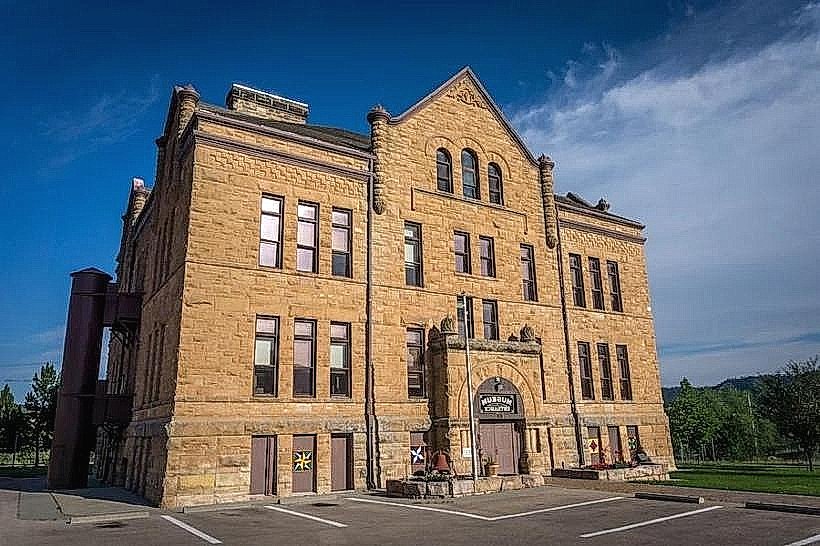
Fall River Pioneer Museum: Housed in a historic 1893 sandstone school building, documenting the frontier history of the southern hills.
The Freedom Trail: A 3.2-kilometer paved walking path following the Fall River through the heart of the city and its sandstone canyon.
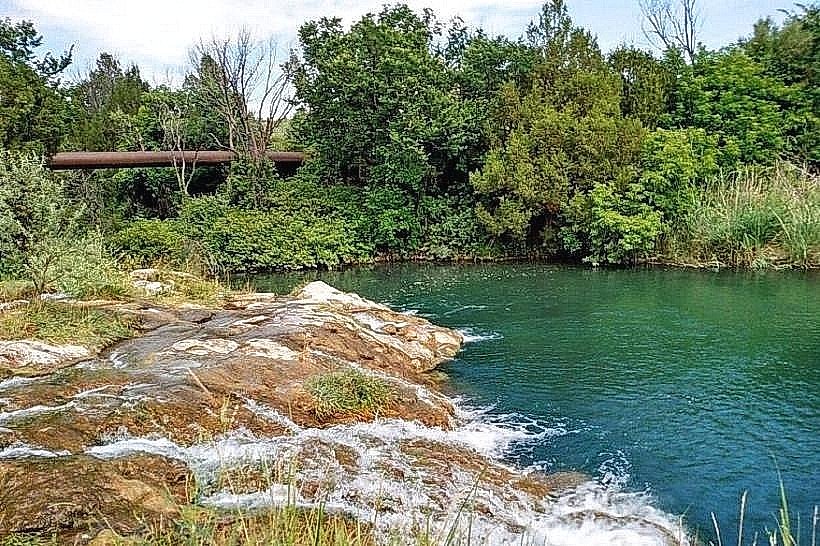
Cascade Falls: Located 15 km south; a natural warm-spring swimming hole and waterfall.
Transportation Network
Movement is automotive-centric. The city is a major junction for US-385 and US-18. Public transit is limited to Prairie Hills Transit (on-demand). Commercial air service is via Rapid City Regional (RAP), 90 km north.
Safety & "Red Zones"
The general safety level is very high. Crime rates are significantly below national averages. There are no "red zones." Environmental hazards include flash flooding in the narrow Fall River canyon and severe winter blizzards.
Digital & Financial Infrastructure
Internet speeds average 200–500 Mbps with fiber availability via Golden West. Main mobile carriers are Verizon and AT&T. Card acceptance is universal. South Dakota has no state income tax. Sales tax is 4.2% (plus a 2% city tax).
Climate & Air Quality
Temperatures range from -11°C to 2°C in winter and 14°C to 30°C in summer. Due to its lower elevation and canyon protection, it is often called the "Banana Belt" of the Black Hills for its milder winters. Air quality is pristine.
Culture & Social Norms
The standard tipping percentage is 20%. A "Formal-Frontier" greeting is standard. Dress codes are "Casual." The city is culturally defined by its Veterans' Heritage, its Healing Waters identity, and its role as the annual host of the Miss South Dakota pageant.
Local Cost Index
1 Espresso: $4.25 (USD)
1 Standard Lunch: $15.00 (USD)
1 Mammoth Site Admission: $14.50.
Nearby Day Trips
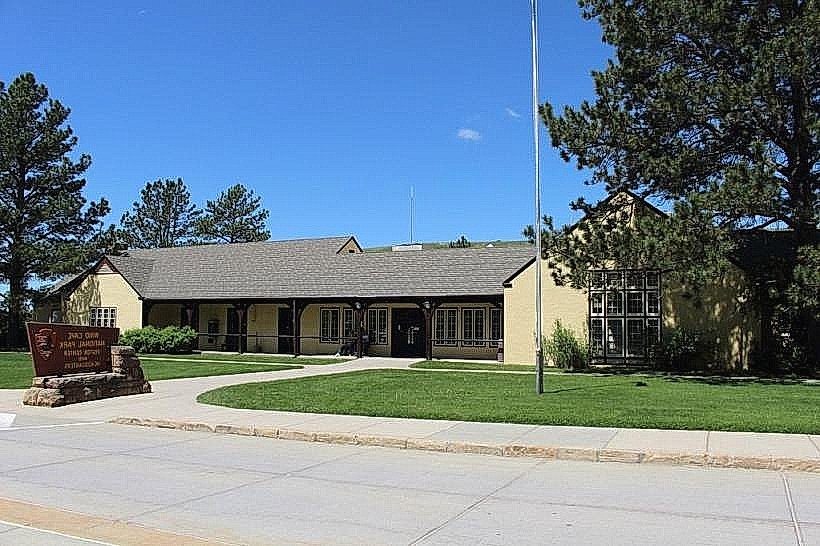
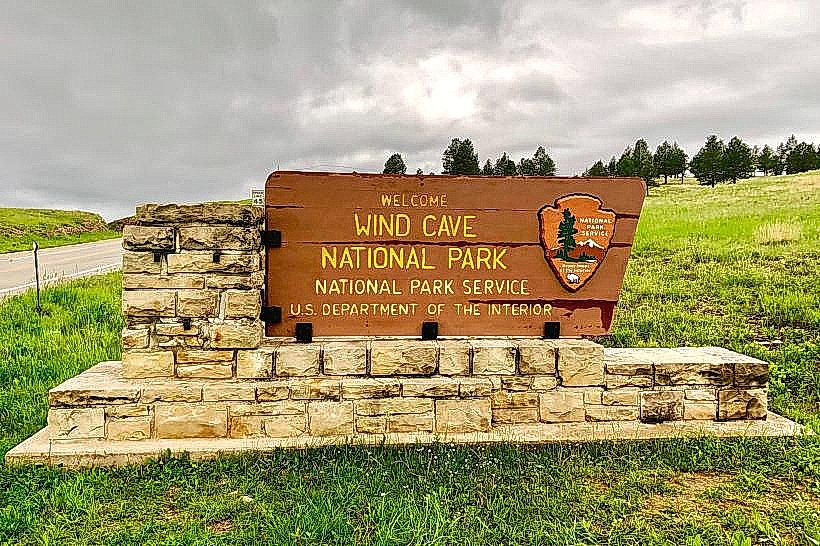
Wind Cave National Park: (15 km north; featuring one of the world's longest caves and a massive bison prairie).
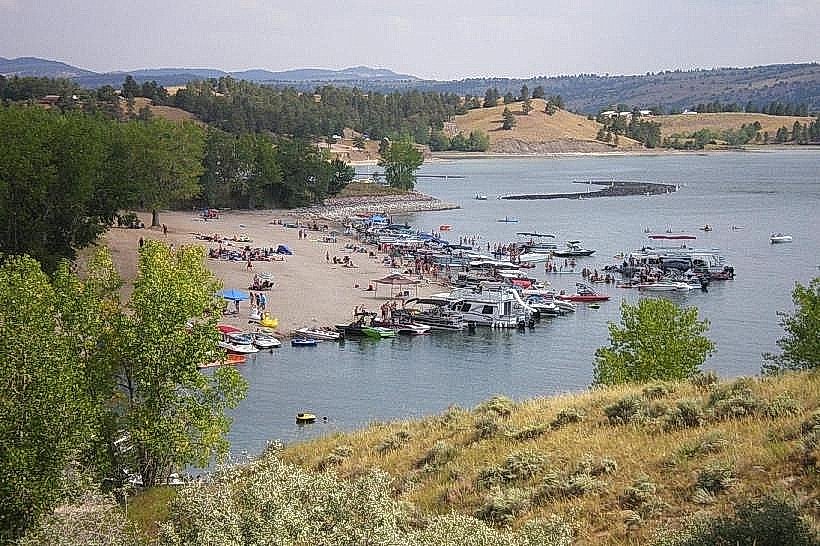
Angostura Reservoir: (15 km southeast; the primary "beach" and water recreation area for the Black Hills).
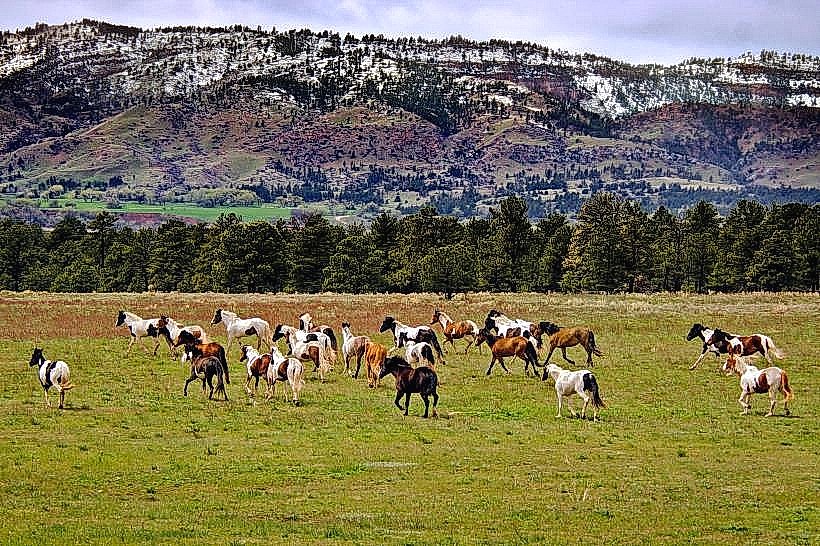
Black Hills Wild Horse Sanctuary: (25 km south; a 11,000-acre refuge for wild mustangs).
Facts & Legends
Hot Springs has the largest collection of 19th-century sandstone buildings in the United States. Historically, the city was the site of the "Battle of Battle Mountain," a legendary conflict between the Lakota and Cheyenne over the ownership of the healing springs. A local legend involves the "Spirit of the Springs," a guardian entity said to ensure the water never stops flowing at 31°C. Another legend concerns a "Secret Tunnel" system beneath the VA hospital used to transport patients discreetly during the early 20th century.