Information
Landmark: Pisac RuinsCity: Sacred Valley
Country: Peru
Continent: South America
Pisac Ruins, Sacred Valley, Peru, South America
Overview
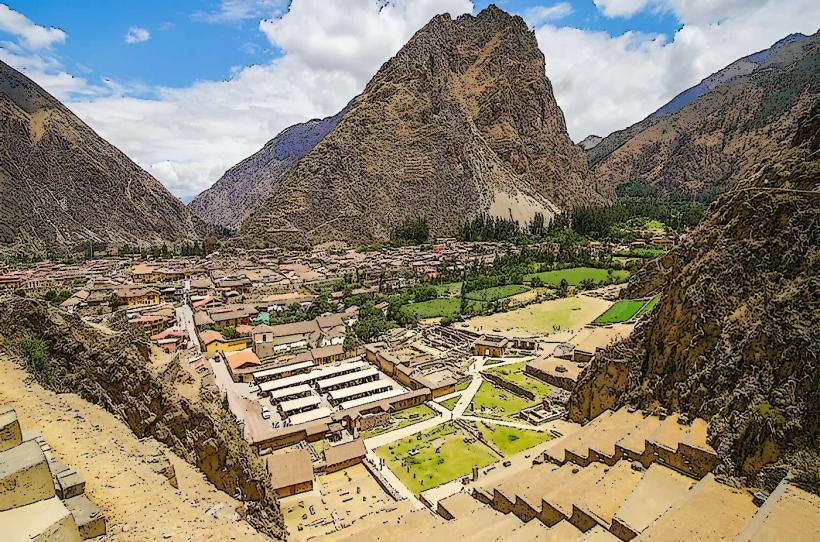
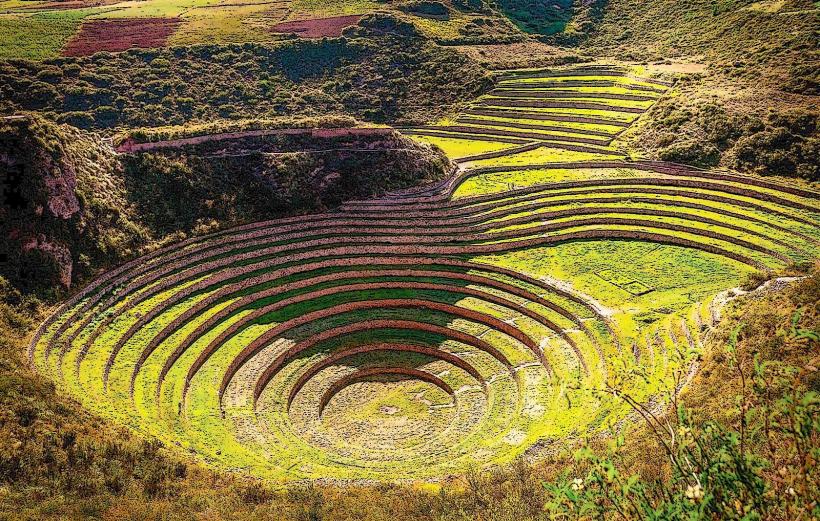
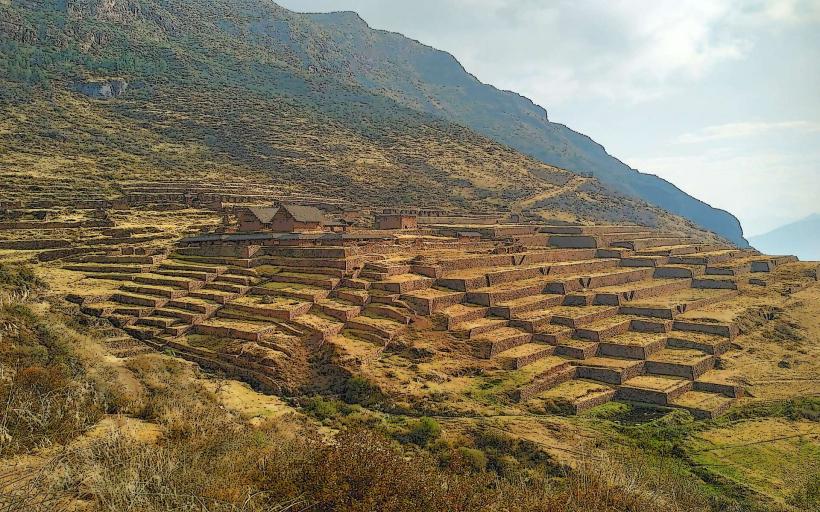
The Pisac Ruins, set high on a terraced hillside in the Sacred Valley of the Incas, sit just outside the town of Pisac, roughly 20 miles from Cusco, Peru, besides high on a windswept mountain ridge, the ruins overlook the valley, famed for their sweeping Inca terraces, stone fortress, intricate temples, and precise astronomical alignments.From the site, you can take in sweeping views of the Sacred Valley, where green terraces spill down the hillsides, and it remains one of the region’s top draws, moreover first.Pisac played a vital role in the Inca Empire, guarding the valley with its stone terraces while also hosting sacred rites, and people say the ruins once served as a royal estate, guarded a key military pass, and echoed with chants in a sacred temple.People believe Pisac served as a ceremonial site, likely tied to worship of the Sun God, Inti, therefore it also stood as a key stop along the Inca road, linking Cusco to other Sacred Valley landmarks where stone steps still warm under the afternoon sun.The Inca ruins at Pisac matter for more than their beauty-they reveal how the Inca engineered terraces, cultivated crops on steep hillsides, and built with precision, and they still hold traces of the careful grid-like planning that shaped their towns, consequently number two sat there, sharp as ink on the page.The Pisac Ruins showcase sweeping Inca terraces carved into the hillsides, sturdy stone fortresses, and sacred spaces once used for rituals, alternatively the site breaks into several distinct sections, each with its own draw-an ancient sundial carved in stone, a quiet space for rituals, and walls built for defense.Terraces: The standout feature of the Pisac ruins is its sweeping stone terraces, once used to grow crops along the mountainside, also stepped terraces climb the mountainside, where the Incas once grew maize, potatoes, and corn in the thin, sun-warmed soil.The terraces kept the soil from washing away and let the Incas grow potatoes and maize high in the thin mountain air, while the agricultural terraces show the Inca’s remarkable engineering and how they shaped the land to match steep, uneven slopes.In Pisac’s main temple complex, you’ll find stone altars and quiet ritual spaces where ceremonies once honored the Sun God, Inti, in turn the Temple of the Sun stands out in the complex, positioned so the first pale rays of winter solstice light spill through its doorway, a striking testament to the Inca’s mastery of astronomy and their deep bond with the sky, sort of The temple is closely tied to sun worship and sacred rites, where light spills across its stone walls at dawn, likewise the Inca citadel at Pisac crowns the highest ridge of the site, its strong walls once guarding against attack.Massive stone walls wrap around the citadel, their rough, icy surface built to keep invaders out, at the same time from the fortifications, you can observe the valley stretch out in every direction, the river glinting in the sun-a vantage point the Incas knew was perfect for defense.Historians believe the citadel also kept watch over trade routes and guarded the entrance to the Sacred Valley, consequently the Intihuatana at Pisac-a carved stone that catches the sun’s shadow-likely held deep astronomical meaning, somewhat Much like other Intihuatana stones at Inca sites, this rock probably served to track the solstices and mark key moments in the sky, such as the first sharp light of winter sunrise, in addition many believe it once served as both a ceremonial site and a calendar for Inca rulers and priests.At Pisac, you can still glimpse the clever hydraulic works-narrow stone channels and graceful aqueducts carrying cool water to the terraced fields and sacred plazas, furthermore the stone channels reveal the Incas’ remarkable skill in guiding water-an ability that kept crops thriving high in the thin, dry air of the Andes.At Pisac, excavations have uncovered tools and terraces that offer a vivid glimpse into their world, then at the site, excavations have turned up ceramics, tools, woven cloth, and other artifacts, each offering a glimpse into the Incas’ daily life-like the rough edge of a cooking pot still chipped from use.Many of the artifacts uncovered at Pisac tie directly to Inca religious rites and their military life-ceremonial vessels worn smooth by countless hands, and fragments of weapons once carried into battle, consequently archaeologists have uncovered sacrificial knives, ceramic figurines, and pottery-objects that hint at both sacred rituals and the site’s role in defending the region.Around Pisac, cliffside tombs and burial chambers point to its importance as a resting spot for Inca royalty and top officials, what’s more in the cliffs around the site, explorers have uncovered tombs holding mummified remains and minute offerings, like beads and pottery.The Pisac Ruins draw countless visitors to the Sacred Valley, and walking among their terraces and stone walls offers a vivid glimpse into Inca history, architecture, and farming, furthermore you can reach the site from the town of Pisac on foot or by car, and once there, join a guided tour to hear the stories behind the ruins and why they mattered.The trail up to the Pisac Ruins climbs steep and steady, but at the top you’re rewarded with sweeping views of the valley, its fields patchworked in gold and green, as well as the hike ranges from moderate to strenuous, with a steady climb that can leave your legs burning, partially It typically takes about an hour and a half to two hours to reach the main ruins, depending on your route and pace, therefore wear sturdy, comfortable shoes, and pack plenty of water for the hike.At the Pisac Ruins, you’ll find breathtaking views of the Sacred Valley-glimpses of the winding Urubamba River, sunlit terraces carved into the hillsides, and mountains rising sharp against the sky, in addition the site is a fantastic location to snap photos, especially at sunrise or sunset when golden light spills over the ruins.Interestingly, You can reach the Pisac Ruins from the town of Pisac, just a short ride from Cusco by bus, taxi, or private car, while pisac draws plenty of visitors heading through the Sacred Valley toward Machu Picchu, whether they drop by on a day tour or linger for a few days among the hills, in some ways Days are often warm, but the air turns crisp once the sun dips behind the mountains, in turn the best time to detect the ruins is in the dry season, from May to October, when rain is rare and the air smells of dust and sun-warmed stone.Mind you, Perched high in the mountains, the Pisac Ruins can leave you lightheaded, so take it leisurely, as well as sip plenty of water, pace yourself, and give your body time to adjust to the thin mountain air.Hiring a local guide can bring the ruins to life, sharing stories that linger like echoes among the stones, in turn in Pisac, you’ll find plenty of guides, and it’s easy to arrange a tour right at the entrance or book ahead.The Pisac Ruins rise above the valley, their stone terraces still sharp and golden in the afternoon light-one of the Sacred Valley’s most remarkable and well-preserved Inca sites, furthermore terraces step down the mountainside, temples rise in quiet stone, and ancient walls guard the horizon-together, these ruins reveal the Inca Empire’s brilliance and rich culture.Whether you’re sipping coffee on a quiet porch or rushing to catch the last train,
Author: Tourist Landmarks
Date: 2025-09-13