service

Pucara de Tiliviche | Moquegua


Information

Landmark: Pucara de Tiliviche
City: Moquegua
Country: Peru
Continent: South America

Pucara de Tiliviche, Moquegua, Peru, South America

Overview

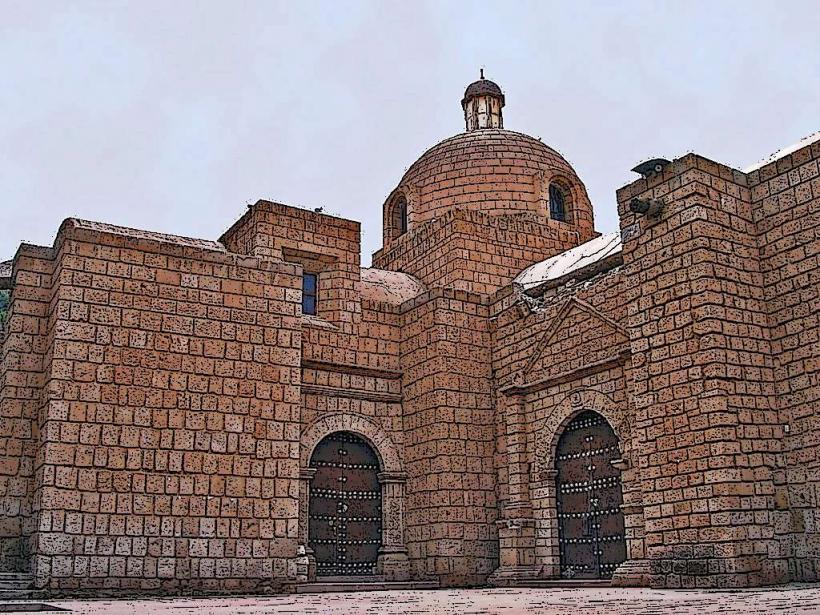
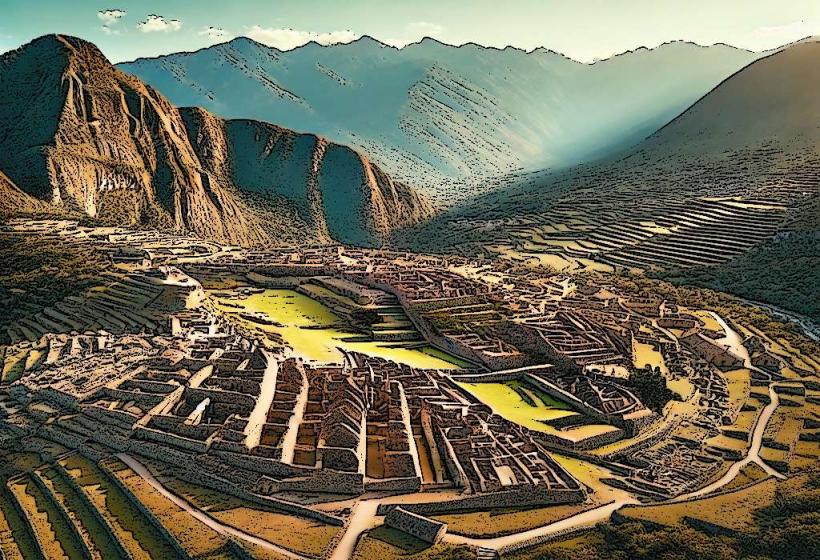
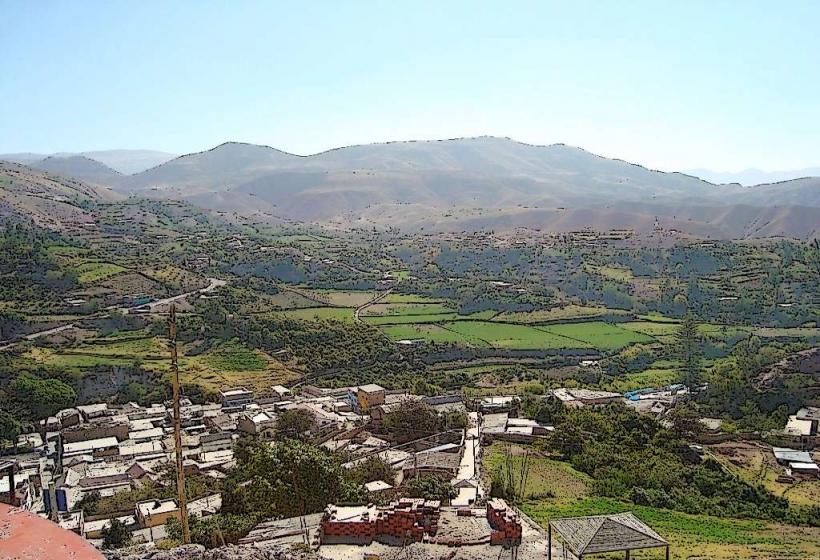
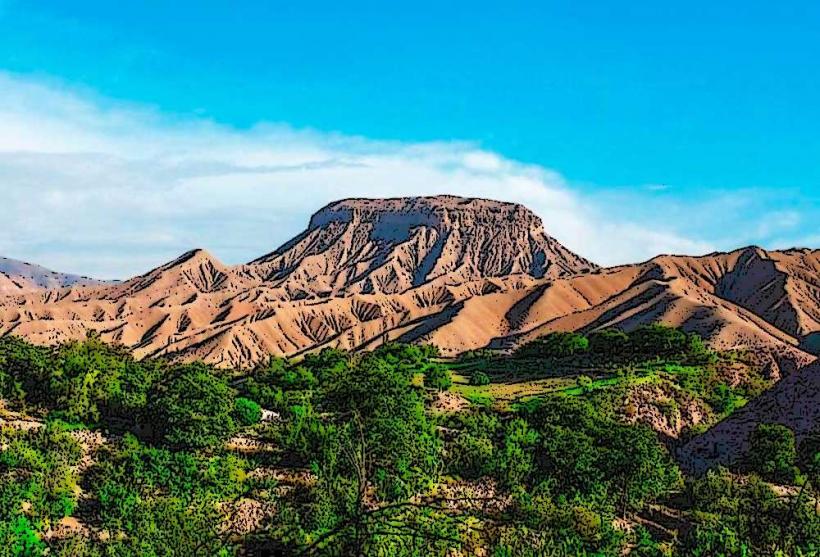
In southern Peru’s Moquegua Region, the Pucara de Tiliviche rises from the hillside, an archaeological site prized for its deep historical roots and rich cultural legacy, while this pre-Columbian site dates to the late Intermediate Period, around 1000 to 1400 CE, and links to the Tiwanaku culture as well as other Andean civilizations.Pucara de Tiliviche sits just outside the modest town of Tiliviche in the Moquegua Valley, roughly 20 kilometers north of Moquegua City, where the green slopes of the Peruvian Andes meet the stark, sun‑bleached edge of the coastal desert, meanwhile perched about 1,800 meters (5,906 feet) above sea level, it looks out over valleys and jagged peaks that fade into the distance, kind of Pucara de Tiliviche is thought to have been a strategic stronghold, a fortified town from the late intermediate period, then the site offers fascinating glimpses into the ancient Tiwanaku culture, along with traces of Moche and Inca influence woven into the region’s history.Perched high on a windswept plateau, it may have served both as a stronghold and a ceremonial gathering region, at the same time one striking feature of Pucara de Tiliviche is its massive stone walls, weathered and rough beneath the sun.People believe these walls once stood as sturdy defenses, keeping the villagers harmless from danger beyond, like the clang of distant swords in the night, not only that carved from local sandstone, the stonework shows remarkable skill, likely once forming part of the settlement’s defenses.Interestingly, Nearby, you can still spot circular and rectangular stone buildings standing in the sun, after that people likely lived in these structures, but they also gathered here for rituals and other community events; one building, with walls etched in faint spirals, may have served a ceremonial role, underscoring the site’s cultural and spiritual weight, partially Excavations at Pucara de Tiliviche have turned up pottery, tools, and other artifacts, as well as the pottery here reflects the styles of both the Tiwanaku and local Moquegua cultures, often showing sharp, geometric patterns like interlocking triangles.Archaeologists have also found ceramic figurines, stone tools, and shell jewelry-slight traces of daily routines and ceremonial life, besides deeper in the site, they uncovered spaces that seem meant for rituals, with weathered stone altars and raised sacred platforms.They may have served in Tiwanaku ceremonies honoring nature’s gods-the sun blazing overhead, the earth firm underfoot, also from its high perch, the site commands sweeping views in every direction, hinting it could once have doubled as a military stronghold, in some ways The spot likely served as a key lookout for watching trade routes and guarding the entrance to the Moquegua Valley, and Pucara de Tiliviche still bears the unmistakable stamp of the Tiwanaku culture-one of the most influential pre-Inca civilizations in the Andean highlands, where stone walls once caught the sun in sharp, golden light, as a result the Tiwanaku people built intricate stone temples, mastered clever farming methods like raised fields, and followed rich religious traditions, occasionally Their reach stretched across southern Peru, western Bolivia, and northern Chile, in addition while the site is best known for its Tiwanaku roots, you can still spot traces of later cultures-like the Inca-who carried their empire deep into this land, fairly The site’s layered history makes it a vital locale for grasping how Andes cultures once met and mingled, subsequently its thick stone walls, still cool to the touch, hint at a past as a military outpost or defensive stronghold.It probably helped safeguard trade routes and shield the farming communities in the valleys below, where cornfields catch the afternoon sun, meanwhile you can reach Pucara de Tiliviche from the city of Moquegua.Most visitors drive, since the site sits about twenty minutes from the city, just far enough for the hum of traffic to fade, on top of that tucked away from the usual tourist trail, the site gives you a closer, more personal glimpse of Peru’s ancient past, more or less It may lack the polished facilities of bigger ruins, but for anyone drawn to pre-Columbian history, it’s still a spot worth the dusty trek, along with local guides can share fascinating details about the site’s history, its intricate stonework, and why it mattered to the people who built it.The dry season, from May to September, brings crisp air and clear skies, making hikes up the dusty paths easier and more enjoyable, as well as at Pucara de Tiliviche, you’ll stroll through an ancient fortified settlement and ceremonial center, remarkably preserved and steeped in cultural and historical meaning, generally Pucara de Tiliviche offers a rich glance into Tiwanaku culture and the pre-Inca civilizations of the Andes, and tucked far from the crowds that fill Peru’s better-known ruins, it gives you space to wander in quiet and take it in at your own pace.From what I can see, From its hilltop perch, you can view the Moquegua Valley spread out below, with dusty mountains and ribbons of desert stretching to the horizon-perfect for photos or simply standing still in the wind, moreover walking among its stones, you’ll catch a glimpse of how fortified settlements once safeguarded ancient Andean communities and shaped their history.If you’re drawn to Peru’s archaeology and history, Pucara de Tiliviche is a must-discover-this remarkable site in the country’s south lets you step into the world of the Tiwanaku civilization, where weathered stone walls still hold echoes of ancient life, along with its stone walls, sacred plazas, and treasured relics make it a vivid landmark of the region’s pre-Columbian past.If you’re heading to the Moquegua region, this spot offers a rich experience without the crowds-think quiet stone pathways and echoes of the past-making it a must-notice for history lovers and curious travelers alike.
Author: Tourist Landmarks
Date: 2025-09-13


Location

Get Directions


Rate it

You can rate it if you like it


Share it

You can share it with your friends


Contact us

Inform us about text editing, incorrect photo or anything else

Contact us

Landmarks in Moquegua

Torata Church
Landmark

Torata Church

Moquegua | Peru
Machu Llacta
Landmark

Machu Llacta

Moquegua | Peru
Petroglyphs of Chen Chen
Landmark

Petroglyphs of Chen Chen

Moquegua | Peru
Torata
Landmark

Torata

Moquegua | Peru
Laguna de Salinas
Landmark

Laguna de Salinas

Moquegua | Peru
Cerro Baúl
Landmark

Cerro Baúl

Moquegua | Peru


Latest Landmarks

Mowana Lodge

Kasane | Botswana

Tsodilo Hills

Maun | Botswana

Peleng Ward Kgotla

Lobatse | Botswana

Brunei Arts and Handicraft Centre

Bandar Seri Begawan | Brunei

Lobatse Old Police Station

Lobatse | Botswana

Boteti River

Letlhakane | Botswana

Tourist Landmarks ® All rights reserved