Information
Landmark: Punalu'u Black Sand BeachCity: Kailua Kona
Country: USA Hawaii
Continent: North America
Punalu'u Black Sand Beach, Kailua Kona, USA Hawaii, North America
Overview
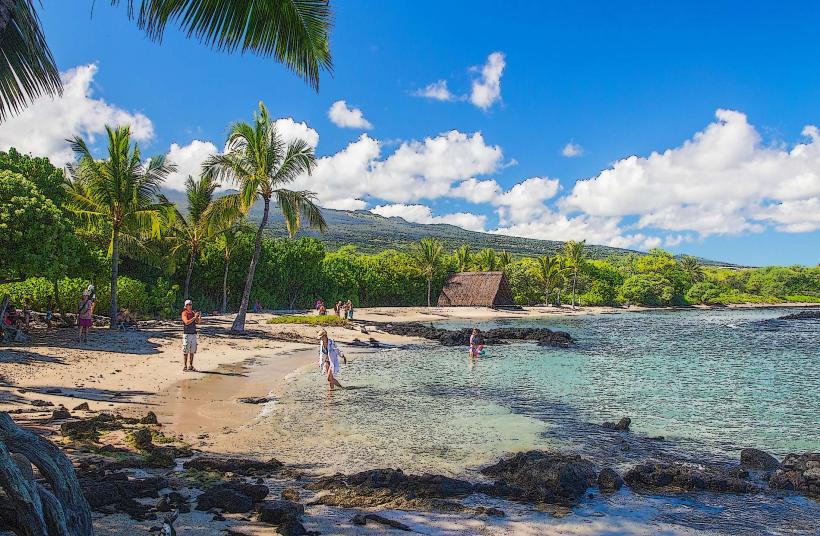
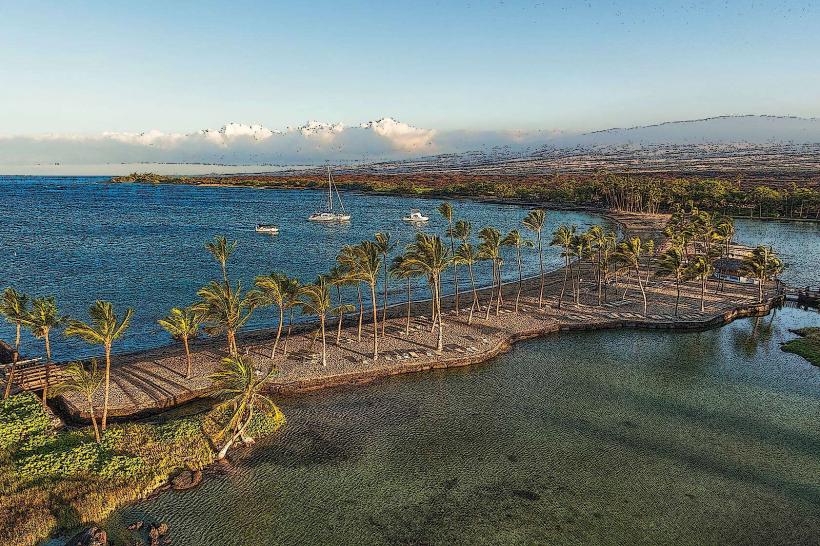
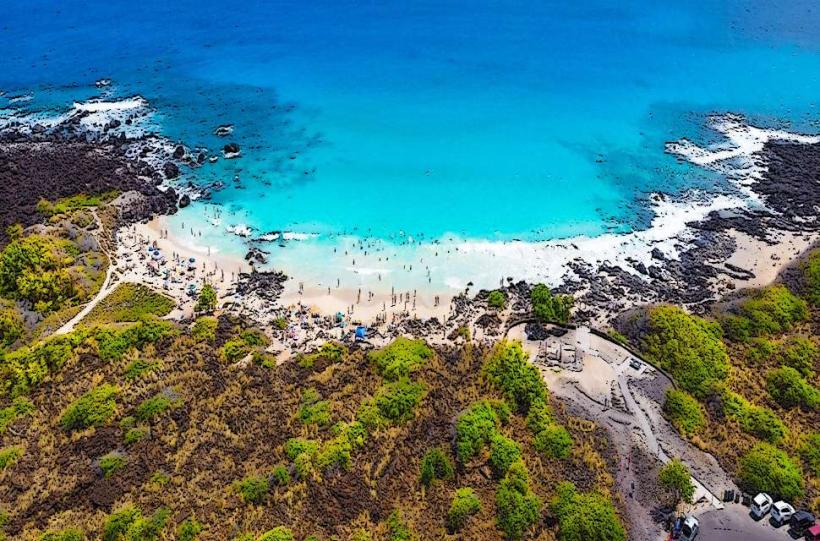
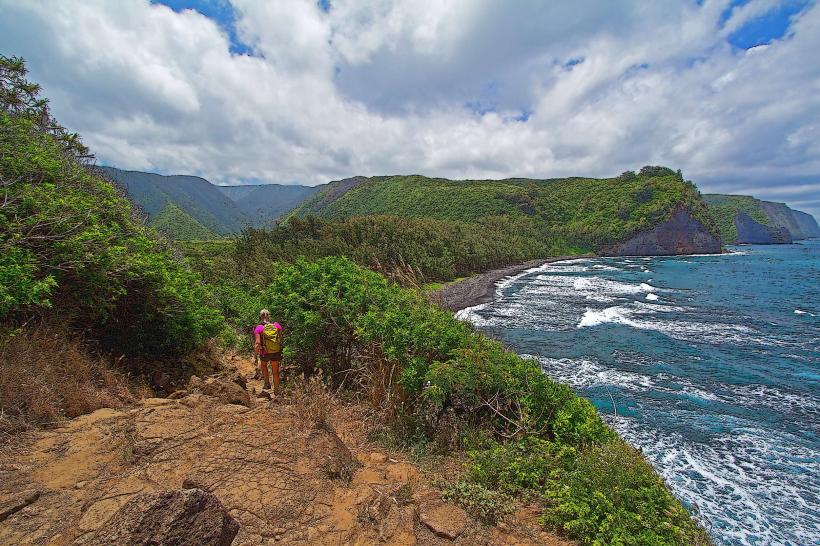
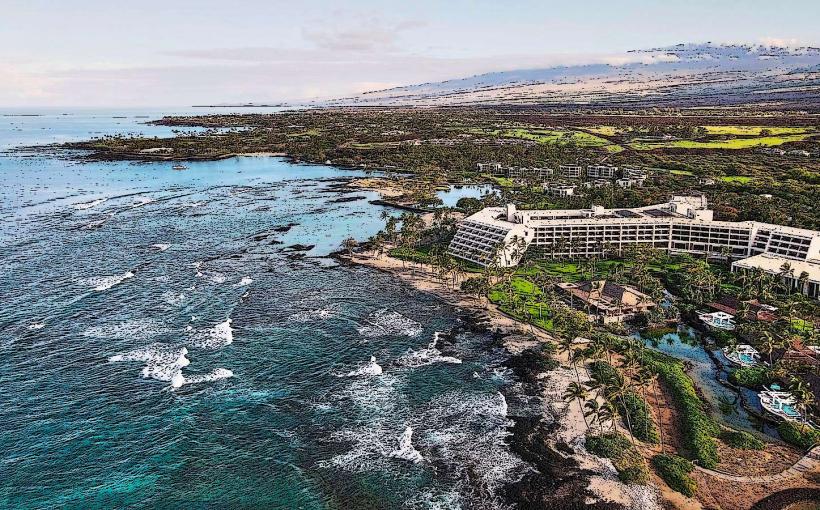
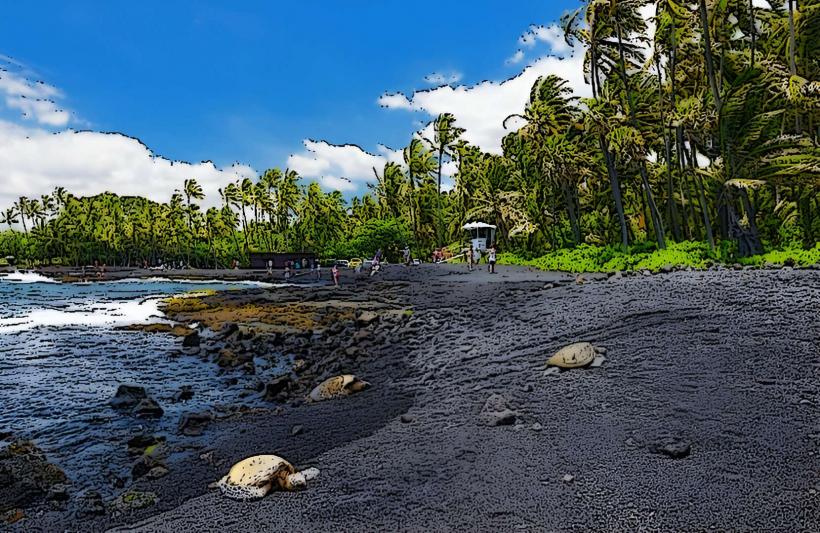
On Hawaii’s huge Island, Punaluʻu Black Sand Beach draws crowds with its striking shore of smooth, jet‑black sand, after that punaluʻu, with its shimmering black sand born from ancient lava flows, draws visitors into the quiet beauty of Hawaii’s volcanic past.Not surprisingly, It draws hikers, birdwatchers, and anyone eager to enjoy a beach unlike any other, where driftwood bleaches in the sun and waves crash against rocky tide pools, subsequently punaluʻu Black Sand Beach sits on the enormous Island’s southeastern coast, just 2 miles from Naʻalehu.It’s about a 35-mile drive south from Hilo, where the road winds past green sugarcane fields and ocean cliffs, in turn you’ll find it right off Hawaii Belt Road (Route 11), an easy pull-over for anyone roaming the island’s southern coast, moderately The beach stands out for its striking black sand-tiny, glassy grains born when Mauna Loa and Kīlauea’s molten lava hit the ocean, hissed, and cooled into fragments under the waves, and that’s what gives the beach its striking scan and makes it a favorite spot for photographers.The sand at Punaluʻu is pure volcanic basalt, so black it almost gleams in the sun, moreover over time, lava pours into the ocean, hissing as it meets the waves, then cools and breaks into tiny shards that form the beach’s striking black sand.Visitors stroll the shore and feel its coarse, warm grains under their feet, and black sand meets luminous green palms and water so clear you can witness the ripples, making Punaluʻu Beach a stunning spot-and it’s often graced by leisurely-moving Hawaiian green sea turtles basking in the sun, in some ways At Punaluʻu Beach, you might spot several sea turtles stretched out on the black sand, soaking up the sun, while wedge-tailed shearwaters, tropicbirds, and herons wheel overhead, simultaneously it’s a stunning sight, but keep your distance and follow local rules to help protect these endangered animals.The water may behold tempting, yet strong currents and choppy waves can make swimming risky-especially if you’re not an experienced swimmer, then always check the conditions before you go in-the water can change quick.This beach is better for strolling along the sand, sharing a picnic, or just sitting with your toes in the surf than for high-energy sports like surfing or snorkeling, then just a short saunter away, Punaluʻu Lagoon greets you with calm water perfect for an easy snorkel or a quiet float.Back at Punaluʻu Beach, you’ll find picnic tables shaded by palms, clean restrooms, and trash bins-everything you need for a unhurried, lazy afternoon by the shore, meanwhile many visitors pack snacks or fresh fruit to enjoy a picnic by the shore, listening to the waves while they feast, perhaps Tall palms cast cool shadows across the sand, offering a welcome break from the heat, and like much of Hawaii, Punaluʻu holds deep cultural meaning for Native Hawaiians.Fishermen once worked the black sand beaches, hauling in nets heavy with the day’s catch, and the shore served as a hub for other vital community activities, moreover the surrounding area holds a wealth of ancient Hawaiian sites, from weathered fishing shrines to remnants of long‑practiced traditions, not entirely The black sand underfoot whispers of the island’s volcanic past, each grain shaped by fire and sea, after that punaluʻu lies within the reach of Kīlauea and Mauna Loa, its very shoreline born from their past eruptions.Curiously, Fresh black sand keeps spilling onto the shore with each current lava flow, so the beach never looks quite the same twice, meanwhile along the vast Island’s southern coast, the air stays warm all year, usually hovering between 70°F (21°C) and 85°F (29°C).This part of the island tends to get more rain than elsewhere, especially in winter when clouds roll in and the air smells of wet earth, equally important sea turtles appear year-round, but you’ll spot them more often in the warmer months, particularly in summer.For the best visit, come early in the morning or late in the afternoon-you’ll beat the crowds and catch the black sand glowing under sunrise or sunset light, at the same time if you spot turtles basking on the shore, give them plenty of space.Frankly, Hawaiian green sea turtles are legally protected, and if you bother one-even just by getting too close-you could face a hefty fine, subsequently stay at least 10 feet (3 meters) away from the turtles, and watch your step-the black sand soaks up the sun’s heat until it feels like walking on a stove by midday, roughly If you’re heading out for a stroll along the beach, bring sunscreen, a hat, and sturdy shoes-you’ll be glad you did when the sand gets sweltering, equally important for swimming at Punaluʻu, check the water first; the waves there can hit hard and prompt.Check with local authorities or a lifeguard before you swim-conditions can change rapid, what’s more punaluʻu Beach is easy enough to reach, but its soft black sand and uneven ground make it impossible for wheelchairs to navigate, in some ways The restrooms and picnic tables sit just steps from the shore, and Punaluʻu Black Sand Beach remains a must-behold for anyone exploring Hawaii’s vast Island, subsequently with its jet-black sand warm beneath your feet, lively seabirds overhead, and a calm that settles deep, it’s a one-of-a-kind stop along Hawaii’s southern coast you won’t forget, maybe Whether you’re snapping photos of the shore, stretched out beneath swaying palms, or watching sea turtles sun themselves on warm black sand, Punalu'u delivers a Hawaiian experience you won’t forget, likewise remember to treat the environment with care-leave the wildflowers where they grow-and follow safety rules so everyone can enjoy their visit., partially
Author: Tourist Landmarks
Date: 2025-09-10