Information
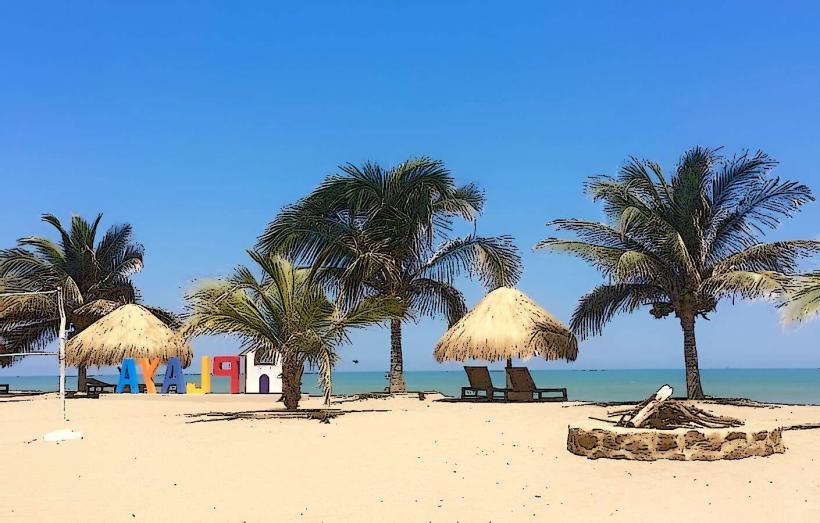
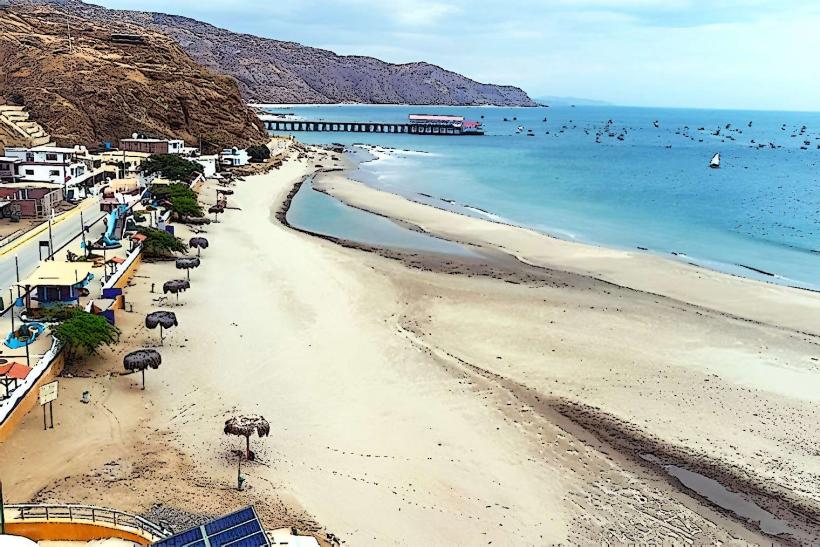
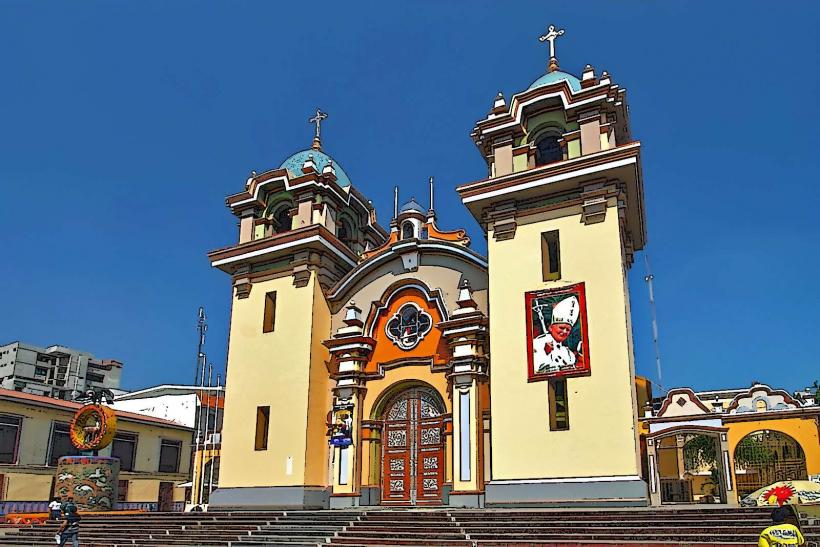
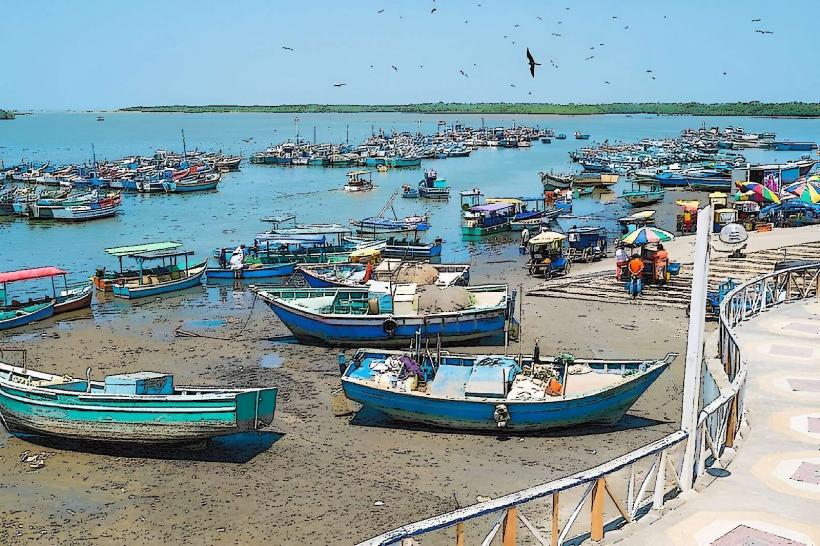
Landmark: Punta Sal BeachCity: Tumbes
Country: Peru
Continent: South America
Punta Sal Beach, Tumbes, Peru, South America
Can Marroig Natural Reserve is a protected area located on the northern coast of Formentera, within the municipality of Sant Ferran de Ses Roques in the Balearic Islands.
Visual Characteristics
The reserve encompasses a coastal landscape characterized by low-lying scrubland, pine forests, and rocky shorelines. The vegetation is predominantly Mediterranean garrigue, featuring species such as rosemary, thyme, and juniper. The coastline consists of irregular rock formations interspersed with small, undeveloped coves. The sea water in the vicinity is typically clear and exhibits shades of blue and green.
Location & Access Logistics
Can Marroig Natural Reserve is situated approximately 5 kilometers north of Sant Ferran de Ses Roques. Access is via the PM-2300 road, turning onto a dirt track signposted for Es Caló. The reserve is accessible by private vehicle, with limited parking available at designated points near the entrance. Public transport options are not directly available to the reserve; however, local bus services operate to nearby settlements like Es Caló, from which a walk of approximately 1.5 kilometers is required.
Historical & Ecological Origin
The area's ecological origin is a result of natural coastal processes and Mediterranean climate influences. Historically, the land was used for agricultural purposes, with remnants of dry stone walls and small cultivation terraces still visible. The designation as a Natural Reserve aims to preserve its characteristic flora, fauna, and landscape.
Key Highlights & Activities
Visitors can engage in walking along marked trails that traverse the reserve's varied terrain. Birdwatching is a primary activity due to the presence of various resident and migratory species. Observation of the coastal geology and the Mediterranean flora is also possible. Swimming and sunbathing are permitted in designated coves, subject to sea conditions.
Infrastructure & Amenities
Basic infrastructure within the reserve includes marked walking trails and informational signage. Restrooms are not available within the reserve itself. Shade is provided by natural tree cover in forested areas. Cell phone signal (4G/5G) is generally available but can be intermittent in more remote sections. No food vendors are present within the reserve; visitors should bring their own provisions.
Best Time to Visit
The best time for visiting is during the spring (April to June) and autumn (September to October) months, when temperatures are moderate and the vegetation is at its most vibrant. Mid-morning or late afternoon offers optimal lighting conditions for photography, avoiding harsh midday sun. High tide is not a critical factor for access or activities.
Facts & Legends
A notable feature of Can Marroig is the presence of ancient Phoenician ruins, including a small necropolis, indicating early human settlement in the area. Local folklore speaks of smugglers using the secluded coves centuries ago to offload contraband.
Nearby Landmarks
- Es Caló (1.5km South)
- Punta Prima (3km South-East)
- Cap de Barbaria Lighthouse (4km South-West)
- La Mola Lighthouse (4.5km East)