Information
Landmark: Rock Springs Historical MuseumCity: Rock Springs
Country: USA Wyoming
Continent: North America
Rock Springs Historical Museum, Rock Springs, USA Wyoming, North America
The Rock Springs Historical Museum sits near the heart of Rock Springs, Wyoming, anchoring a block of the city that blends civic purpose with local culture. The museum is modest in scale but rich in character, offering visitors a concentrated window into the history, industry, and cultural life of Sweetwater County and the surrounding region.
Setting and Exterior
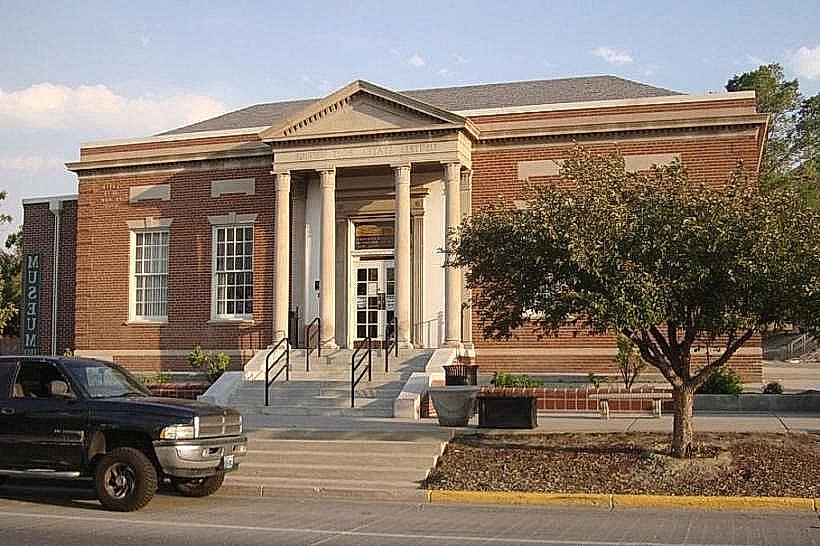
The building itself is a single-story brick structure, blending into the surrounding streetscape without imposing grandeur. Its low roofline, clean façade, and small signage convey a welcoming, approachable feel. Mature trees along the sidewalk provide shade and a sense of permanence, while the nearby street hums with local activity-commuters, cyclists, and pedestrians-adding a subtle vibrancy to the environment.
A small plaza or lawn at the front allows visitors to pause before entering. In spring and summer, flowerbeds and neatly trimmed shrubs frame the entrance, giving the museum a gentle, inviting presence.
Interior Layout and Atmosphere
Inside, the museum is compact but efficiently organized, with a series of galleries arranged to tell the chronological and thematic story of Rock Springs. The flooring is polished wood or tile, and the walls are neutral, allowing artifacts and photographs to stand out. The air carries a quiet, slightly musty scent of history-aged wood, archival paper, and display cases that have preserved decades of local stories.
Exhibit lighting highlights photographs, documents, and artifacts, while benches are strategically placed for moments of rest or reflection. The museum maintains a balance of accessibility and intimacy, making it easy to move through the collections without feeling rushed.
Collections and Exhibits
The museum’s holdings focus on several central themes:
Mining and Industry: Displays detail the region’s coal and mineral extraction history, including tools, photographs, and personal accounts from miners. Artifacts such as helmets, lamps, and surveying equipment help visitors connect physically to the labor-intensive past.
Immigrant and Cultural History: Rock Springs became a hub for diverse communities, and the museum showcases Chinese, European, and Hispanic immigrant experiences through photographs, textiles, and personal letters, capturing both struggle and community life.
Railroads and Transportation: Exhibits highlight the impact of railroads on the town’s development, featuring maps, timetables, and historical train models.
Local Life and Civic History: Items such as school memorabilia, household tools, and local business artifacts provide a snapshot of daily life across generations.
Small interpretive plaques and multimedia displays provide context, while occasional rotating exhibits bring in contemporary topics or highlight specific community contributions.
Visitor Experience
Visitors often find themselves lingering in the mining and immigrant history sections, drawn to personal stories and historic photographs. The museum encourages reflective engagement, allowing guests to see how local industry, migration, and community have shaped the town. On weekends or special event days, the museum may host talks, workshops, or educational programs, adding a dynamic social layer to the visit.
Seasonal and Environmental Character
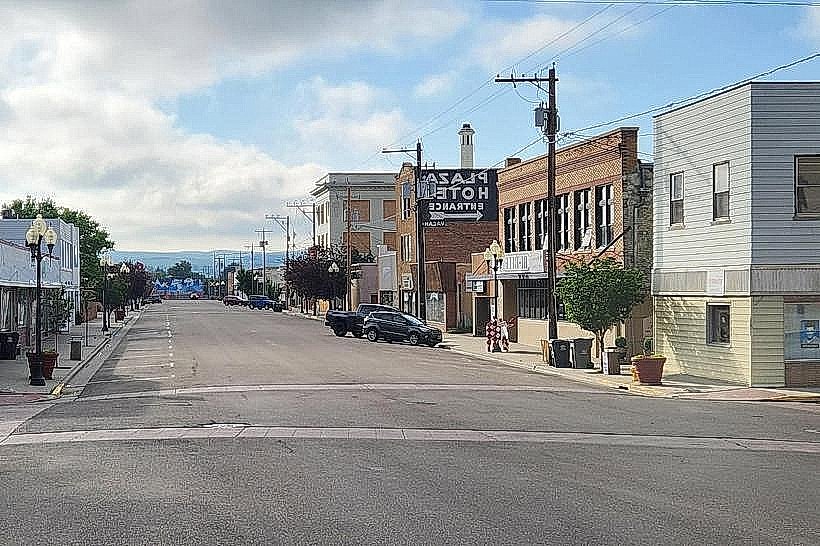
The museum’s interior atmosphere remains consistent year-round, buffered from the high-desert climate outside. However, the surrounding streetscape reflects Wyoming’s seasonal shifts-snow-dusted sidewalks in winter, bright prairie sunlight in summer, and gentle breezes in spring and fall that filter through nearby trees and create a sense of place.
Overall Character
The Rock Springs Historical Museum is a quiet but rich portal into the area’s past. It combines accessible, thoughtfully curated exhibits with a tangible sense of local identity, offering insight into mining, immigrant life, and community evolution. Visitors leave with both a factual understanding of Sweetwater County’s history and a personal sense of the lives, labor, and resilience that shaped the region.