Information
Landmark: Roswell Historic DistrictCity: Roswell
Country: USA New Mexico
Continent: North America
Roswell Historic District, Roswell, USA New Mexico, North America
The Roswell Historic District is a designated area within the city of Roswell, New Mexico, USA, preserving early 20th-century architecture.
It encompasses a collection of buildings that represent the city's development during its formative years.
Visual Characteristics
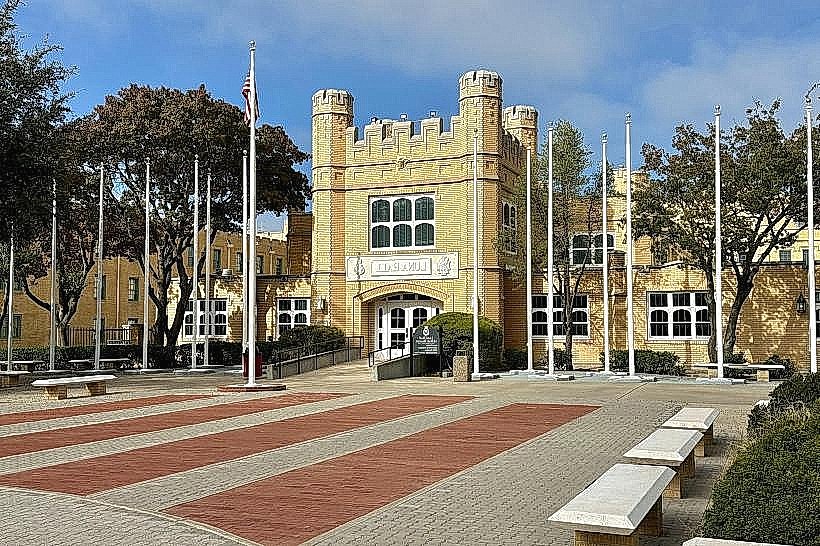
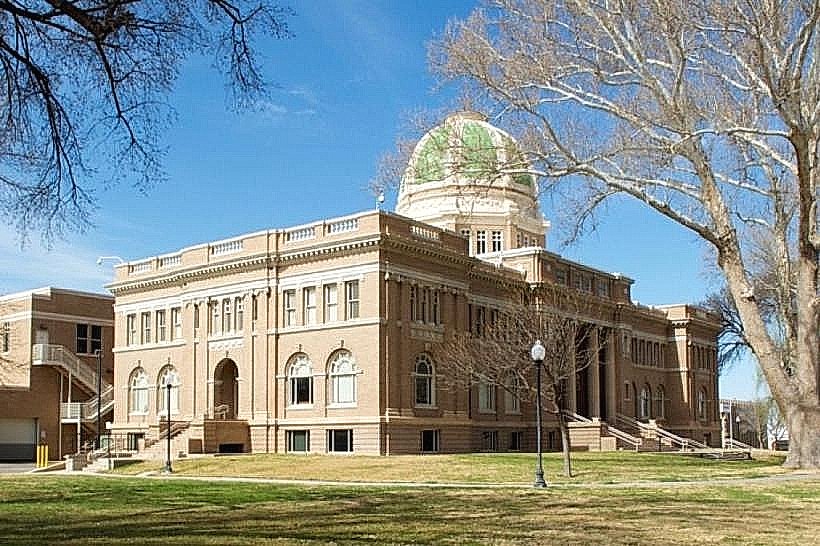
The district features a concentration of early 20th-century commercial and residential structures. Building materials commonly include brick, stucco, and wood. Architectural styles present include Spanish Colonial Revival, Pueblo Revival, and Art Deco. Building heights are generally low-rise, typically one to three stories. Color palettes range from earth tones to pastel shades.
Location & Access Logistics
The Roswell Historic District is located in the downtown area of Roswell, New Mexico. It is centered around Main Street, extending several blocks in each direction. The district is approximately 1.5km South of the geographic center of Roswell. Ample street parking is available within the district, though metered parking regulations apply during business hours. Public transport options include the Roswell Transit System, with several bus routes serving Main Street and adjacent avenues.
Historical & Ecological Origin
The district's origin dates back to the late 19th and early 20th centuries, coinciding with Roswell's establishment and growth as a railroad town and agricultural center. Many buildings were constructed between 1900 and 1940, reflecting the economic prosperity of that era. The original purpose of these structures was primarily commercial, residential, and civic.
Key Highlights & Activities
Walking tours of the district are available, focusing on architectural details and historical context. Several shops and galleries operate within the historic buildings, offering local crafts and art. The Roswell Museum and Art Center is located on the periphery of the district and provides further historical context.
Infrastructure & Amenities
Restrooms are available in public buildings and some commercial establishments. Shade is provided by awnings and mature trees along sidewalks. Cell phone signal (4G/5G) is generally consistent throughout the district. Food vendors and restaurants are located within the district and along Main Street.
Best Time to Visit
For optimal lighting for photography of building facades, early morning (8:00 AM - 10:00 AM) and late afternoon (4:00 PM - 6:00 PM) are recommended. The months of April, May, September, and October offer moderate temperatures suitable for walking tours. Summer months (June-August) can experience high temperatures.
Facts & Legends
A notable historical fact is that the Roswell Daily Record newspaper, which famously reported on the alleged 1947 UFO incident, was headquartered within this historic district. The building still stands and is identifiable by its original signage.
Nearby Landmarks
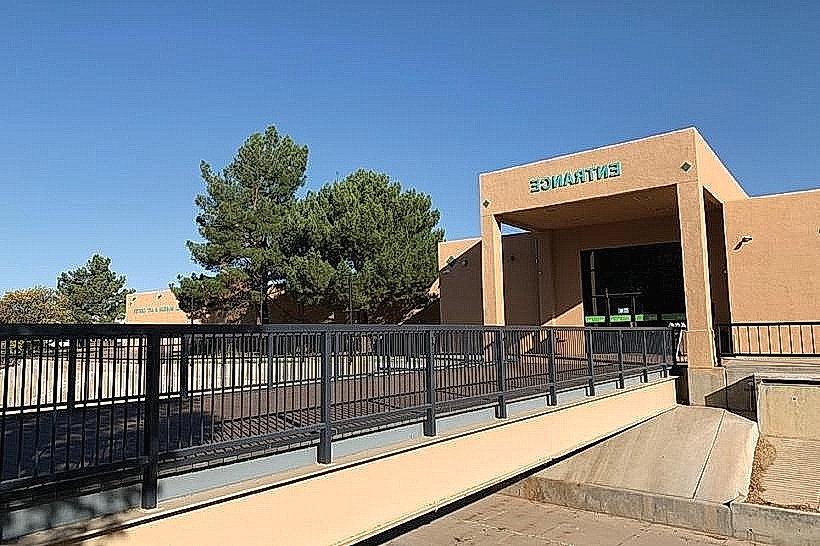
- Roswell Museum and Art Center (0.3km Northwest)
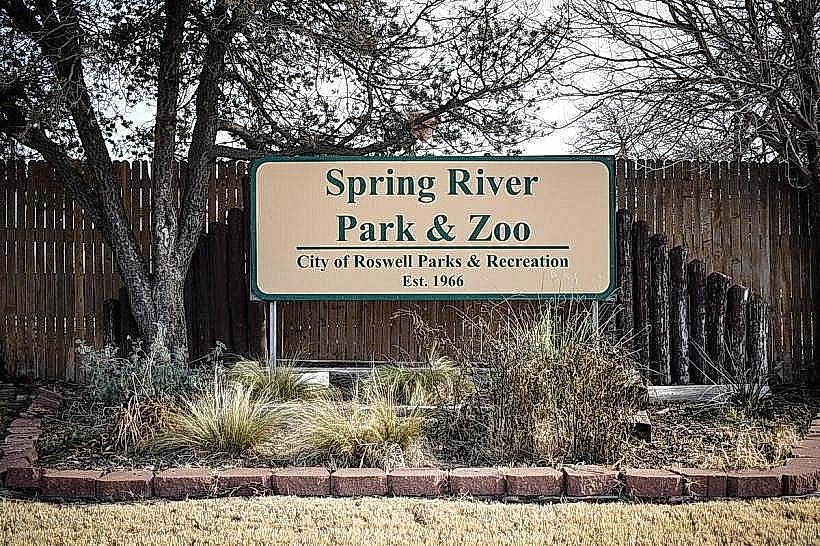
- Spring River Park and Zoo (1.8km East)
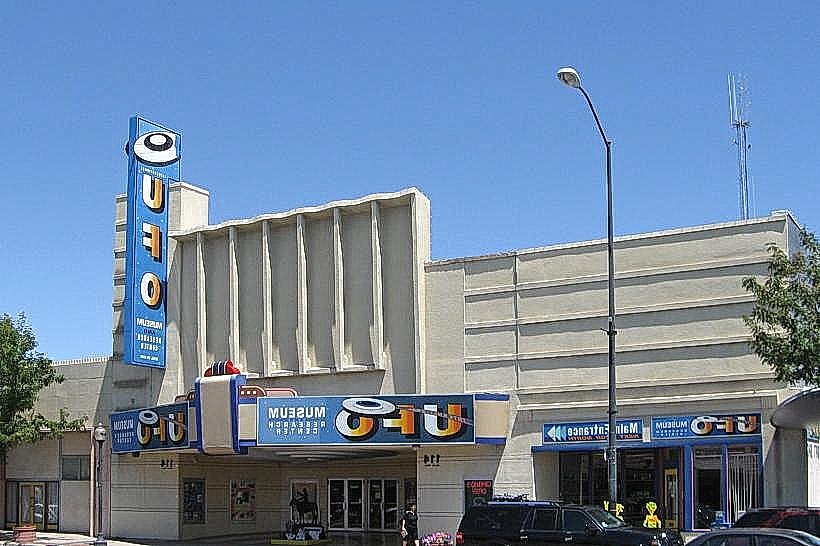
- International UFO Museum and Research Center (0.6km North)
- Bitter Lake National Wildlife Refuge (25km Northeast)