Information
Landmark: Walker Aviation MuseumCity: Roswell
Country: USA New Mexico
Continent: North America
Walker Aviation Museum, Roswell, USA New Mexico, North America
The Walker Aviation Museum is an aviation history museum located in Roswell, New Mexico, USA.
It preserves and displays artifacts related to aviation, with a particular focus on Roswell's role in aviation history.
Visual Characteristics
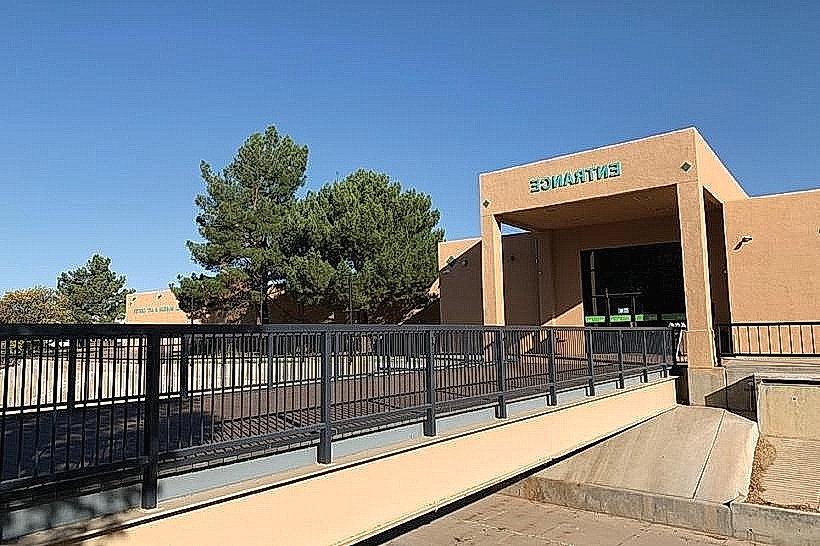
The museum is housed within a former airport hangar. The structure is a large, rectangular metal building with a corrugated metal exterior. The primary color of the building is a weathered silver-grey. Inside, the main exhibition space is open, with aircraft and displays arranged on the concrete floor. The ceiling is high, supported by exposed steel beams.
Location & Access Logistics
The museum is situated at 905 W Second Street, Roswell, NM 88201. It is approximately 1.5 miles west of the Roswell city center. Access is via West Second Street, which is a paved public road. Parking is available on-site in a gravel lot adjacent to the main building. No public transport routes directly serve the museum; visitors typically arrive by private vehicle.
Historical & Ecological Origin
The building itself was originally constructed as a hangar for the Roswell Army Air Field during World War II. It served various military aviation purposes before being repurposed for civilian use and eventually becoming the Walker Aviation Museum. The land is part of the Chihuahuan Desert region, characterized by arid conditions and sparse vegetation.
Key Highlights & Activities
Visitors can view a collection of vintage aircraft, including a B-17 Flying Fortress and a P-51 Mustang. Exhibits detail Roswell's aviation history, including its role in early flight and the development of the local airport. Static displays of aviation artifacts, engines, and memorabilia are present. Educational displays explain aerodynamic principles.
Infrastructure & Amenities
Restrooms are available within the museum building. Limited shaded areas are present in the form of overhangs on the building exterior. Cell phone signal (4G/5G) is generally available in the vicinity. No on-site food vendors are present; however, dining options are available in the nearby city center.
Best Time to Visit
The best time of day for photography inside the museum is during midday when natural light enters through the hangar doors and windows, illuminating the aircraft. The most favorable months for visiting are April through October, when outdoor temperatures are generally moderate. No tide-dependent activities are relevant.
Facts & Legends
The museum is named in honor of the Walker family, who were early aviation pioneers in the Roswell area. A notable artifact is a section of the original runway from the Roswell Army Air Field. The museum also houses a collection of items related to the 1947 Roswell incident, presented from an aviation perspective.
Nearby Landmarks
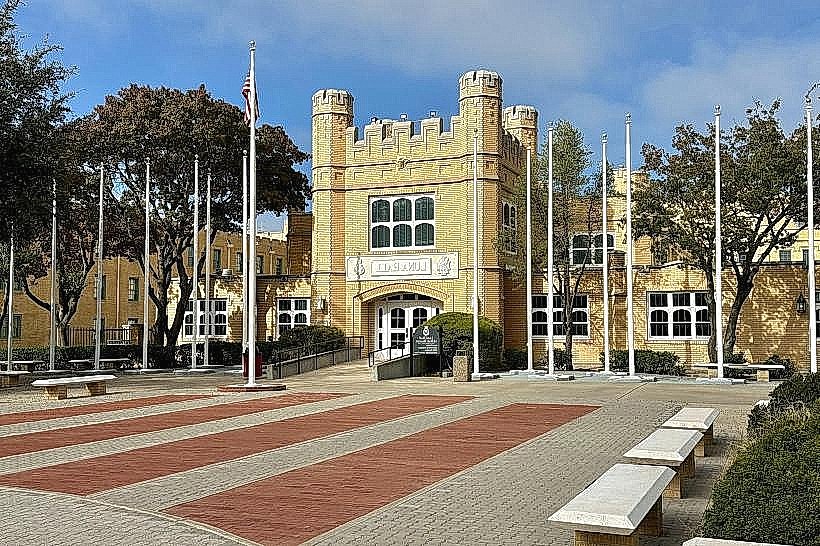
- New Mexico Military Institute (0.8km East)
- Roswell Museum and Art Center (1.2km East)
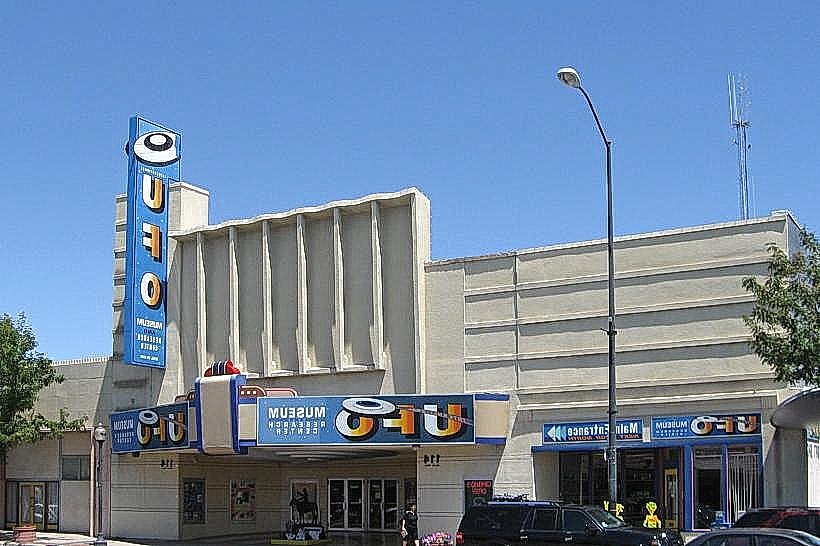
- International UFO Museum and Research Center (1.5km East)
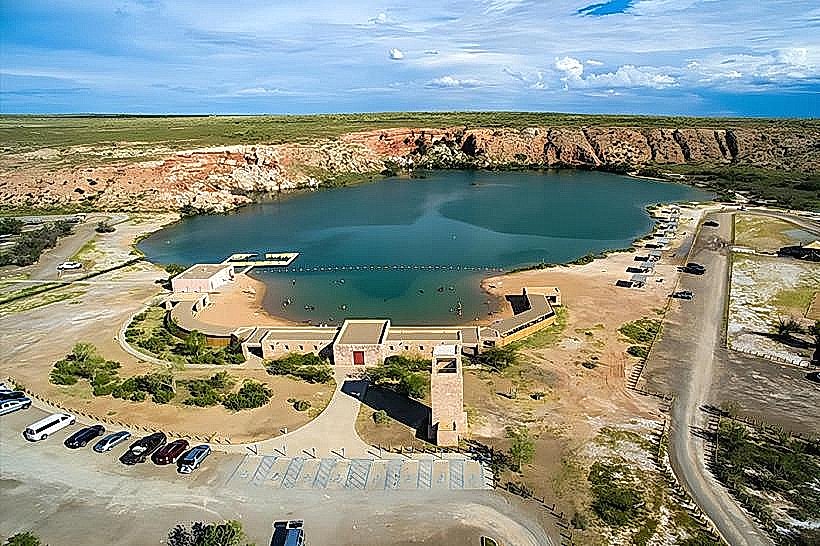
- Bottomless Lakes State Park (10km Southeast)