Information
Landmark: Rotermann QuarterCity: Tallinn
Country: Estonia
Continent: Europe
Rotermann Quarter, Tallinn, Estonia, Europe
The Rotermann Quarter is a redeveloped industrial area now serving as a commercial, residential, and cultural district. It is situated in central Tallinn, Estonia, between the historic Old Town and the Port of Tallinn.
Visual Characteristics
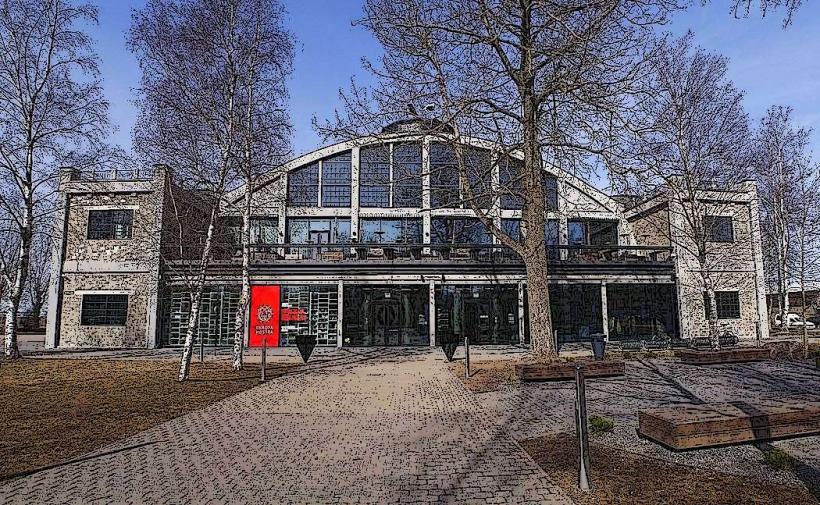
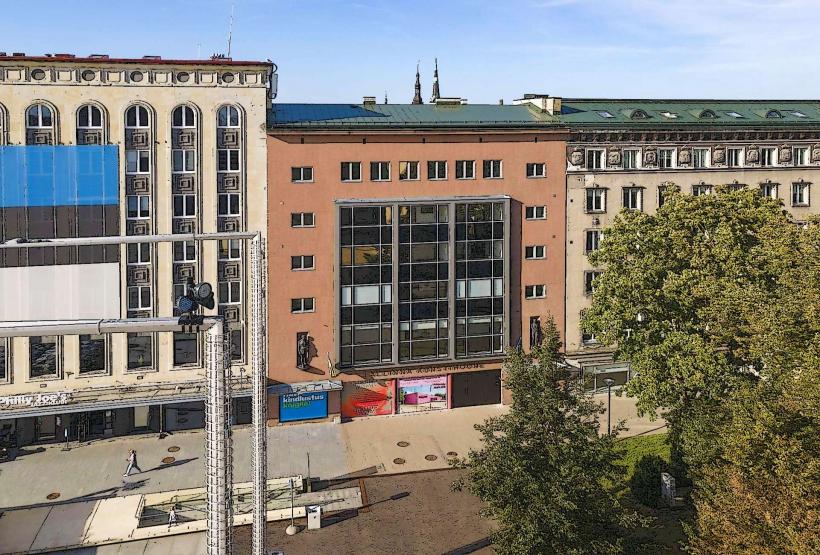
The quarter features a blend of renovated 19th and early 20th-century industrial buildings and contemporary structures. Dominant materials include red brick, grey concrete, glass, and steel. The color palette is primarily red-brown from the brickwork, contrasted with modern grey and reflective surfaces. Building heights vary, with original factory structures typically 3-5 stories and newer additions reaching up to 10 stories. The architectural style combines industrial heritage with modern minimalist design, characterized by exposed materials and geometric forms.
Location & Access Logistics
The Rotermann Quarter is located immediately east of Tallinn's Old Town, approximately 0.5km east of the Viru Gate. Access is primarily pedestrian within the quarter. For vehicular access, underground parking is available at the Rotermann Parking House, accessible from Ahtri Street. Public transport options include tram lines 1, 2, 3, and 4, which stop at Hobujaama, located 0.2km to the west. Numerous city bus lines also serve the Viru Keskus terminal, 0.4km to the west.
Historical & Ecological Origin
The Rotermann Quarter originated as an industrial complex established by Christian Abraham Rotermann, with initial developments dating back to the 1870s. The site housed various factories, including a timber mill, flour mill, bread factory, and machinery production facilities. The complex underwent significant redevelopment starting in the early 2000s, transforming it into its current mixed-use form. Key architects involved in the modern transformation include KOKO Architects and Alver Architects.
Key Highlights & Activities
Visitors can engage in dining at various restaurants and cafes, shopping at independent boutiques and design stores, and exploring the architectural blend of old and new. The Estonian Architecture Centre is located within the quarter, often hosting exhibitions. Events and cultural activities are regularly held in the public squares and renovated industrial spaces.
Infrastructure & Amenities
Public restrooms are available within the commercial buildings and restaurants throughout the quarter. Shade is provided by building overhangs and some covered walkways, with limited natural tree cover. Cell phone signal strength is consistently strong, with 4G and 5G coverage. Numerous food vendors, including restaurants, cafes, and bakeries, are present within the quarter.
Best Time to Visit
The Rotermann Quarter is accessible year-round. For optimal weather conditions, the months of May through September offer mild temperatures. Daytime is suitable for shopping and architectural observation, while evenings provide a different atmosphere for dining and social activities. The quarter is not subject to high or low tide requirements.
Facts & Legends
The Rotermann Salt Storage, completed in 1908, was one of the first buildings in Estonia constructed using reinforced concrete. A specific tip for visitors is to explore the network of pedestrian passages and courtyards between the main streets, which often reveal smaller shops, cafes, and unique architectural details.
Nearby Landmarks
- Tallinn Old Town: 0.1km West
- Port of Tallinn (Vanasadam): 0.5km North
- Viru Keskus: 0.4km West
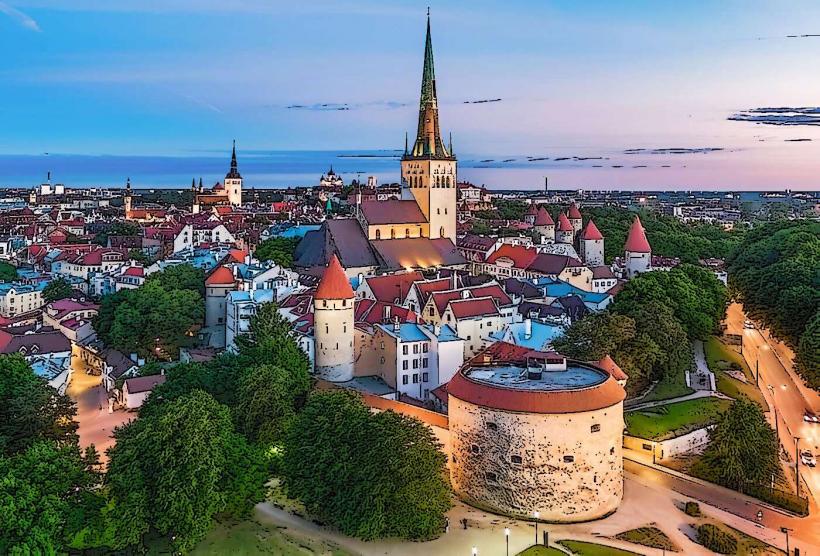
- Estonian Maritime Museum (Fat Margaret Tower): 0.8km Northwest
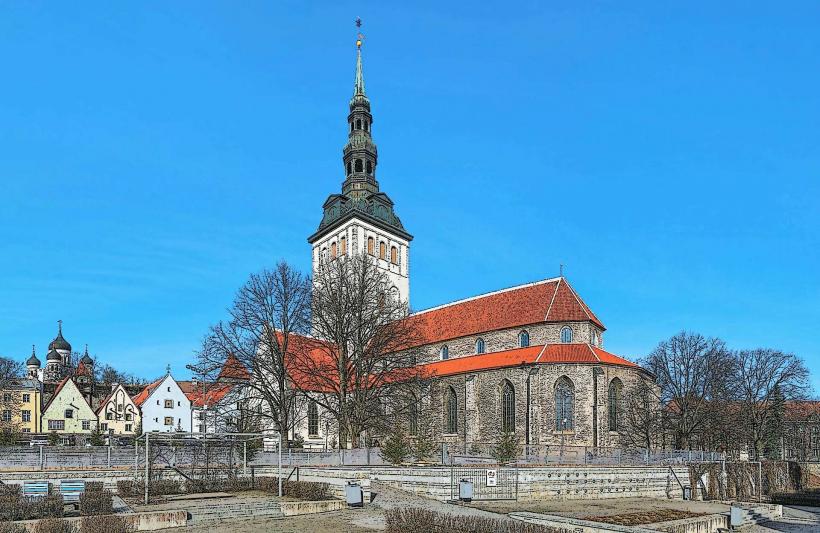
- St. Olav's Church: 0.9km Northwest